English
 عربى
عربى
 Español
 русский

News
Home / News / Industry News / What Is a Network Cabinet and Why Is It Essential for Modern IT Systems?
A Network Cabinet is essential for organizing, protecting, and optimizing network equipment. It improves airflow, enhances security, simplifies cable management, and increases operational efficiency. For data centers, server rooms, and enterprise networks, a properly selected network cabinet is not optional — it is a critical infrastructure component.
Content
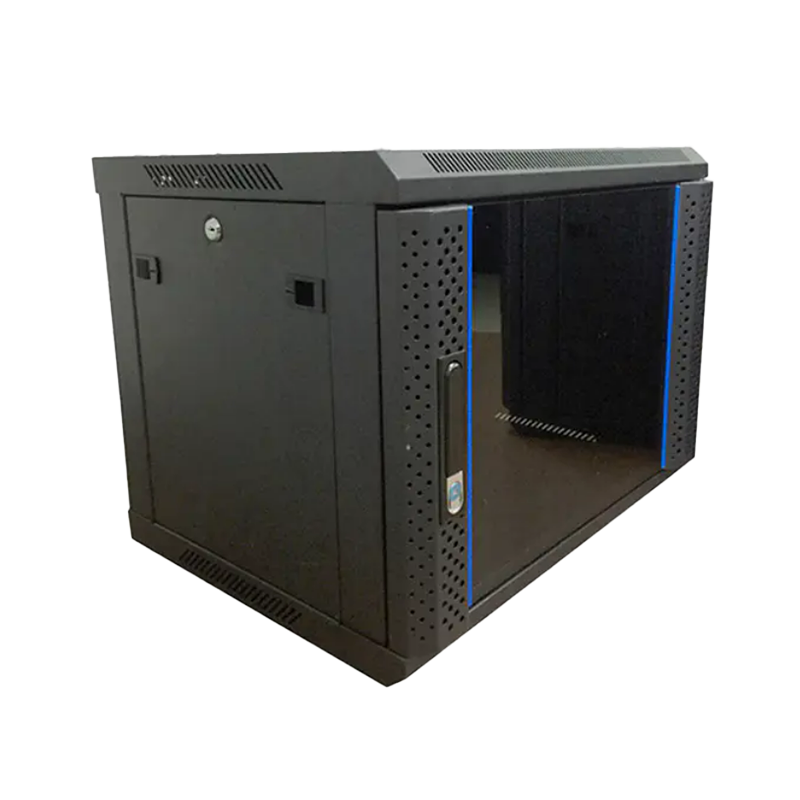
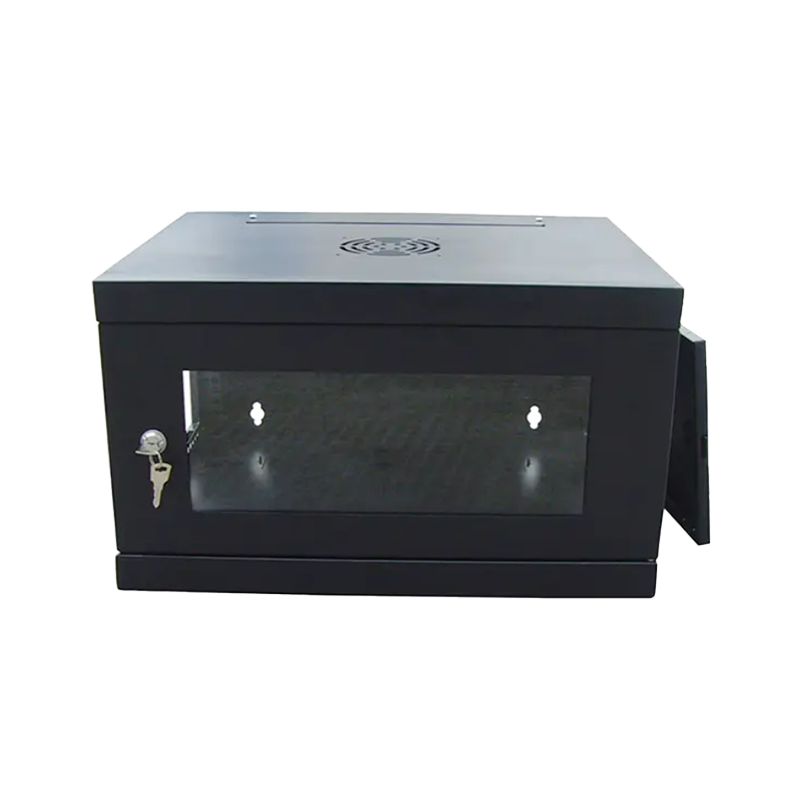
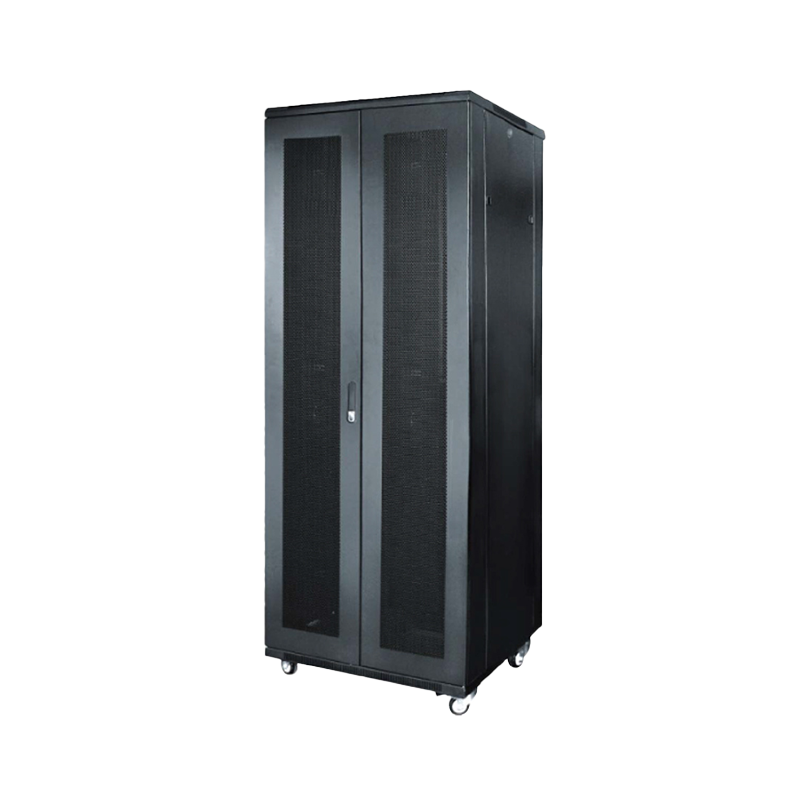
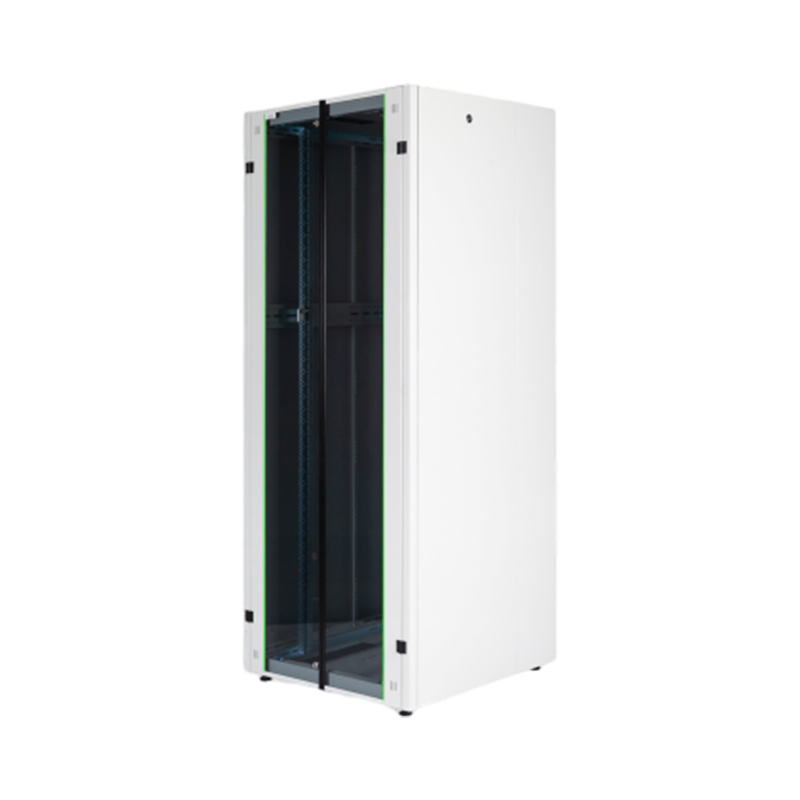
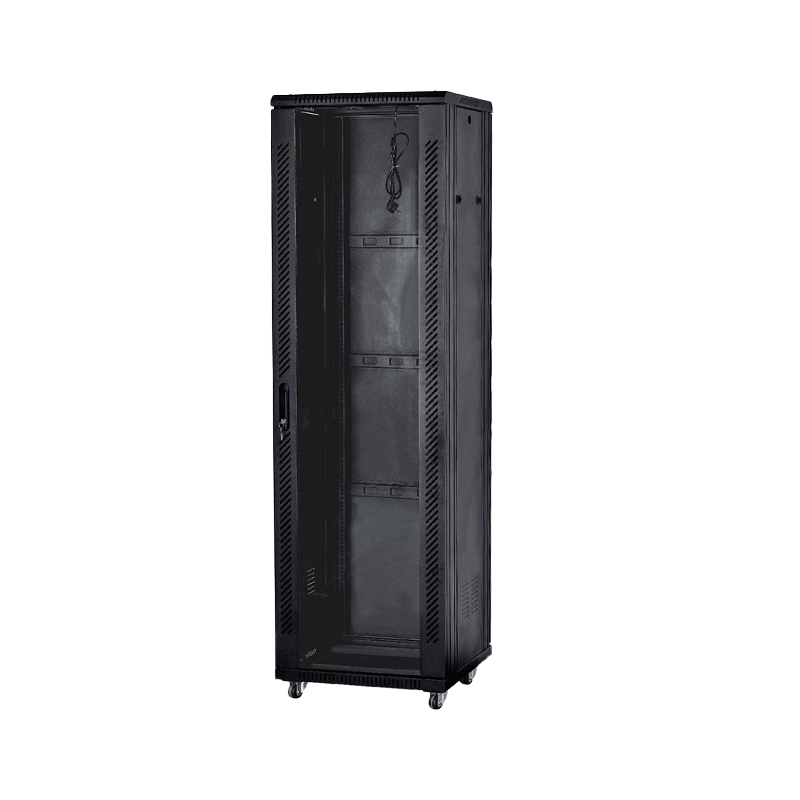
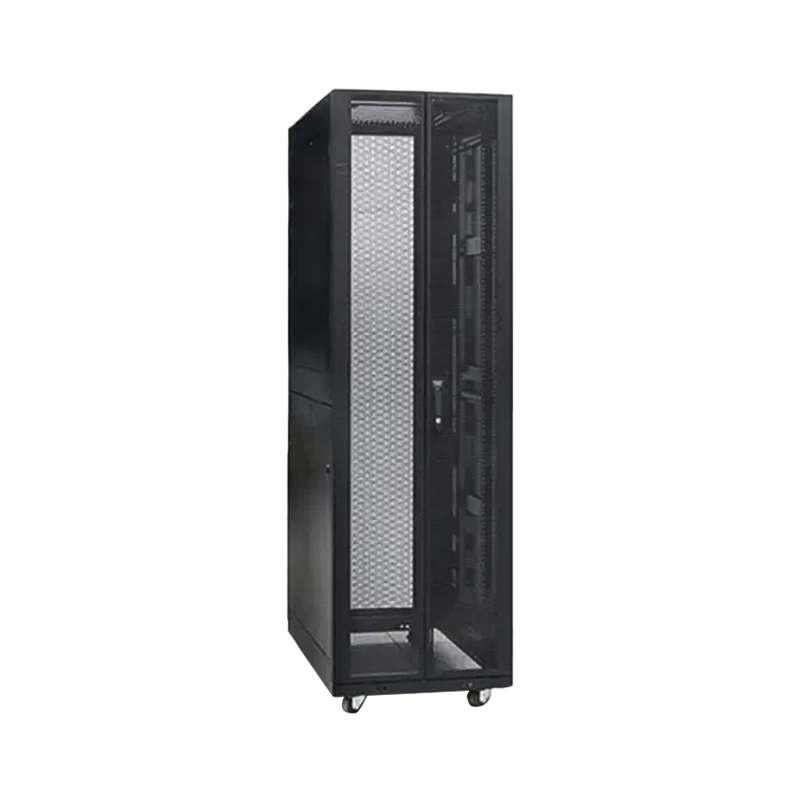
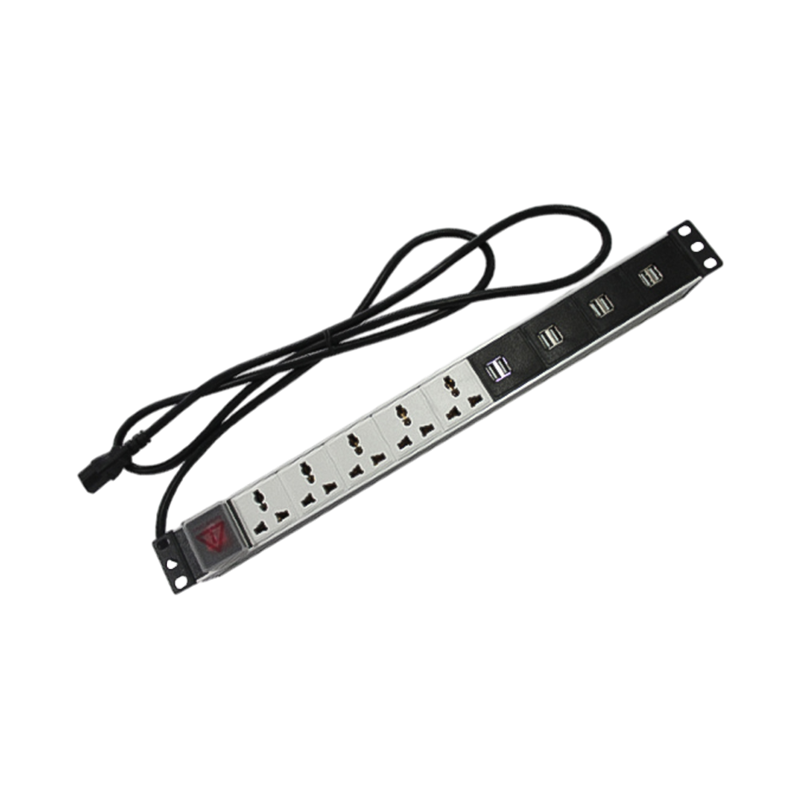
A Network Cabinet is a metal enclosure designed to house networking equipment such as switches, routers, patch panels, servers, and power distribution units. It follows standardized rack dimensions, most commonly 19-inch rack width, making it compatible with global IT equipment standards.
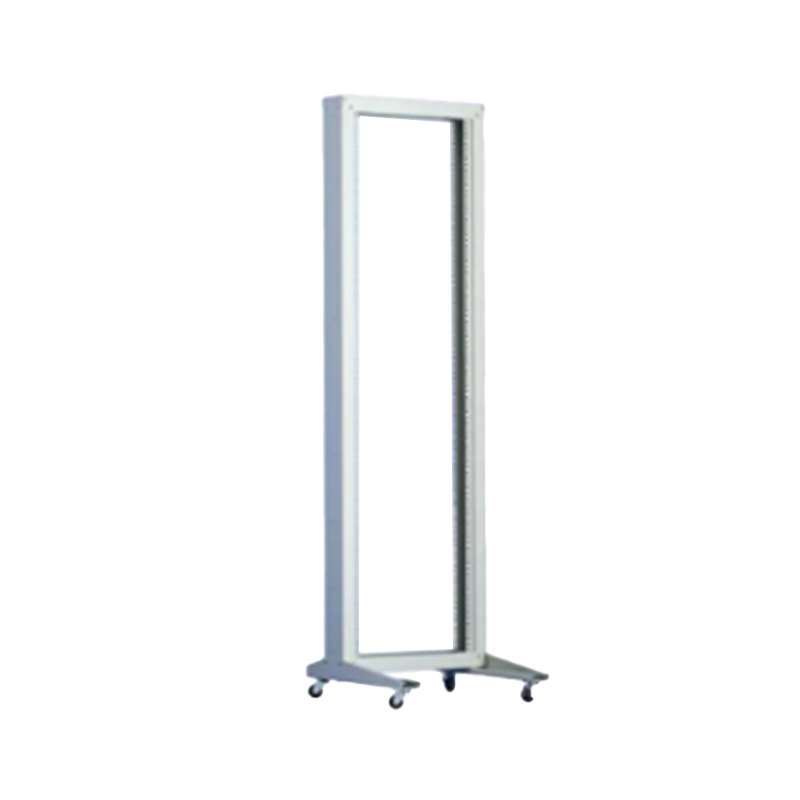
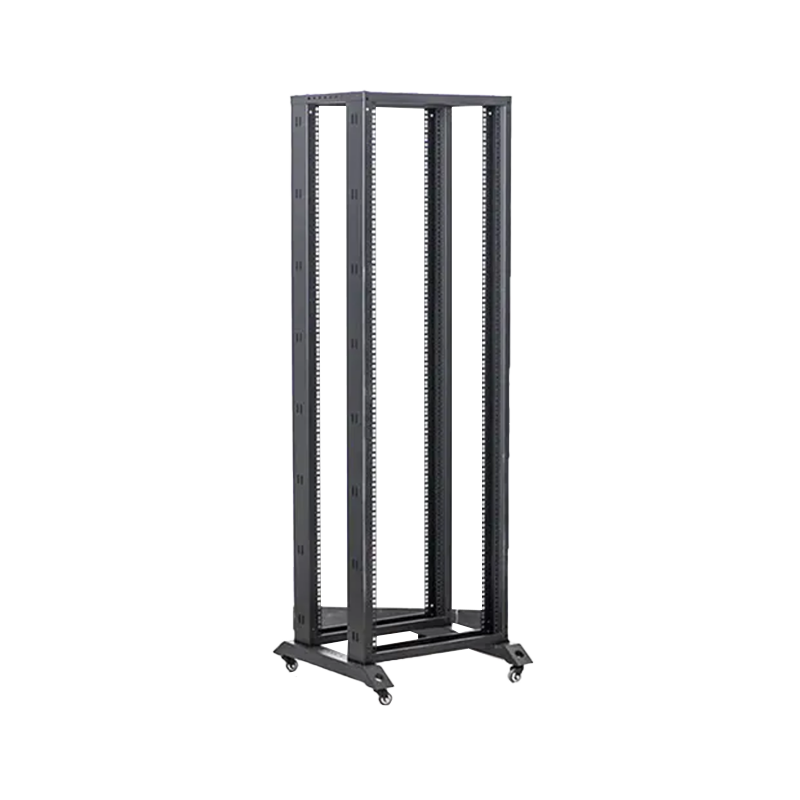
Compared with open racks, cabinets provide enclosed protection, controlled airflow, and enhanced physical security, making them suitable for both enterprise and industrial environments.
Using a Network Cabinet directly impacts system reliability and maintenance efficiency. Studies show that structured cabling and proper rack organization can reduce troubleshooting time by up to 40%.
Different environments require different cabinet designs. Choosing the right type improves system performance and safety.
| Cabinet Type | Main Feature | Typical Application |
|---|---|---|
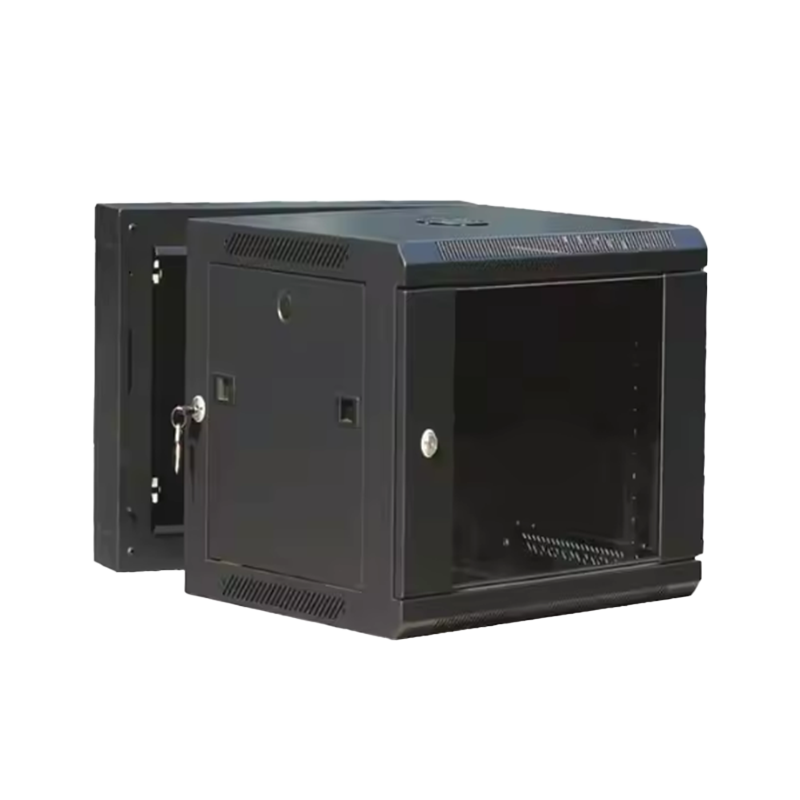
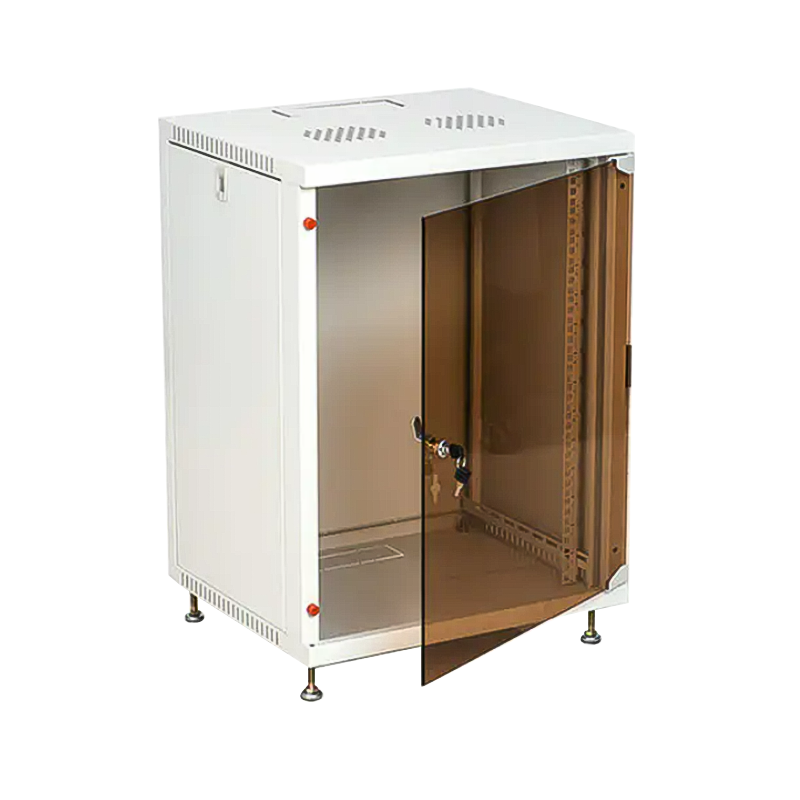
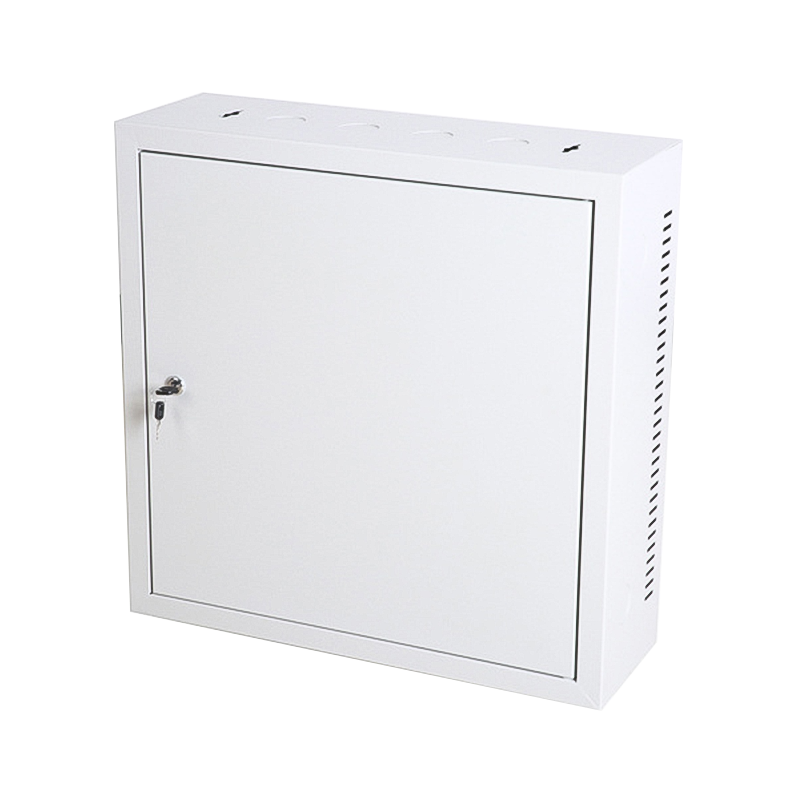
| Wall-Mounted Cabinet | Compact, space-saving | Small offices, retail stores |
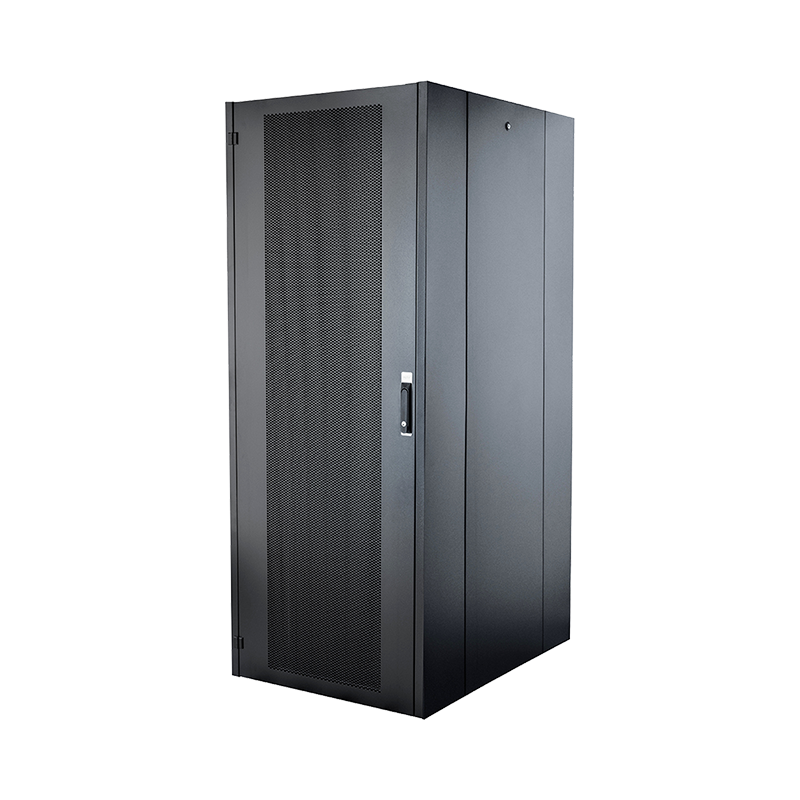
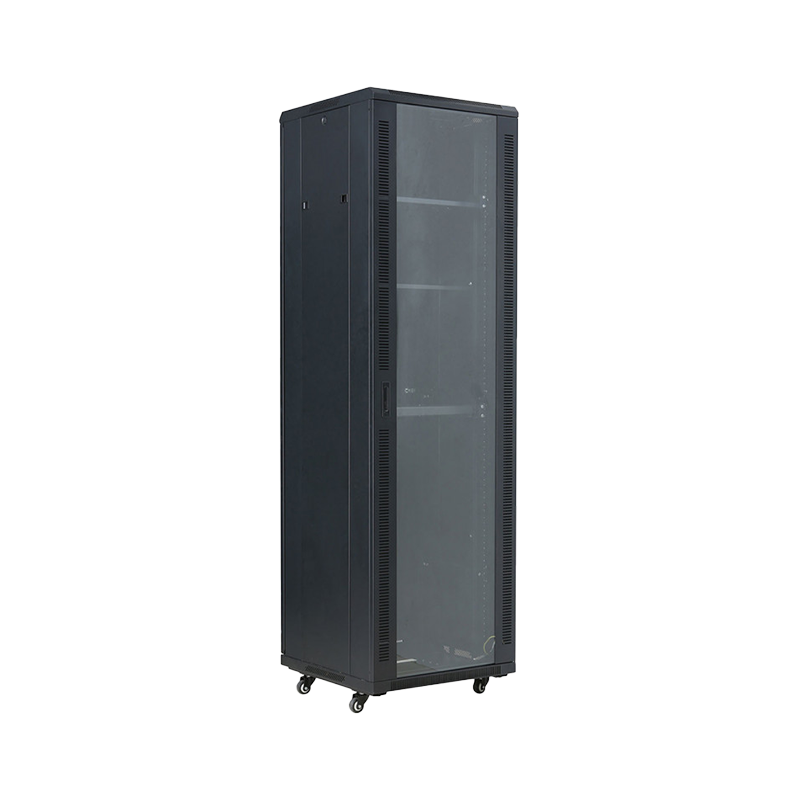
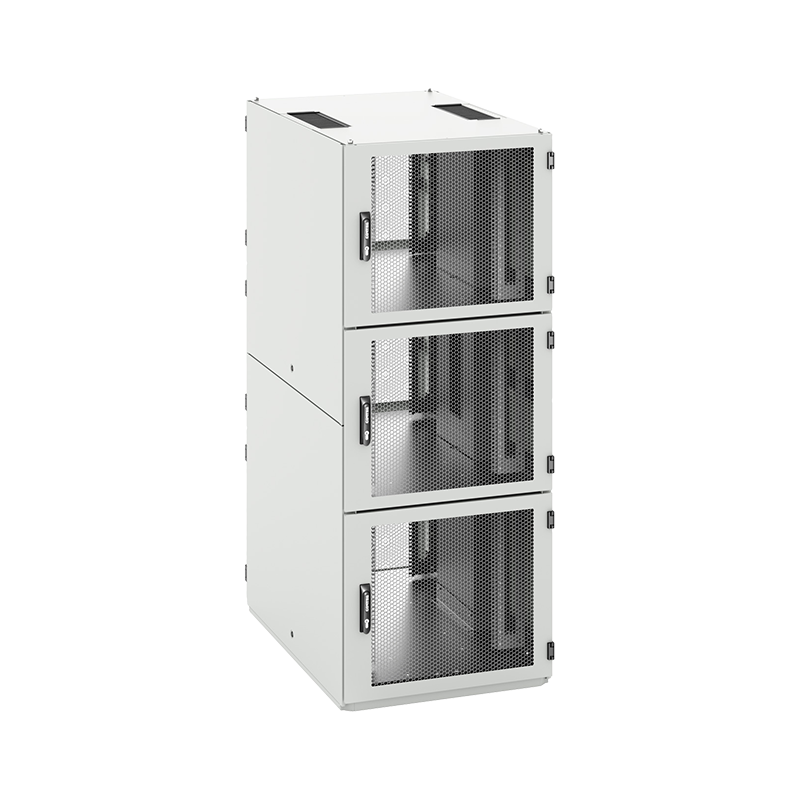
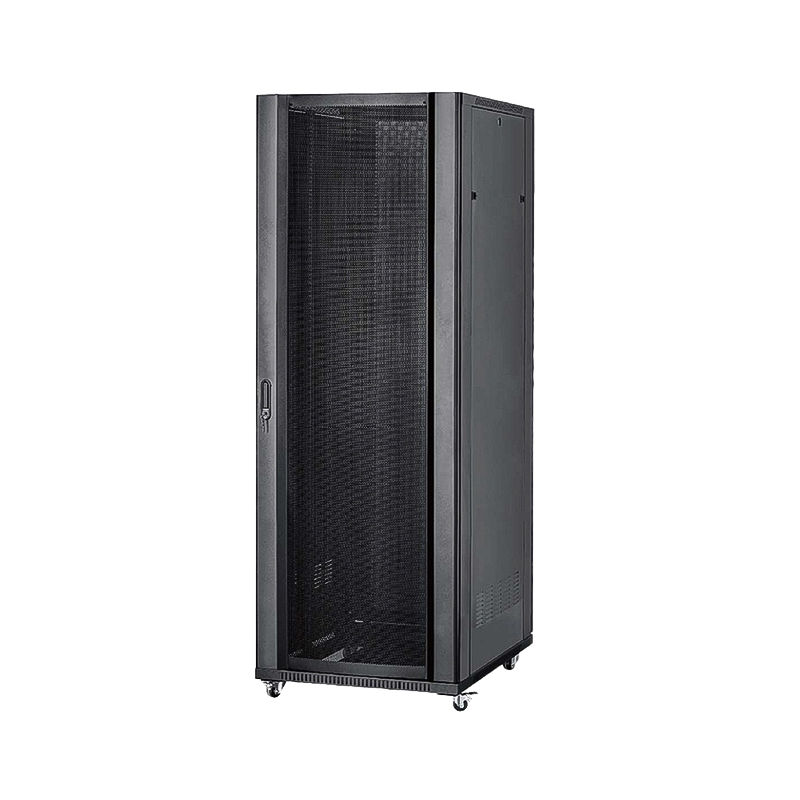
| Floor-Standing Cabinet | High capacity | Server rooms, data centers |
| Outdoor Cabinet | Weather-resistant | Telecom base stations |
Selecting the correct Network Cabinet requires matching physical specifications with operational needs.
Cabinet height is measured in rack units (U). One U equals 44.45 mm (1.75 inches). Common sizes include 12U, 24U, 42U, and 47U.
Servers often require cabinet depths of 800 mm to 1000 mm. Load capacity should exceed total equipment weight by at least 20% to ensure structural safety.
Look for perforated doors, fan mounts, and compatibility with active cooling systems to avoid overheating issues.
Network Cabinets are widely deployed across multiple industries due to their versatility and standardized design.
Yes. Network Cabinets provide better security, dust protection, and airflow control compared to open racks, especially in office and industrial environments.
It is recommended to reserve 20%–30% additional rack space to support future equipment upgrades.
For high-density deployments, active cooling such as fan trays or integrated cooling units is strongly recommended to maintain stable operating temperatures.
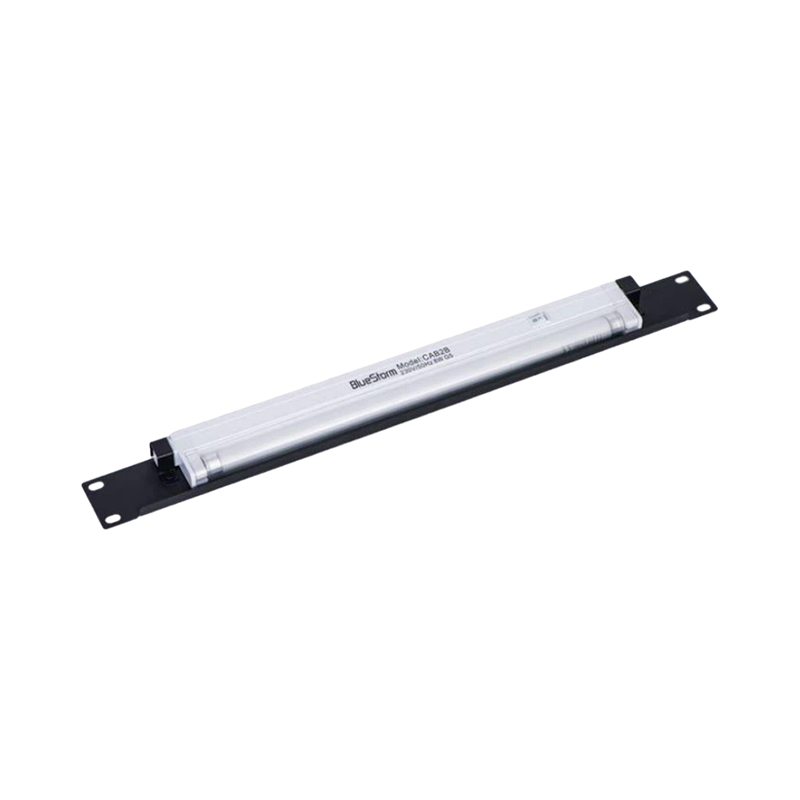

We are a company mainly engaged in the manufacturing of network cabinet , charging cart and other infrastructures.
Product Classification
Address
No.12 Fushan Road,Guanhaiwei Town,Cixi City,Ningbo,Zhejiang,China
PHONE
+86-17857397994