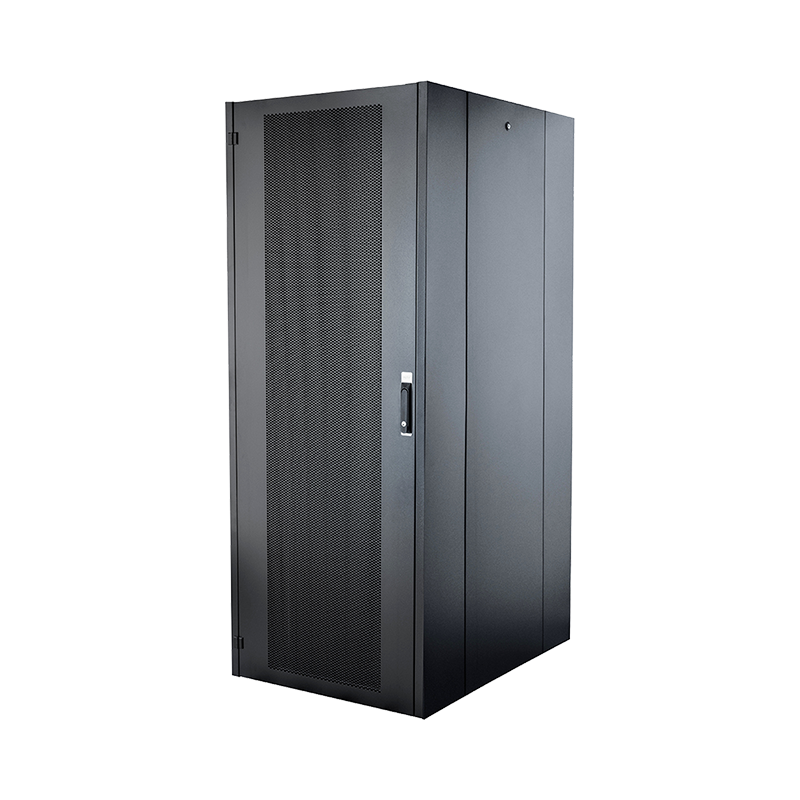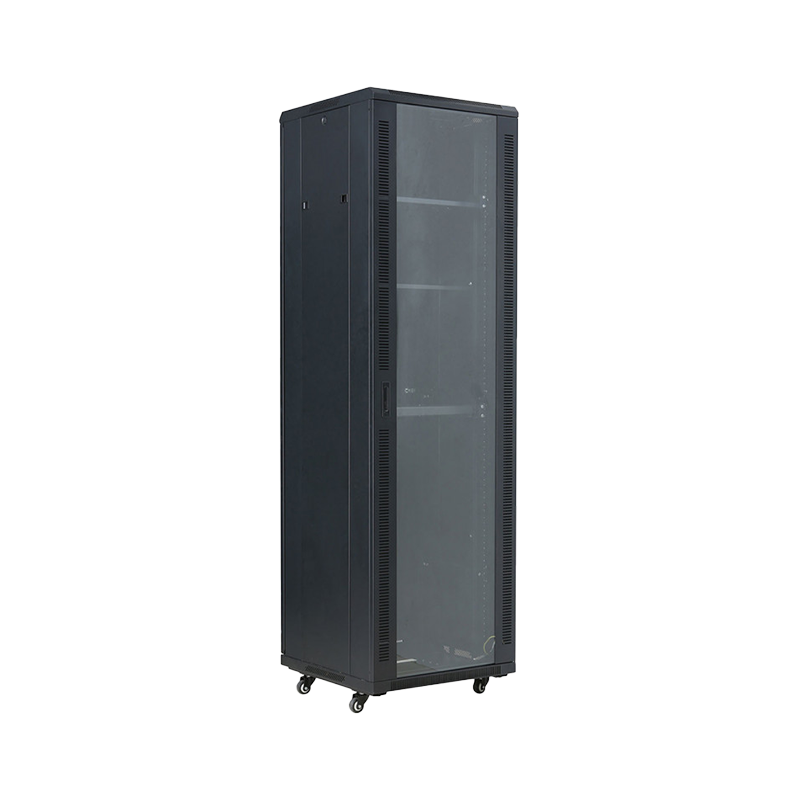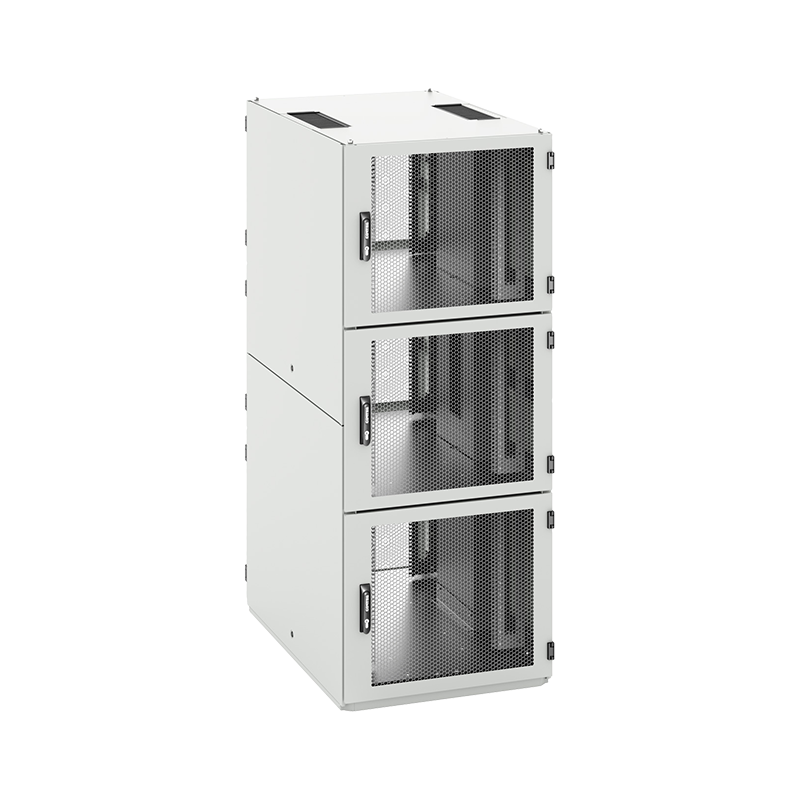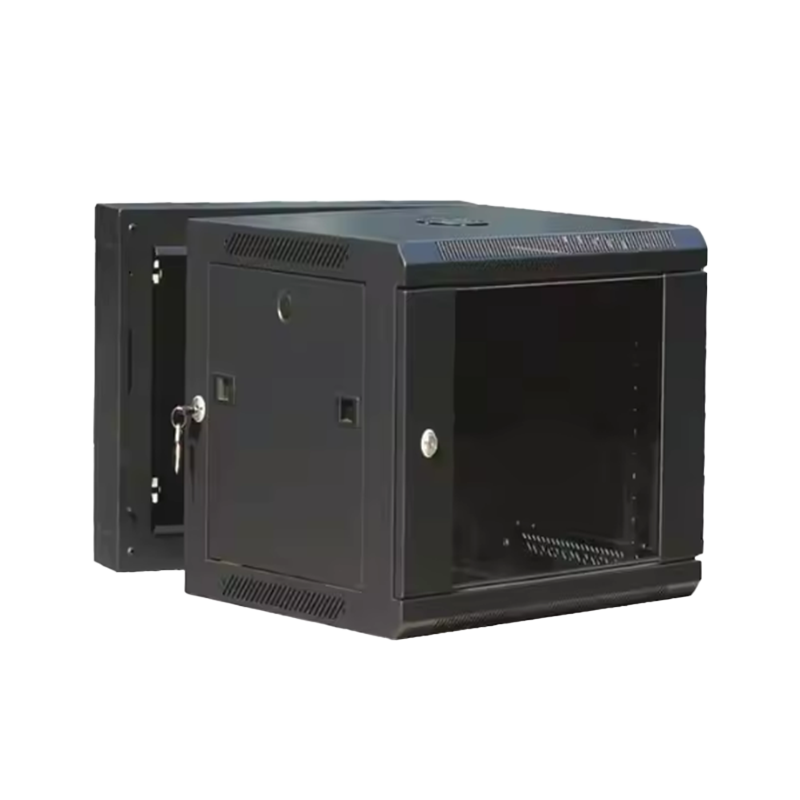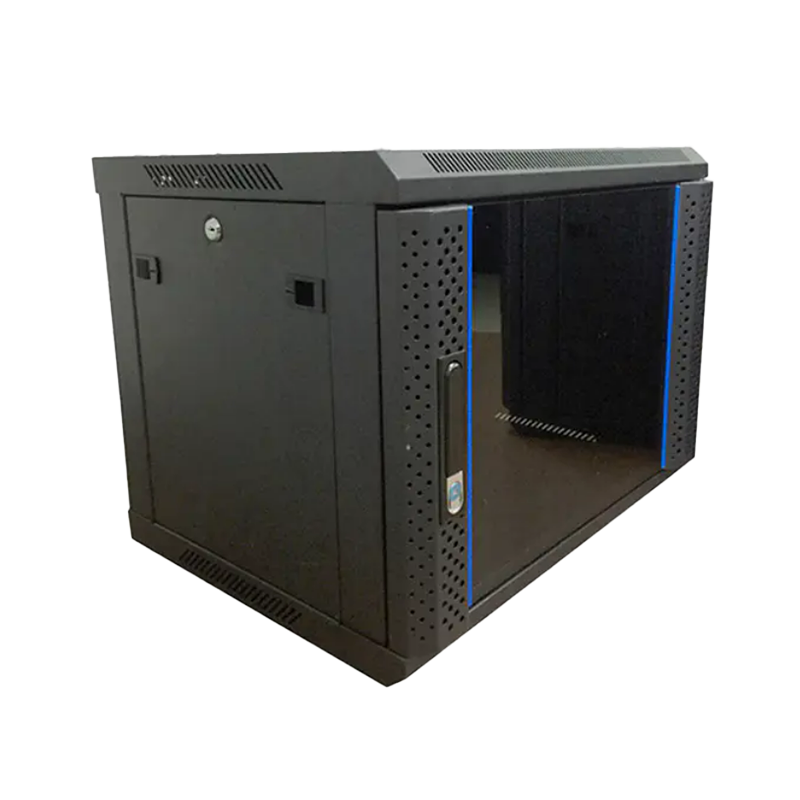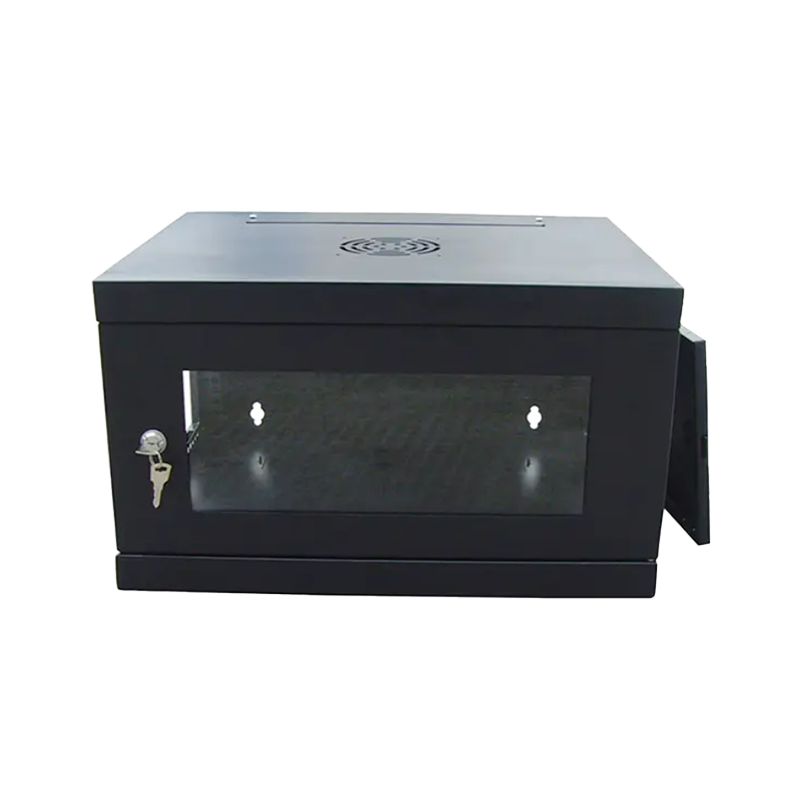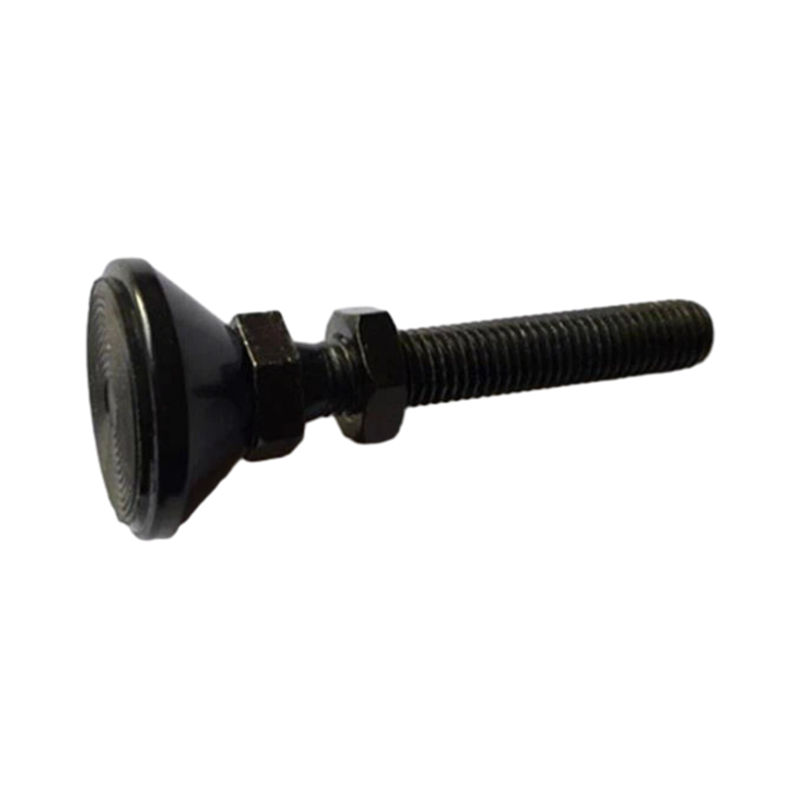
Usage: Network cabinet accessories
Certification: CE, RoHS, GS
Color:Ral7035,Ra19004,etc
Material: SPCC Cold Rolled Steel
Trademark: TNE, OEM, ODM
Specification: CE, RoHS
HSCode:8517709000
Installation:19" installation
Condition: New
Logo: Silk Print, Aluminum Sticker, Rubber Sticker
Shipping: Sea, Air, Train, Truck
Certificate: Ce.RoHS
Transport Package: Carton
Origin: Ningbo China
Application
Network cabinet, Server rack
Data center rack, Wall mounting cabinet with feet hole
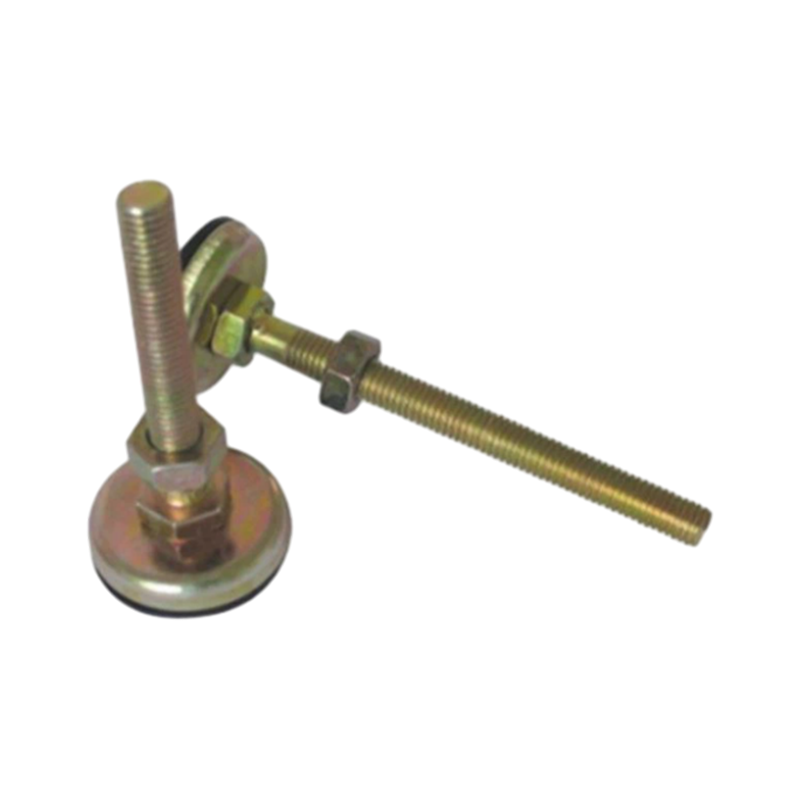
Keep the same level for network cabinet bottom wiring pathGood for airflowProtect floor
Avoid shaking

Spec sheets for network cabinets and electrical enclosures often list a NEMA rating such as "NEMA 4X" or "NEMA 12." These two letters and a number may look insignificant, but they can make the differ...
READ MOREAt 2 a.m., a branch office phone system goes down. The server room is locked, and the only fix is rebooting a switch that has stopped responding. With a switched PDU, that reboot takes less than a mi...
READ MOREEvery desk setup eventually ends up with the same problem: the power strip sliding around on the floor, several sockets blocked by adapter bricks, and a cable snagged by the first person who walks pa...
READ MOREInstallation of Adjustable feet for network cabinet rack:
Before installing the Adjustable feet for network cabinet rack, first make sure that you have purchased the adjustable feet that match the cabinet model, prepare the required installation tools, such as screwdrivers, wrenches, etc., and check whether there are holes or threaded holes reserved for installing the adjustable feet at the bottom of the cabinet. Before installation, it is recommended to lay the cabinet down first to make it easier to access the bottom and install the feet. If the cabinet is originally equipped with casters or other fixings, you need to remove them first. For brands such as Totem cabinets, it is usually necessary to unscrew the plastic plug at the bottom of the cabinet before installing the adjustable feet.
Align the adjustable feet with the mounting holes or threaded holes at the bottom of the cabinet. Tighten the fixing screws of the feet with a screwdriver or wrench to ensure that the feet are firmly installed at the bottom of the cabinet. Adjust the height of the feet as needed to ensure that the cabinet reaches the desired height and stability.
After all the feet are installed, lift the cabinet and place it in the predetermined position. Use a level to check whether the cabinet is level. If necessary, adjust the height of the feet again to achieve a level state. Check that the foot pads are securely installed and not loose or wobbly.

We are a company mainly engaged in the manufacturing of network cabinet , charging cart and other infrastructures.
Product Classification
Address
No.12 Fushan Road,Guanhaiwei Town,Cixi City,Ningbo,Zhejiang,China
PHONE
+86-17857397994

 English
 عربى
عربى
 Español
 русский