English
 عربى
 Español
 русский

News
Home / News / Industry News / NEMA Ratings Chart Explained: Enclosure Types 1-13, IP Equivalents, Buying Tips
A 24-port switch sitting inside a wall-mounted box in an outdoor utility room made it through three rainy seasons. In the fourth, water ran down the conduit, pooled at the bottom of the enclosure and killed the mainboard. The box carried an outdoor label, and the label was not technically wrong. What went wrong was that the stated protection never matched the actual threats at that location: driven rain, wind-blown dust, and chlorine vapour drifting across from a nearby pool plant.
That is how a NEMA ratings chart should be used. Identify the threats first, then find the type that explicitly names them. The numbers are not a ladder, and they do not rank quality. A Type 4 enclosure is not a "better" Type 3R; it defends against a different set of conditions. Read protection first, number second.
Content
NEMA 250 defines enclosure types by what they keep out, not by how strong they are. That single fact explains why Type 4 and Type 12 sit side by side instead of one above the other. Type 1 is a basic indoor box. Type 3R shrugs off rain and ice but ignores dust. Type 4X survives a hose-down and a salt-laden coastal atmosphere but is not built to sit underwater. Type 6P is, but it carries no corrosion requirement at all.
| NEMA Type | Indoor / Outdoor | Primary protection | Closest IP |
|---|---|---|---|
| 1 | Indoor | Falling dirt, contact with live parts, light dripping | IP10 |
| 2 | Indoor | Dripping water and light splashing water | IP11 |
| 3 | Indoor or outdoor | Wind-blown dust, rain, sleet, snow, hail damage | IP54 |
| 3R | Indoor or outdoor | Rain, sleet, snow, and ice forming on the outside | IP14 |
| 3S | Indoor or outdoor | As Type 3, and external mechanisms stay operable under ice | IP54 |
| 4 | Indoor or outdoor | Wind-blown dust, rain, snow, splashing water, hose-directed water | IP66 |
| 4X | Indoor or outdoor | As Type 4, plus resistance to corrosion | IP66 |
| 5 | Indoor | Falling dust, settling dust, lint, fibres, flyings, dripping water | IP52 |
| 6 | Indoor or outdoor | Hose-directed water and occasional temporary submersion | IP67 |
| 6P | Indoor or outdoor | Prolonged submersion in water | IP67 |
| 12 | Indoor | Falling dust, circulating air, lint, fibres, dripping and light splashing | IP52 |
| 12K | Indoor | Same protection as Type 12, but knockouts are permitted | IP52 |
| 13 | Indoor | As Type 12, plus oil and coolant splashing | IP54 |
Pay attention to the Type 12 and 12K pair, because it is the one buyers most often get wrong. Their environmental protection is identical. The only difference is that 12K allows knockouts, the pre-scored holes you punch out on site for cable entry. The moment someone punches a knockout into a Type 12 enclosure, they own a 12K in practice, not a 12. If the specification calls for a sealed, knockout-free indoor cabinet, a punched box is no longer compliant.
IP ratings come from IEC 60529 and use two digits. The first digit covers solids, the second covers liquids. That is the whole scope. IP answers "can dust and water get in?" and nothing more. NEMA 250 answers a wider set of questions that adds corrosion, ice formation, oil and coolant exposure, and mechanical operation after freezing.
NEMA 250 publishes closest-match tables, and they are widely quoted: Type 4 and 4X line up with IP66, Type 6 and 6P with IP67, Type 3, 3S and 13 with IP54, Type 3R with IP14, Type 5, 12 and 12K with IP52, Type 1 with IP10, and Type 2 with IP11. Treat those as a translation tool, never as an equal sign.
Two warnings matter for real procurement. First, an IP66 outdoor cabinet is not automatically corrosion resistant; the "X" in Type 4X is the corrosion requirement, and IP has no equivalent test. Second, an IP67 rating says nothing about whether the door still opens after a night of freezing rain, while Type 3S and Type 4 both cover that. If you want the full type list with photographs of each design, our NEMA enclosure types and ratings guide walks through it type by type.
Four questions resolve almost every enclosure selection. Work through them in order and the chart stops being a wall of numbers.
A rooftop, a roadside cabinet or a loading dock with no roof means rain, so start at Type 3R and move up. Add salt spray, chlorine, sewer gas or food-plant washdown and you need 4X, because the painted steel of a 3R or a 4 will start corroding within a season or two. Inland, under a canopy, with only dust and drips, Type 12 handles it at a lower cost.
High-pressure washing demands Type 4, 4X or 6P. A damp cloth and a vacuum demand nothing more than Type 12, which was designed around falling dust, lint and fibres rather than water. Buying a 4X for a dust-only warehouse is money spent on a property the site never needed.
Every knockout, louvre, filter and cable gland lowers the effective protection. This is where 12 and 12K diverge, and where an outdoor cabinet with a poorly sealed conduit entry fails regardless of what the nameplate says.
Type 3S, 4 and 4X all cover ice formation, and the "S" in 3S specifically means the external mechanism must remain operable when ice has built up on the enclosure.
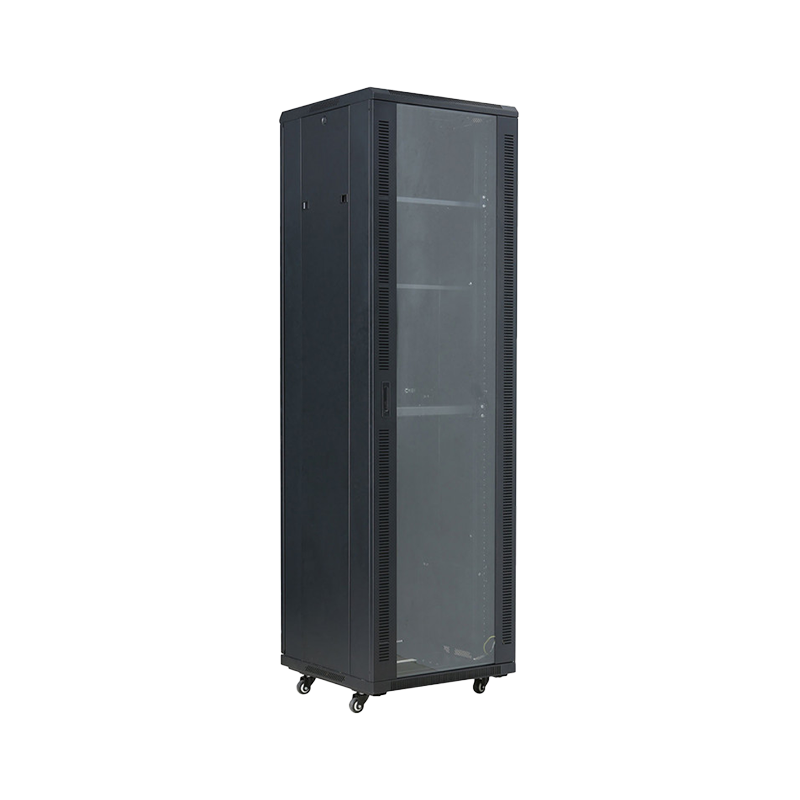
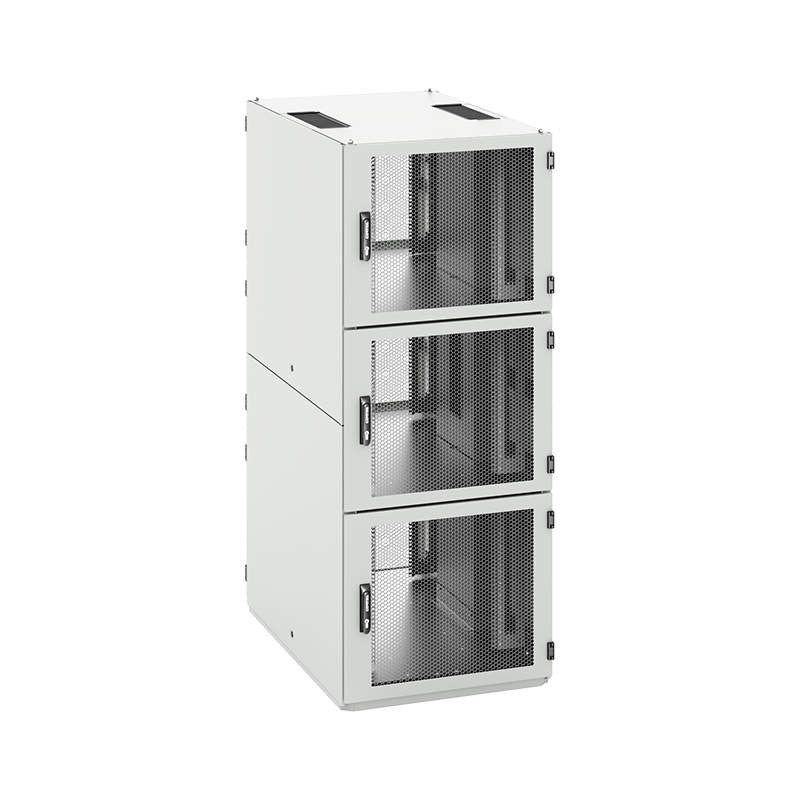
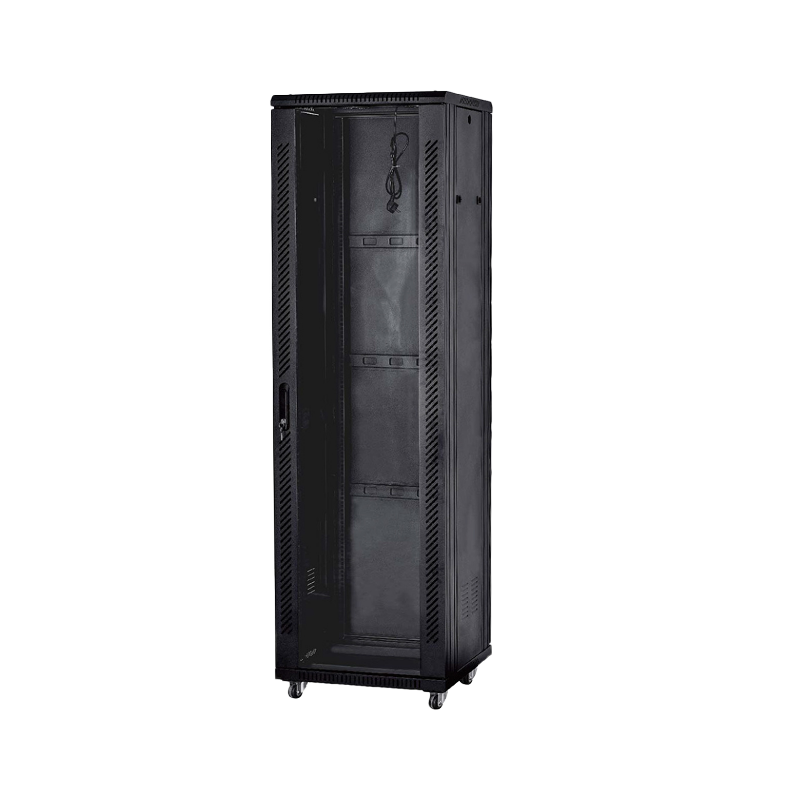
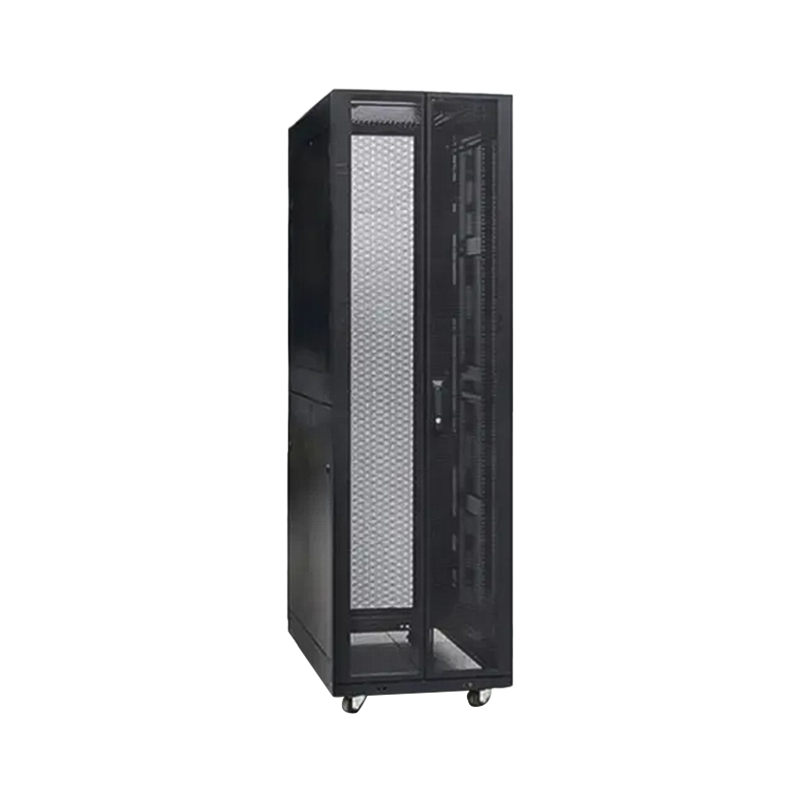
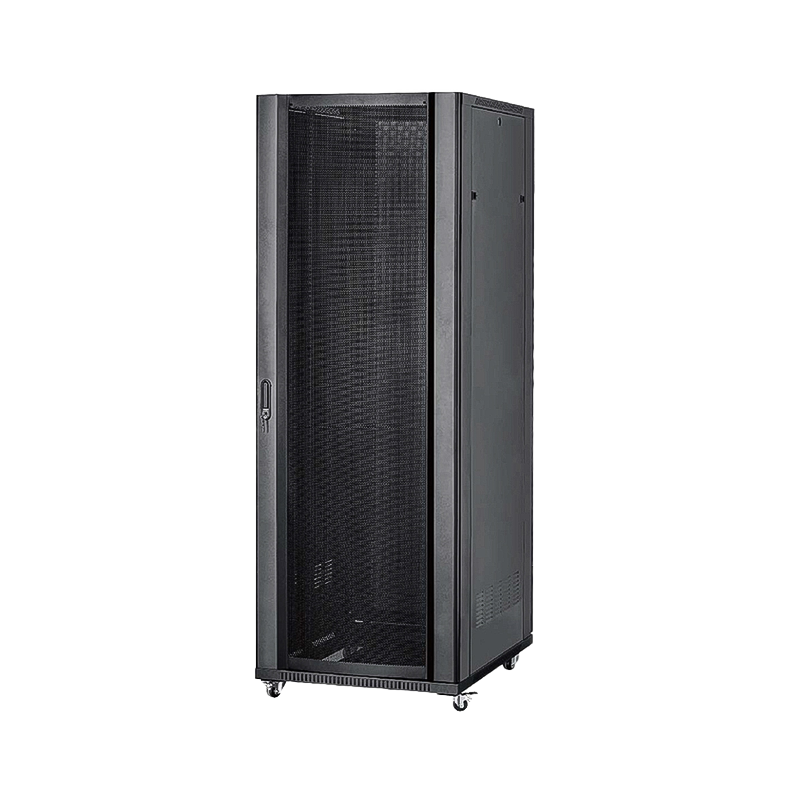
Network and server cabinets are not electrical control boxes, but the protection logic carries over almost unchanged. An indoor data room with conditioned air and filtered dust sits comfortably in Type 1 or Type 12 territory: closed steel, a lockable front door, brush panels and blanking plates to stop air bypass. A semi-exposed corridor or a covered walkway pushes you to Type 3R. Full outdoor placement demands 3R at minimum and 4X anywhere the air carries salt, chlorine or industrial pollutants.
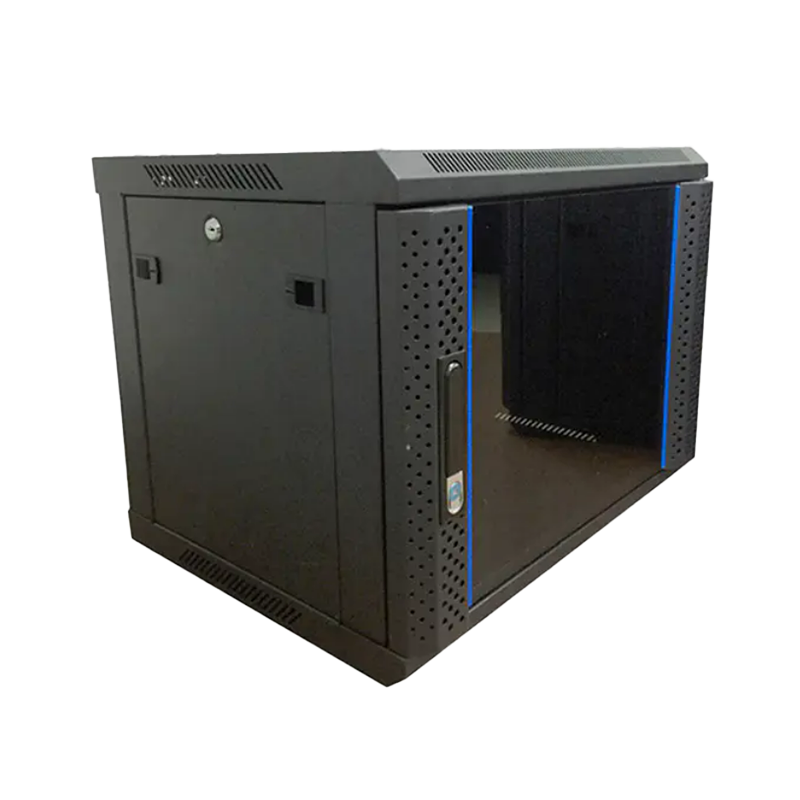
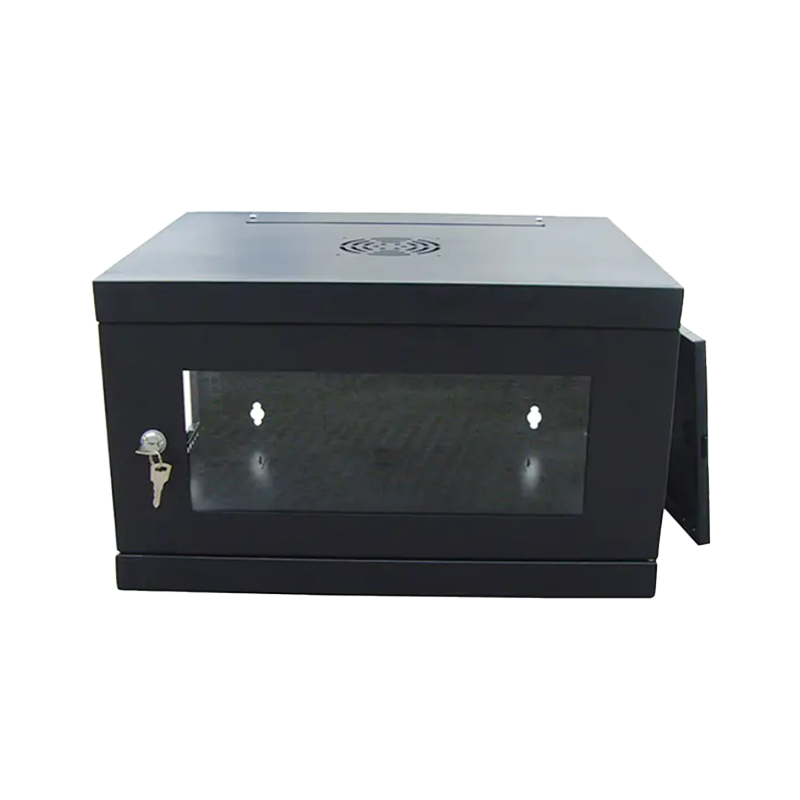
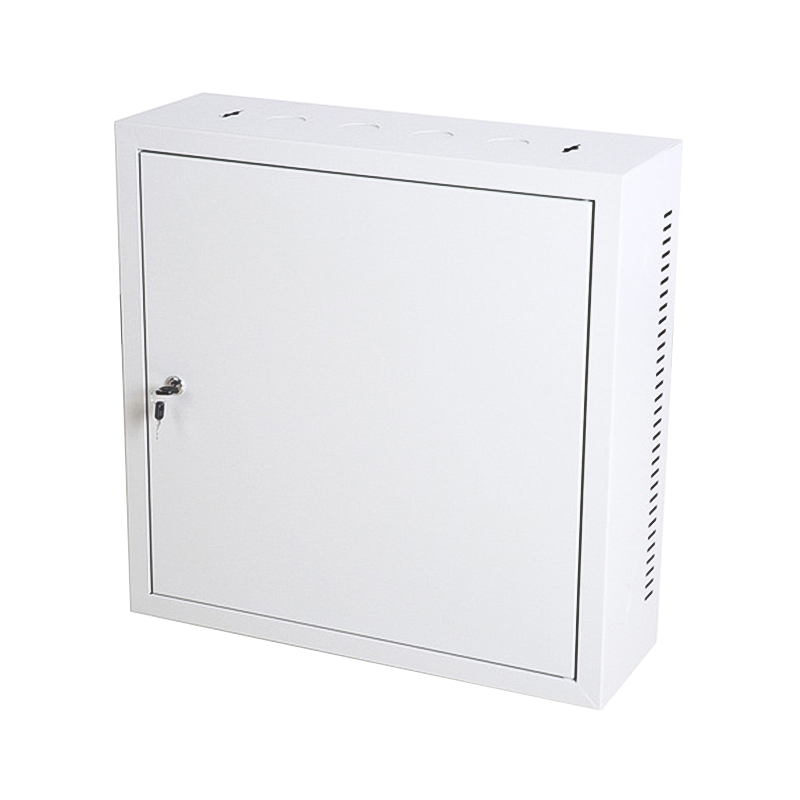
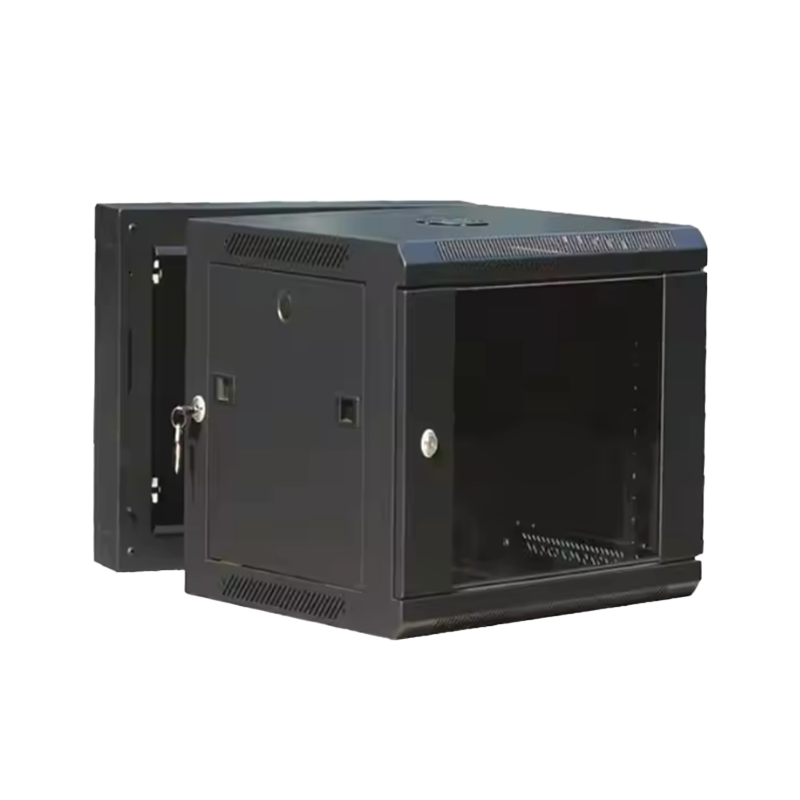 Wall Mount Network Cabinets for Space-Saving Network Equipment StorageCompare wall-mounted network cabinet models for compact offices and edge sites, including swing, single-section, tempered-glass, economy, and small stock enclosures.View Product →
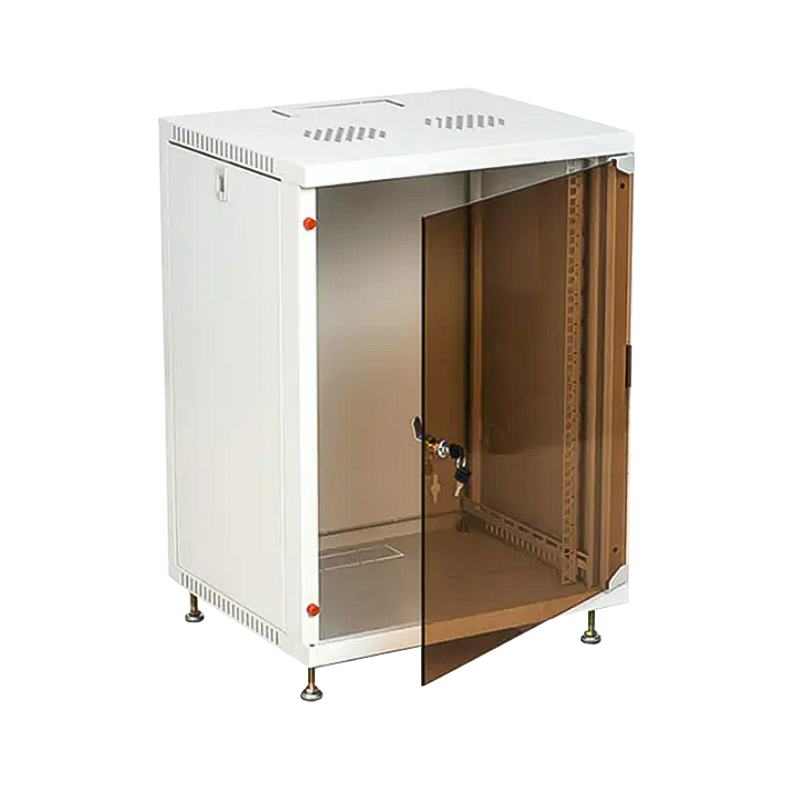
Cabinet geometry matters as much as the rating. A wall-mounted unit keeps floor space free and puts equipment above flood-prone ground level, which is why it dominates small offices and edge sites. Rack unit height, usable depth and door swing usually cause more installation problems than the protection class itself.
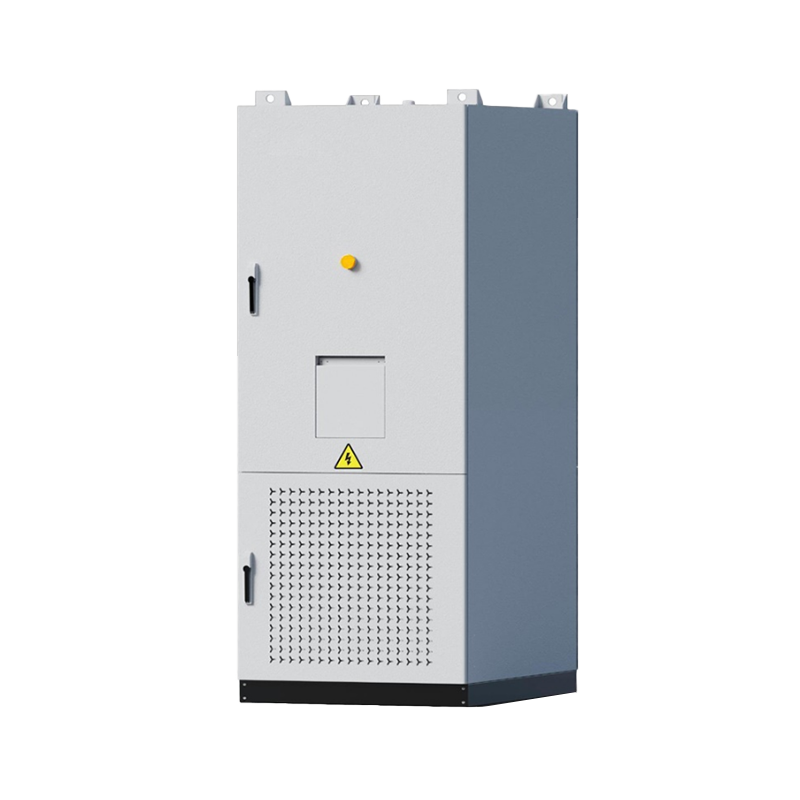 Outdoor Network Cabinets for Harsh Weather Equipment ProtectionExplore outdoor network cabinet options for exposed installations, including an all-in-one outdoor energy storage cabinet, with weather-resistant construction suited to harsh conditions.View Product →
Outdoor placement is where the rating chart earns its keep. Gasketed doors, a sloped or hooded top, filtered or louvred ventilation, and a bottom entry that keeps water from tracking along the cables — these design details decide whether a 3R or 4X label holds up after three winters. If you want more detail on how outdoor cabinets handle extreme weather, that topic is covered separately.
The same logic applies inside the cabinet. Power distribution hardware carries its own ingress and thermal requirements, and a high rating on the enclosure will not compensate for a power strip that was never intended for a sealed, heat-trapping box.
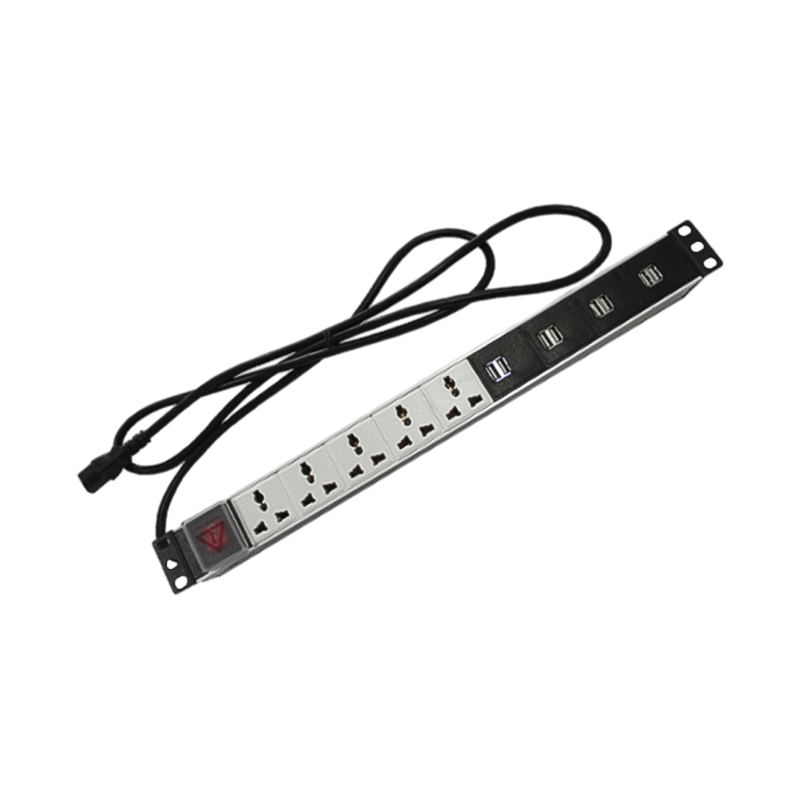 PDUS1. With flexible configuration options and scalable design, different types of sockets, power capacity and functional modules can be selected according to needs.View Product →
The water and dust protection is identical. 4X adds a corrosion-resistance requirement, which is why 4X enclosures are usually stainless steel or non-metallic. Coastal, chemical and food-processing sites need 4X; a dry inland plant can use 4.
It is, if the only threats are rain, sleet, snow and ice. It is not if the air carries salt, chlorine or industrial pollutants, because 3R carries no corrosion requirement. Move to 4X in those locations.
No. NEMA 250 matches Type 4 and 4X to IP66, not IP65, and even that is a closest match. IP tests only solid and liquid ingress, while NEMA additionally covers corrosion, ice formation and oil exposure.
The environmental protection is the same. Type 12K permits knockouts on the enclosure; Type 12 does not. A punched Type 12 performs as a 12K for practical purposes.
Yes. Type 6P is defined for prolonged submersion. Type 6 only covers occasional temporary submersion, so pits, vaults and flood-prone basements should specify 6P.
An air-conditioned data room needs Type 1 or 12. A covered outdoor corridor needs 3R. Full exposure to weather, or any site with corrosives in the air, needs 4X. Choose by threat, not by the highest number available.
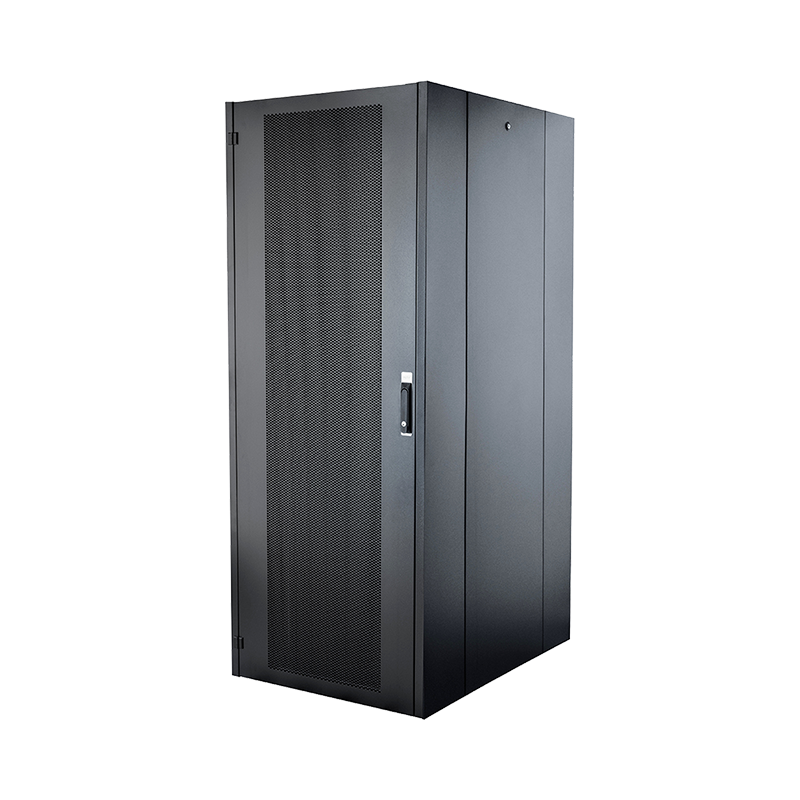



We are a company mainly engaged in the manufacturing of network cabinet , charging cart and other infrastructures.
Product Classification
Address
No.12 Fushan Road,Guanhaiwei Town,Cixi City,Ningbo,Zhejiang,China
PHONE
+86-17857397994