English
 عربى
عربى
 Español
 русский

News
Home / News / Industry News / What Is a NEMA Enclosure? Complete Guide to Types, Ratings, and Selection
Spec sheets for network cabinets and electrical enclosures often list a NEMA rating such as "NEMA 4X" or "NEMA 12." These two letters and a number may look insignificant, but they can make the difference between equipment that runs for 15 years on a coastal rooftop and a cabinet that corrodes within 18 months. If you have ever paused at those letters and wondered what they actually promise, here is the short version: a NEMA rating tells you exactly what environmental conditions an enclosure has been tested to withstand.
Content
A NEMA enclosure is a protective housing for electrical or electronic equipment that meets protection standards defined by the National Electrical Manufacturers Association (NEMA). In practical terms, it is a box engineered to keep dust, water, oil, and corrosive elements away from sensitive components inside.
NEMA, a US-based trade association, publishes the NEMA 250 standard, which defines the environmental protection levels of enclosures. This standard has been the reference for specifiers and engineers across North America and many international markets for decades. When a cabinet carries a NEMA type designation such as Type 3R or Type 4X, that enclosure has passed specific tests for dust ingress, water exposure, corrosion resistance, and more. The same principles apply to the enclosures we build — browse our network cabinet collection to see how these ratings translate into real products.
NEMA enclosure ratings are grouped into types, and each type combines different protection capabilities. The type numbers follow a logical progression: as you move up the scale, the enclosure typically adds more protection against specific environmental hazards. Keep in mind that the hierarchy is not perfectly linear. Type 4, for instance, is a step up from Type 3R in water resistance, but Type 12 offers different protection than Type 4 even though the number is higher. Understanding your actual environment is more useful than memorizing the type numbers.
| NEMA Type | Environment | Dust Protection | Water Protection | Typical Application |
|---|---|---|---|---|
| Type 1 | Indoor | Limited | None | Server rooms, clean offices |
| Type 2 | Indoor | Limited | Dripping water | Electrical rooms with condensation |
| Type 3R | Outdoor | Moderate | Rain, ice | Outdoor network cabinets, telecom sites |
| Type 4 | Indoor/Outdoor | Dust-tight | Windblown rain | Marine, washdown environments |
| Type 4X | Indoor/Outdoor | Dust-tight | Windblown rain | Chemical plants, coastal sites |
| Type 12 | Indoor | Dust-tight | Dripping water | Factory floors, industrial facilities |
| Type 13 | Indoor | Dust-tight | Oil, coolant | Machine shops, CNC areas |
For network cabinets and server racks, the right NEMA rating depends entirely on the installation environment. Here is how the most common types map to real networking scenarios.
Most typical server rooms and office wiring closets use Type 1 enclosures. These keep out incidental contact and basic dirt but offer no water or oil protection. When the space includes dust, moisture, or oil exposure — such as a textile factory or a machine shop — Type 12 becomes the safer bet. Type 12 enclosures are dust-tight and protect against dripping liquids, making them the default choice for industrial networking environments.
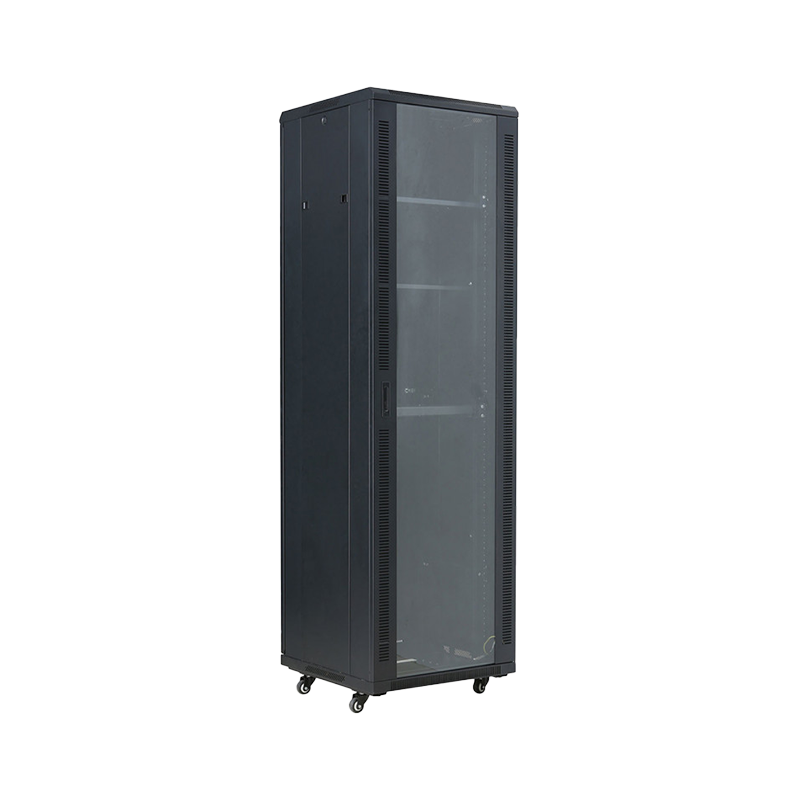
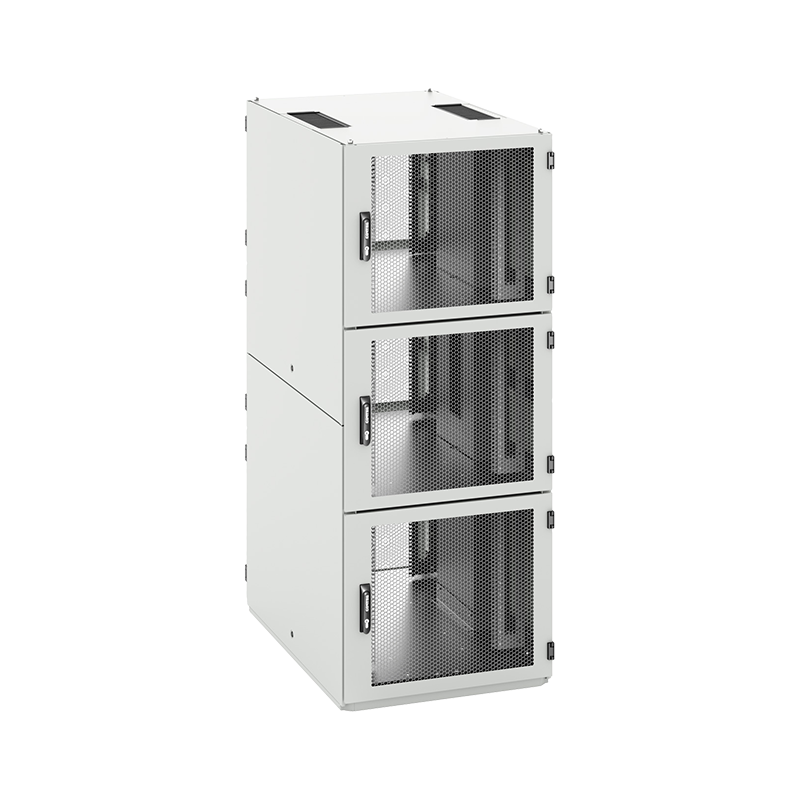
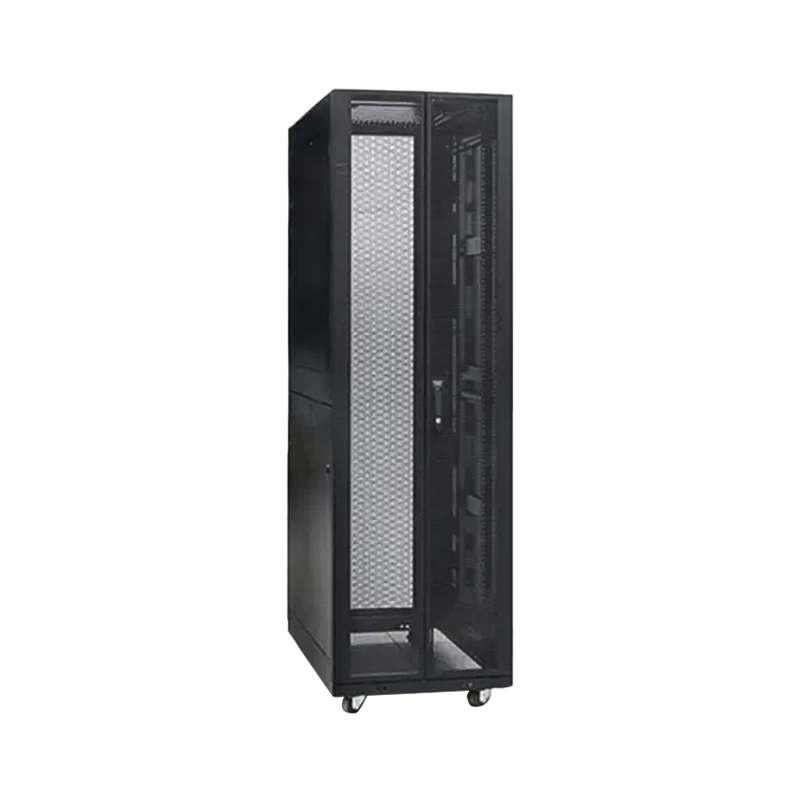
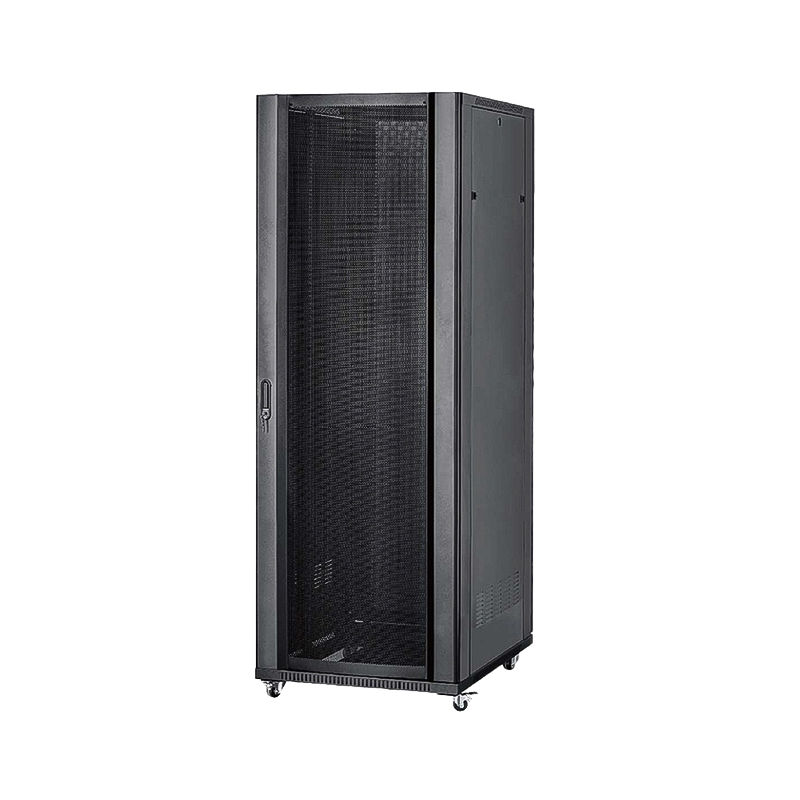
For a versatile indoor solution, a free-standing network cabinet with perforated doors can provide adequate airflow while maintaining dust protection.
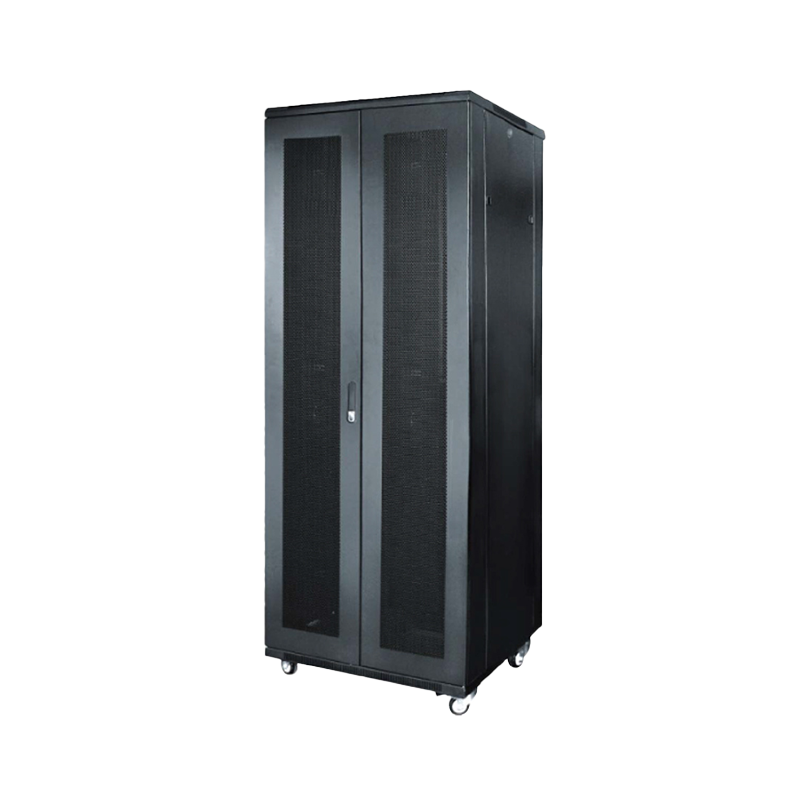 Free-Standing Network Cabinet with Perforated Doors for Indoor UseThis free-standing cabinet offers robust SPCC steel construction, dual ventilation, and modular options, making it a versatile choice for indoor server rooms where airflow and organized cable management are priorities.View Product →
Outdoor sites face rain, snow, ice, and direct sun exposure. Type 3R is the most common entry point for outdoor network cabinets — it protects against rain and ice accumulation from above without needing a fully sealed door. For more demanding places, such as coastal areas with salt spray or industrial zones with airborne chemicals, Type 4X provides corrosion-resistant protection that extends service life significantly.
Outdoor network cabinets are engineered to carry these ratings while keeping internal equipment cool through vented or louvered designs.
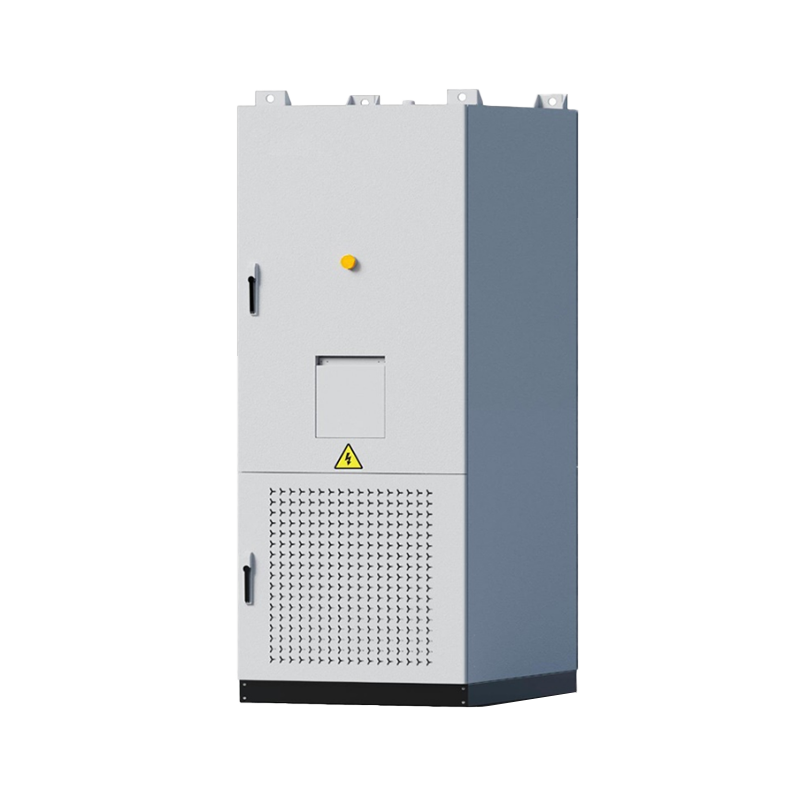 Integrated Outdoor Energy Storage Cabinet with Advanced Safety FeaturesThis all-in-one outdoor storage cabinet integrates battery, controller, and management systems in a single unit, featuring liquid cooling and fire suppression, making it a secure and efficient choice for outdoor energy storage applications.View Product →
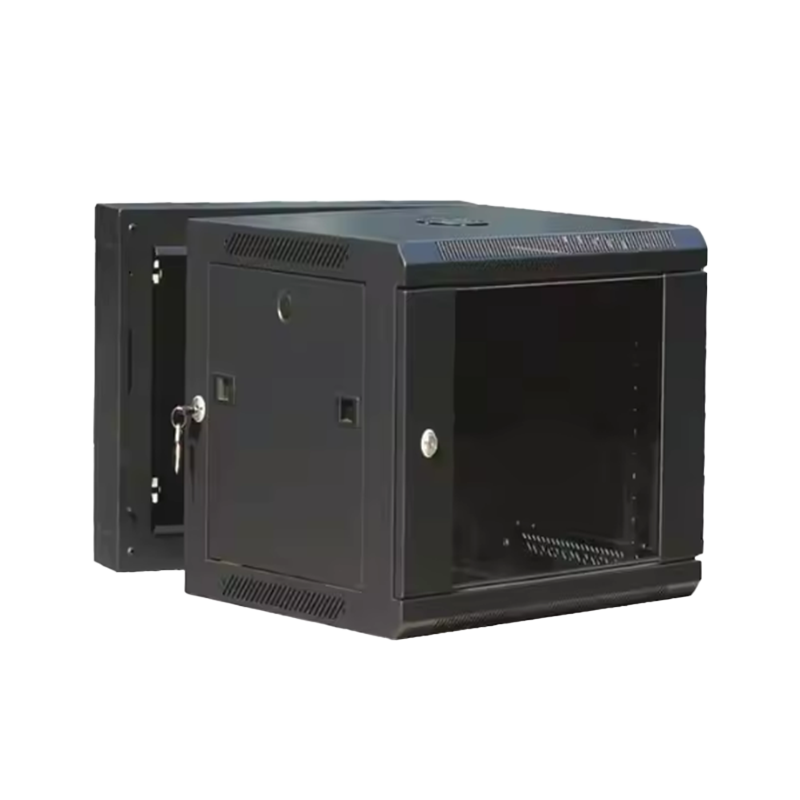
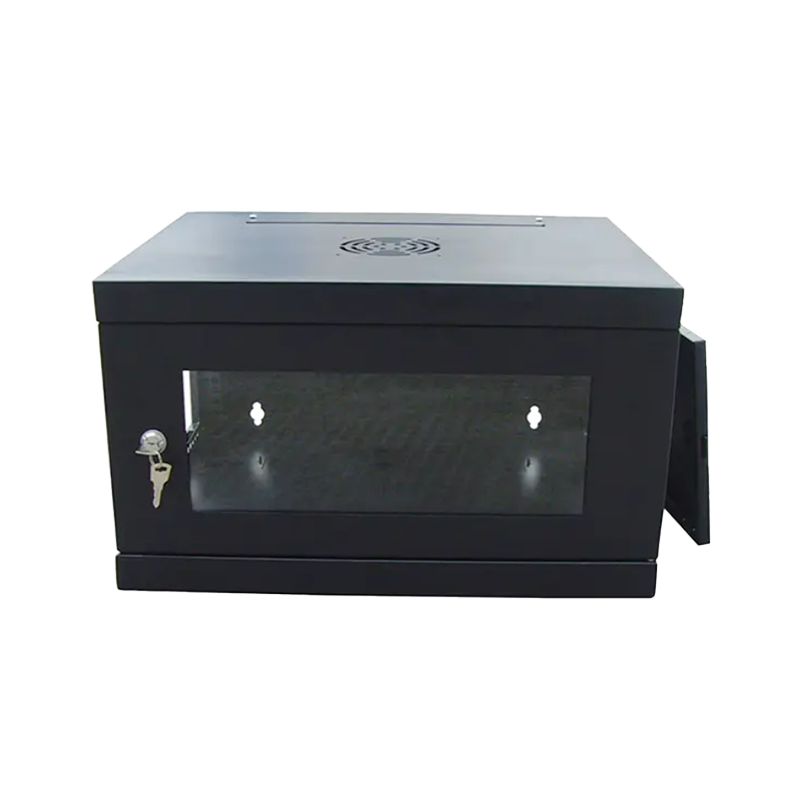
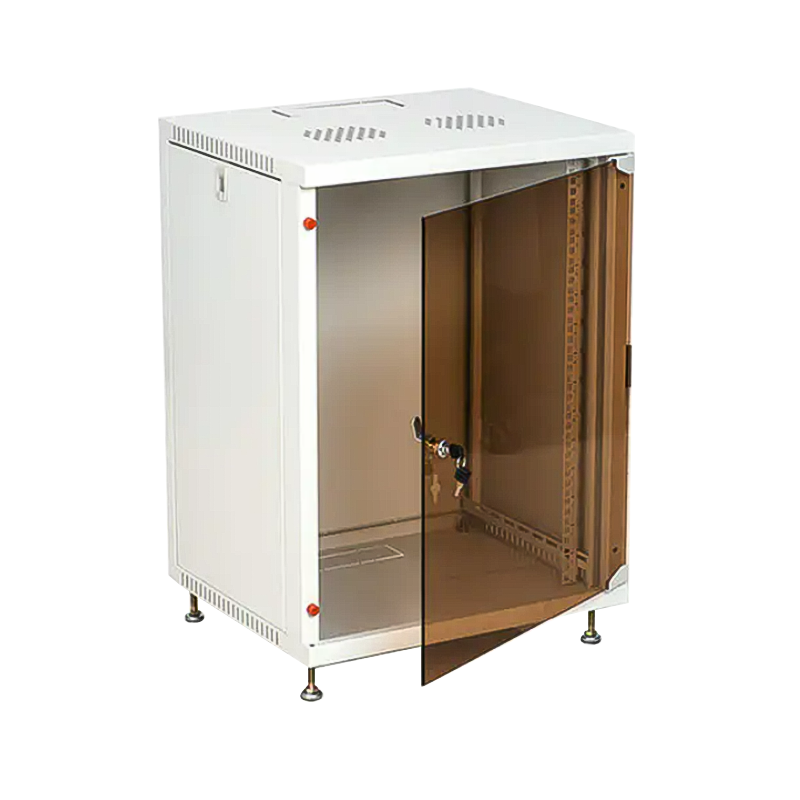
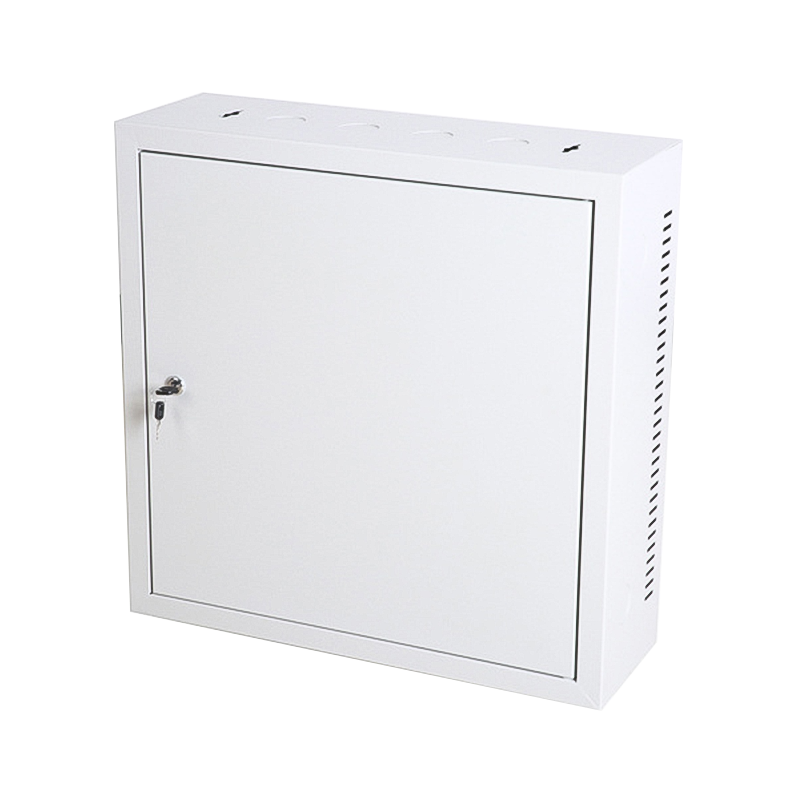
When floor space is at a premium, wall-mounted enclosures are a practical alternative. These cabinets offer the same NEMA protection levels in a compact form factor that keeps networking gear off the floor and out of the way. They are commonly used in small offices, factory floors, and outdoor utility locations where real estate is limited.
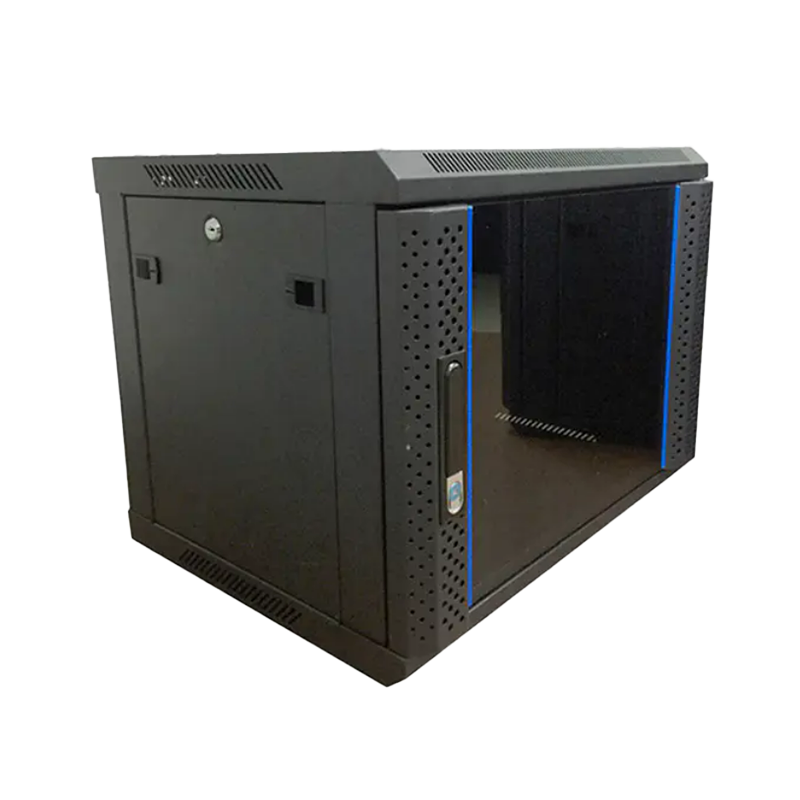 Single-Section Wall-Mounted Network Cabinet Space-Saving SolutionThis economical wall-mount cabinet provides a secure, compact enclosure for network equipment in small offices or home setups, effectively utilizing vertical space while maintaining essential protection and easy installation.View Product →
Buyers often encounter both NEMA and IP (Ingress Protection) ratings when comparing enclosures. IP ratings are defined by the International Electrotechnical Commission (IEC) in standard 60529, while NEMA ratings come from NEMA 250. These two systems are related but not identical.
NEMA ratings take a broader approach — they consider personnel protection, oil, coolant, and corrosion resistance in addition to dust and water. IP ratings focus specifically on solid objects and water ingress. This is why a NEMA 3R enclosure can have an IP rating as low as IP23 while still being approved for outdoor rain protection. The following table shows approximate equivalencies for common types.
| NEMA Type | Approximate IP Rating | Key Difference |
|---|---|---|
| Type 1 | IP10 | No water or oil protection |
| Type 2 | IP11 | Adds drip protection |
| Type 3R | IP23 | Rain and ice protection |
| Type 12 | IP52 | Adds oil and coolant protection |
| Type 4 | IP66 | Dust-tight and watertight |
| Type 4X | IP66 | Same as Type 4 plus corrosion resistance |
Choosing the right NEMA rating is not about chasing the highest number. It is about matching the enclosure to the actual conditions at your installation site. Here are the five factors that matter most.
Additionally, the enclosure material matters as much as the rating. Cold-rolled steel with powder coating is standard for indoor use. Stainless steel is preferred for coastal or chemical-rich sites. Fiberglass and polycarbonate offer corrosion-free alternatives that also provide electrical insulation.
NEMA stands for the National Electrical Manufacturers Association, an American trade association that develops standards for electrical products.
A NEMA enclosure is a protective housing for electrical or electronic equipment that meets the protection requirements defined by NEMA standards.
Type 3R protects against rain and ice from above, while Type 4 is fully dust-tight and protects against windblown rain and splashing water.
No. Higher ratings often cost more and can reduce airflow, so you should match the rating to the actual environment where the enclosure will be installed.
No. Type 1 enclosures are strictly indoor and offer no protection against rain, snow, or moisture in outdoor conditions.
Yes. Network cabinets and server racks are commonly rated to NEMA standards to ensure the equipment inside remains protected from environmental hazards.
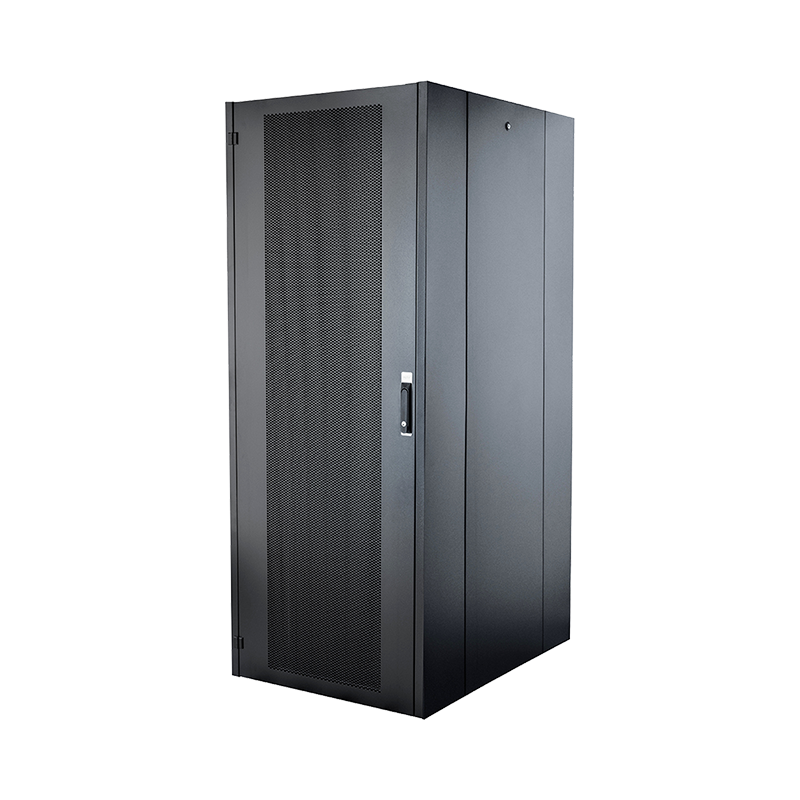



We are a company mainly engaged in the manufacturing of network cabinet , charging cart and other infrastructures.
Product Classification
Address
No.12 Fushan Road,Guanhaiwei Town,Cixi City,Ningbo,Zhejiang,China
PHONE
+86-17857397994