English
 عربى
عربى
 Español
 русский

News
Home / News / Industry News / What Is a Switched PDU? Definition, Benefits, and How It Works in Data Centers
At 2 a.m., a branch office phone system goes down. The server room is locked, and the only fix is rebooting a switch that has stopped responding. With a switched PDU, that reboot takes less than a minute from a laptop. A switched PDU is a power distribution unit that lets administrators remotely control individual outlets over a network—turning them on, off, or cycling power without physically visiting the rack.
Content
A switched PDU is a rack-mountable power distribution unit with built-in network intelligence. Unlike a basic PDU that only distributes power, a switched PDU includes a small processor, an Ethernet interface, and relays for each outlet. These relays enable individual socket control through a web interface, SSH session, or DCIM platform.
The practical advantage is clear: when a server, router, or switch freezes, you can power-cycle that specific outlet to restart the device. You can also schedule power sequences, stagger start-up times, and lock out unused sockets to prevent unauthorized equipment from drawing power. For IT teams and managed service providers, this eliminates the most common after-hours maintenance call—rebooting a hung device.
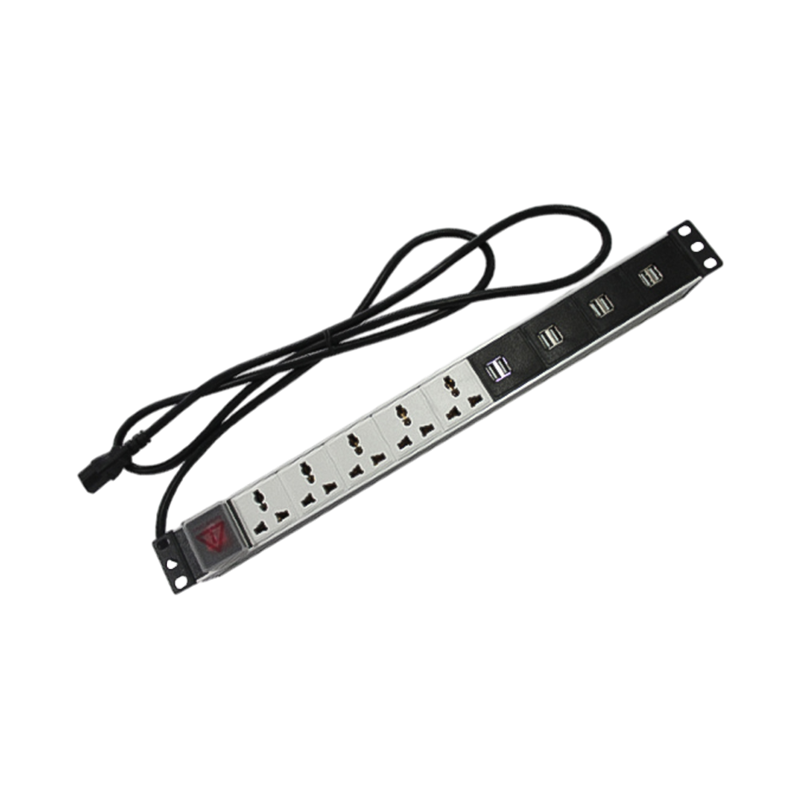 Switched PDU with Individual Outlet ControlA switched rack PDU that lets IT teams remotely power-cycle each outlet, schedule power sequences, and lock unused sockets to prevent unauthorized equipment. Ideal for managing and rebooting servers, routers, and switches without on-site visits.View Product →
To understand where a switched PDU fits, it helps to compare it with the other two common rack PDU categories.
| PDU Type | Power Monitoring | Remote Outlet Control | Typical Use Case |
|---|---|---|---|
| Basic PDU | No | No | Simple power distribution in a rack |
| Metered PDU | Yes, input or per-outlet | No | Tracking consumption to balance loads |
| Switched PDU | Usually yes | Yes, per-outlet on/off/cycle | Remote reboot and power management |
The table shows that a switched PDU is essentially a metered PDU with actuation added. This makes it the most capable category for operators managing equipment in remote, locked, or densely packed facilities.
Physically, a switched PDU is a long metal housing with a row of outlets. Inside, each outlet is paired with a relay switch, and the whole unit is wired to a network controller. The diagram below shows the main components in a simplified form.
When you click a button in the PDU web interface, the controller energizes or de-energizes the corresponding relay. This is what makes remote rebooting possible. Good units also include overcurrent protection and surge suppression to protect downstream servers.
The benefits of a switched PDU are most visible in three environments: data centers, remote branch offices, and AV/IT installations.
In a data center, uptime is the metric that matters. Switched PDUs let operators reboot hung servers, balance loads through scheduled on/off cycles, and integrate with DCIM software for automated actions. They also reduce the risk of overloading a circuit by enabling granular power control before a breaker trips.
When a router at a distant location needs a reset, a switched PDU turns a two-hour round trip into a two-minute restart. Managed service providers use them to offer remote power cycling as part of standard support.
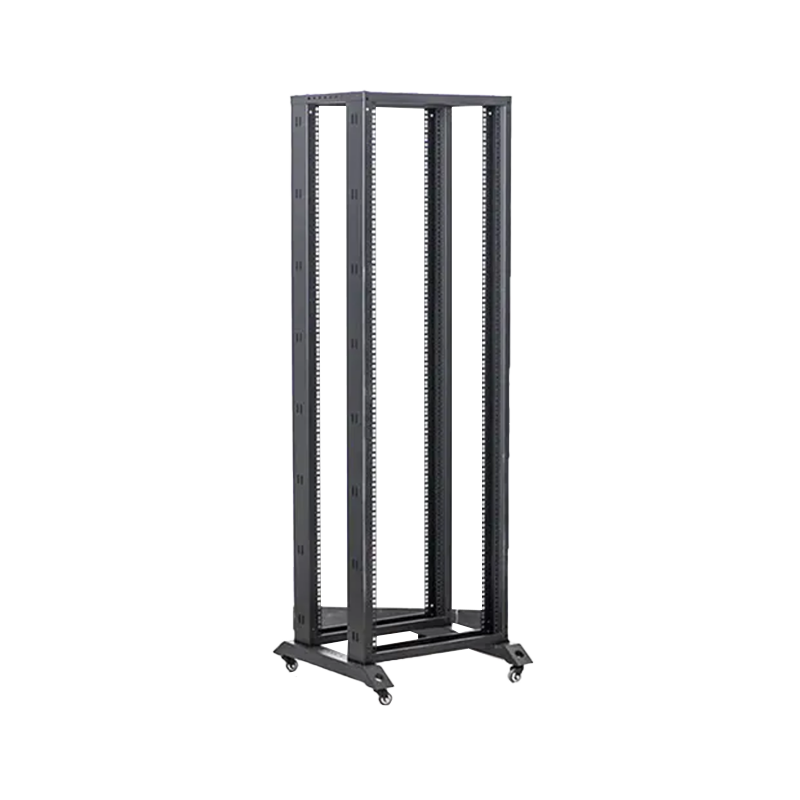
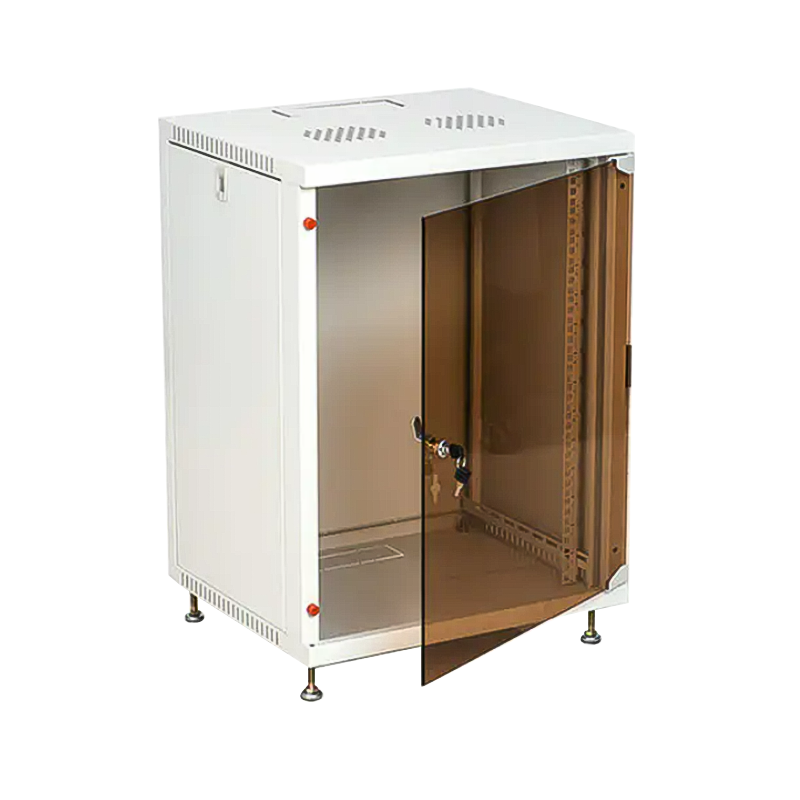
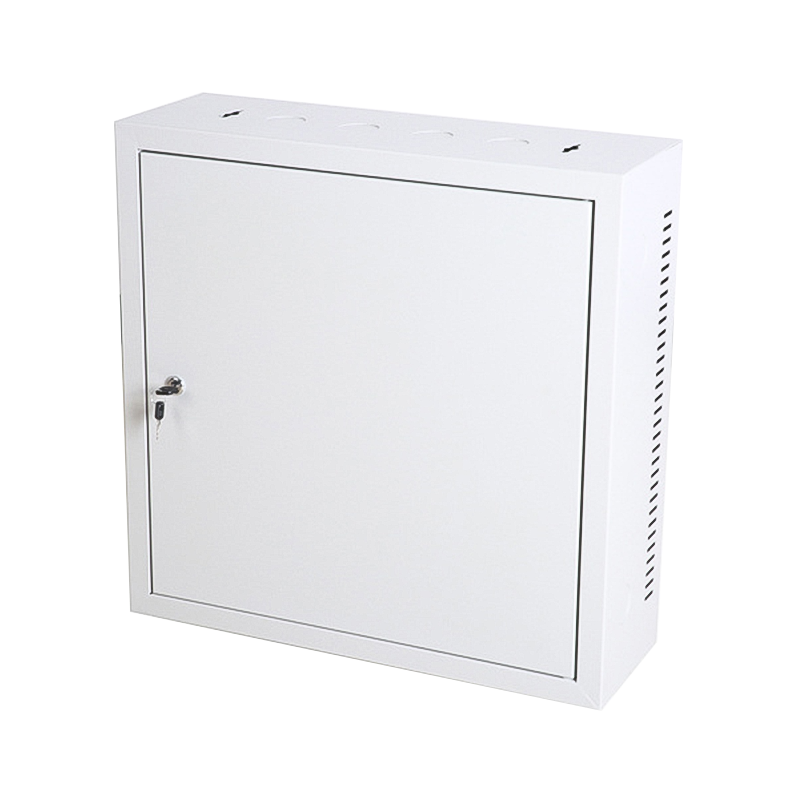
Conference rooms, digital signage, and kiosks frequently rely on equipment that locks up. A switched PDU mounted in a wall cabinet or open rack lets facilities staff recover a device without touching other equipment.
If you are evaluating switched PDUs for a server room or network cabinet, pay attention to these specifications.
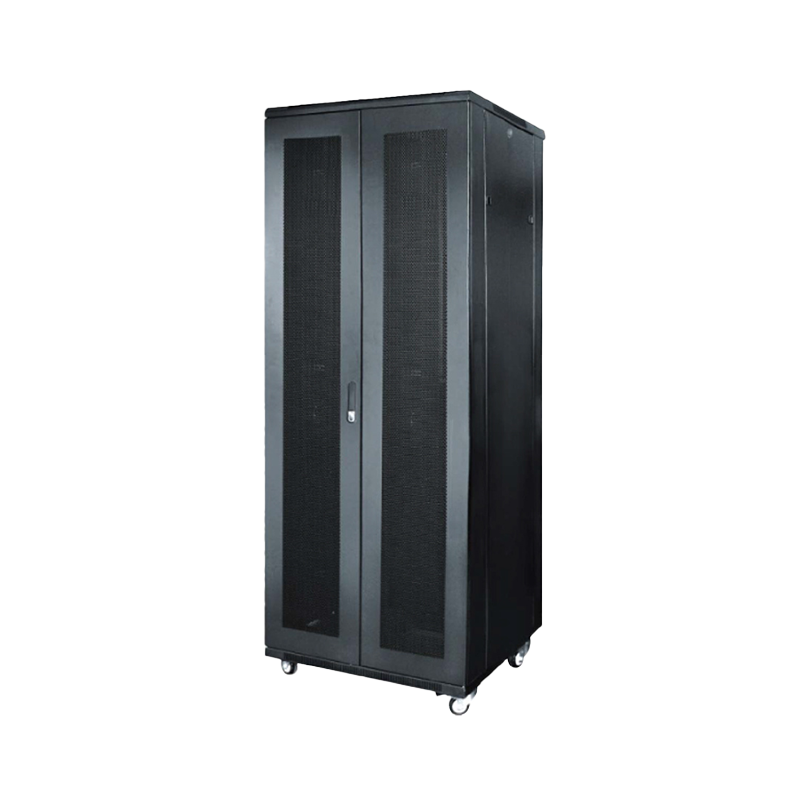
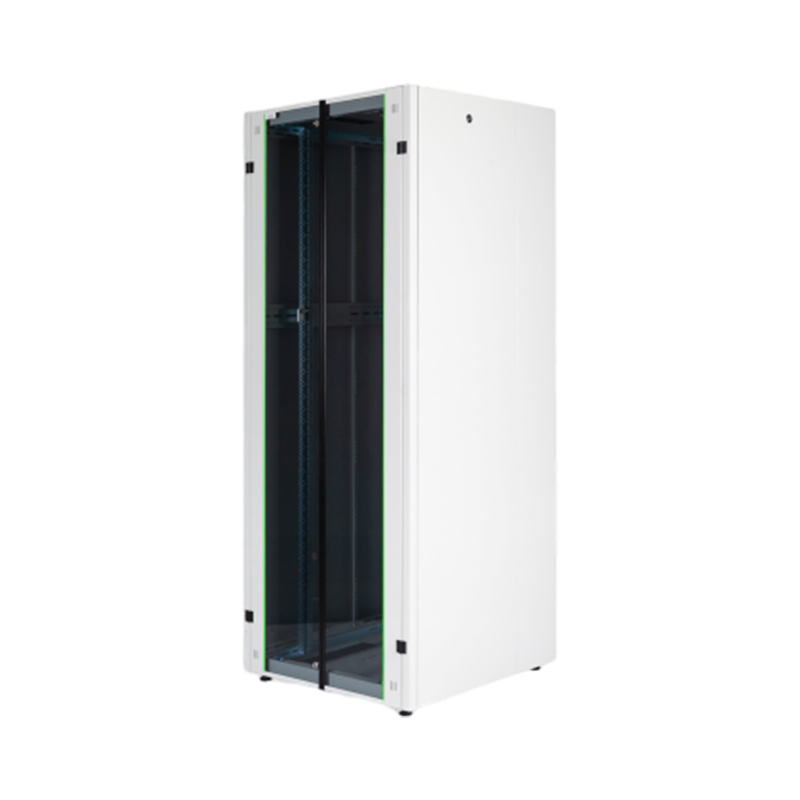
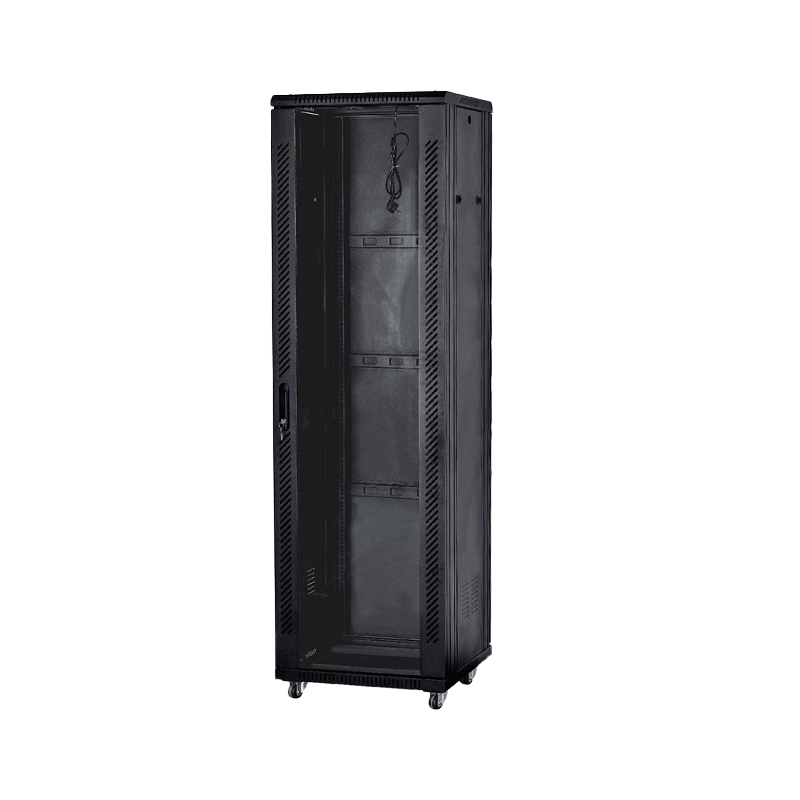
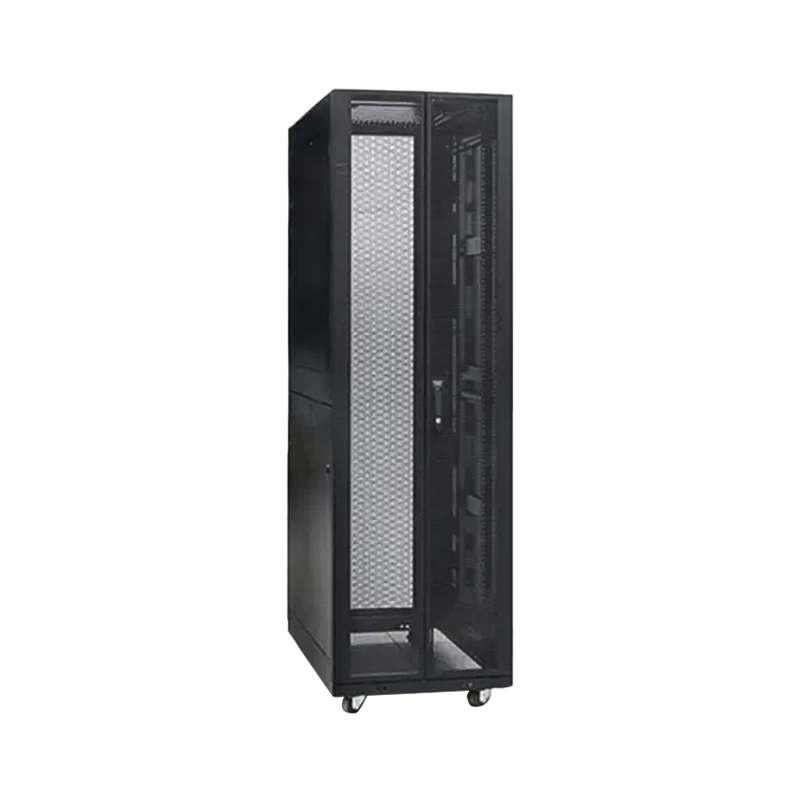
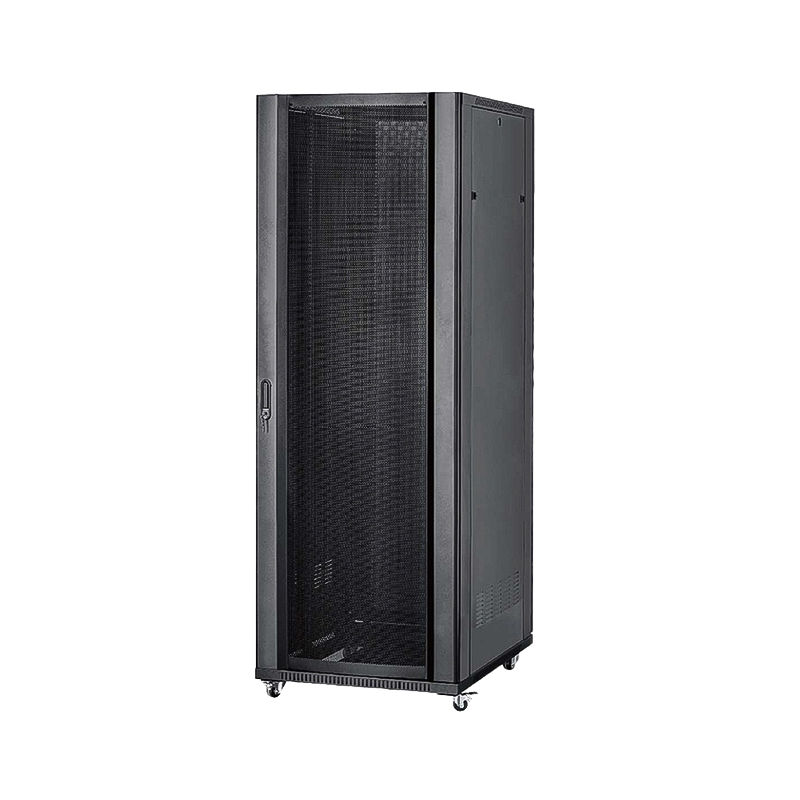
Select a network cabinet with proper cable management so that the PDU power cord and network cable are protected from accidental strain.
A switched PDU is more than a remote reset tool. When paired with a UPS, it becomes part of a managed power chain. The UPS provides battery backup, while the PDU decides which outlets receive power during a shutdown sequence.
For example, in a controlled shutdown, the PDU can power off non-essential servers first and keep critical network switches running until the battery is nearly exhausted. This coordination is discussed in detail in how PDUs work with UPS systems.
When utility power returns, the PDU restarts outlets one by one, avoiding a simultaneous power surge on the input. This staged start-up is a practical reason why switched PDUs are standard in modern data centers.
A switched PDU distributes power and lets users turn individual outlets on or off over a network for remote equipment reboot and control.
A basic PDU only distributes power. A switched PDU adds per-outlet switching and usually includes monitoring capabilities.
Yes. Most switched PDUs measure input voltage and current, and higher-end models track consumption at each outlet.
Log into the PDU web interface, find the outlet in the list, and select a power off/on cycle to reboot the connected device.
Yes, when the PDU uses relay switching with controlled power sequencing. This ensures a clean restart without harm to servers or switches.
A smart PDU is an intelligent PDU with monitoring, remote control, and network alerts. It is often used as a synonym for a switched PDU.
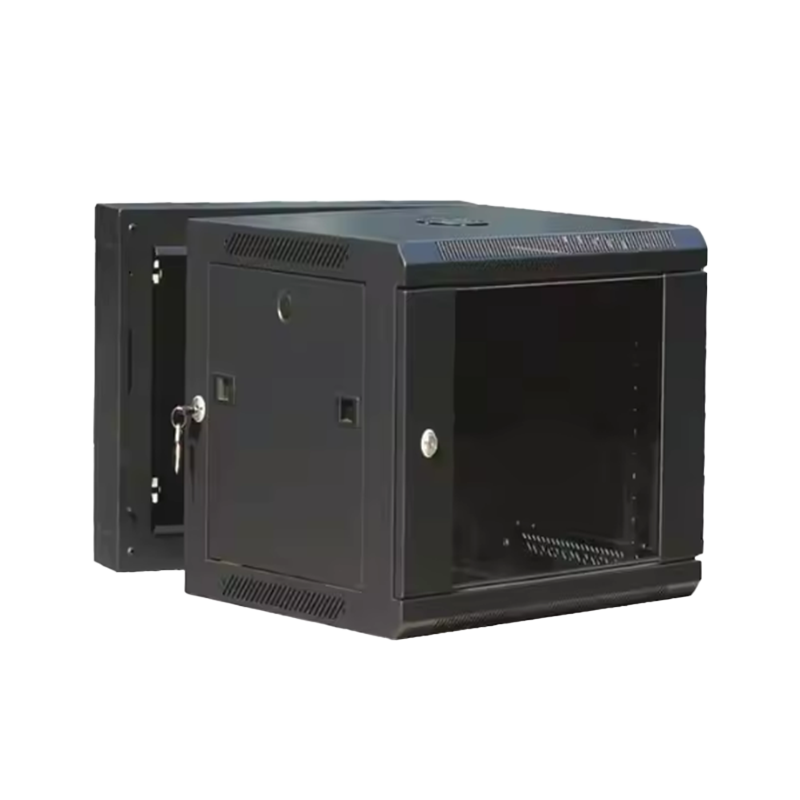
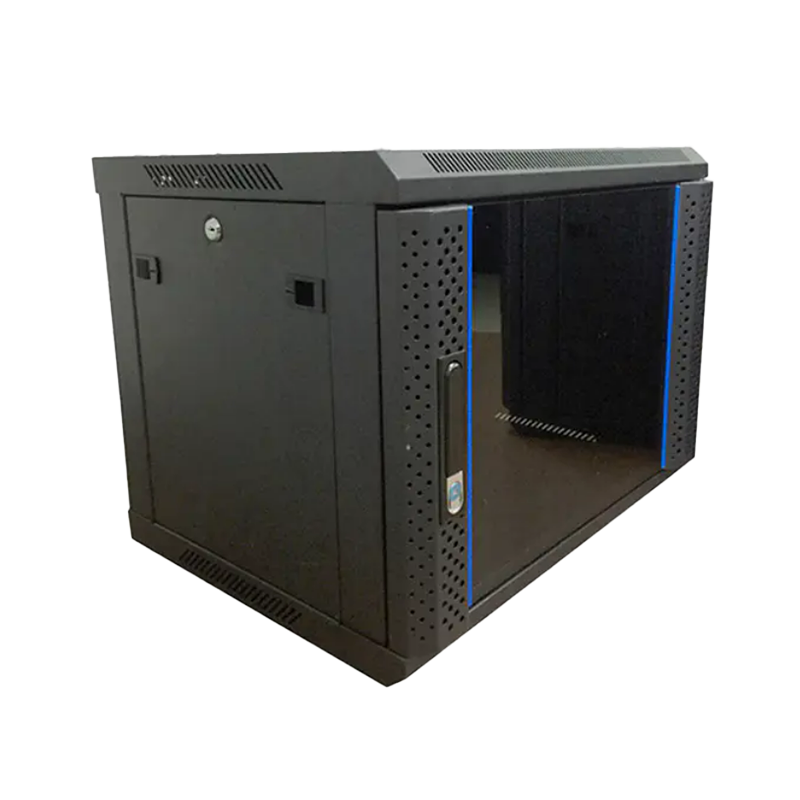
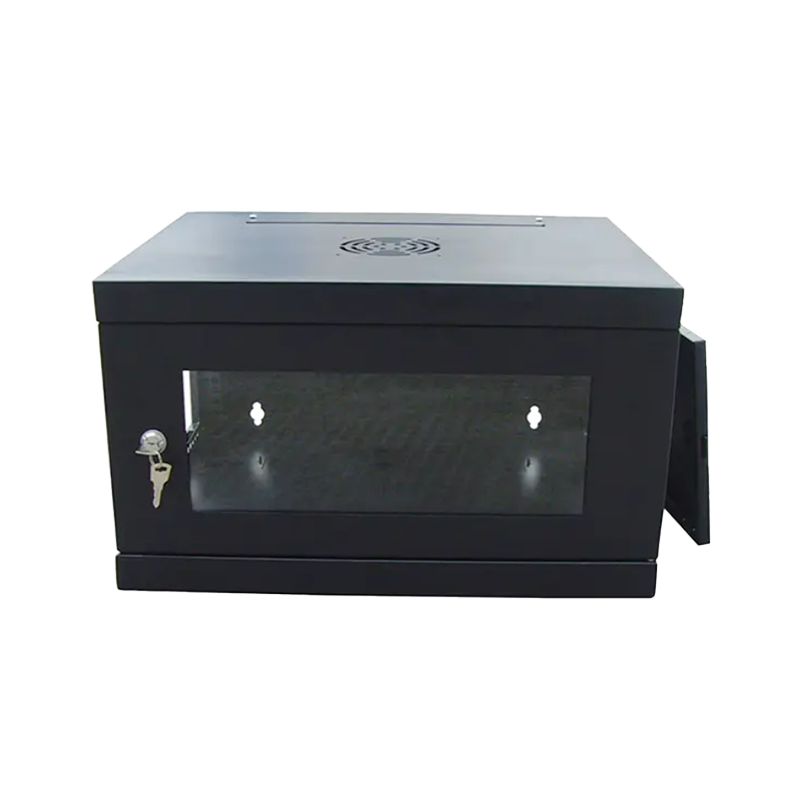
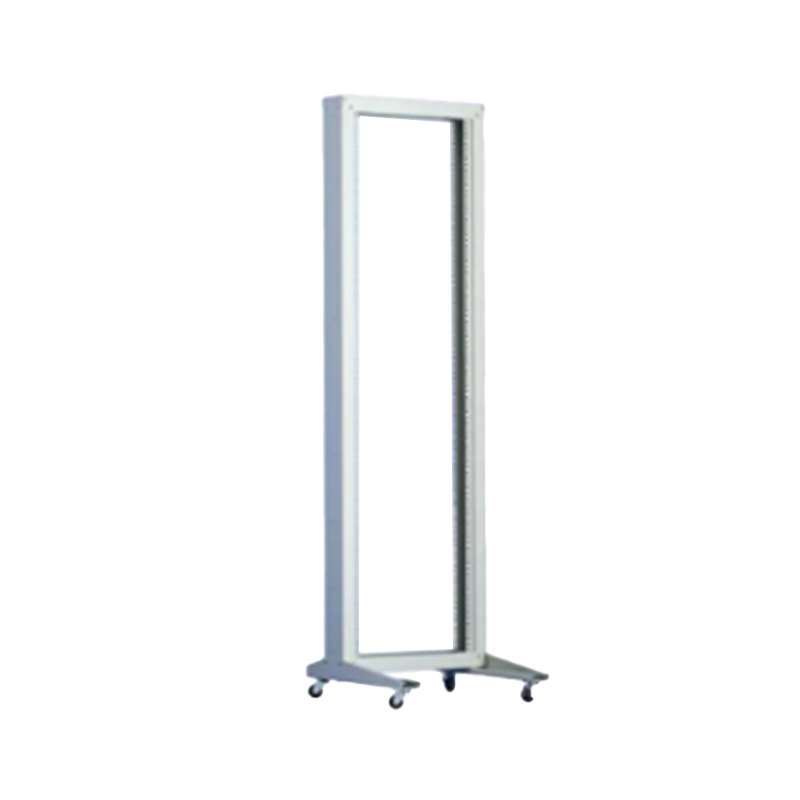


We are a company mainly engaged in the manufacturing of network cabinet , charging cart and other infrastructures.
Product Classification
Address
No.12 Fushan Road,Guanhaiwei Town,Cixi City,Ningbo,Zhejiang,China
PHONE
+86-17857397994