English
 عربى
 Español
 русский

News
Home / News / Industry News / NEMA Definition Explained: What the Acronym Means for Enclosure Ratings
A tender package lands on your desk with two lines that look like synonyms: "Type 4X, 304 stainless" and "IP66 minimum". They are not synonyms, and treating them as such is one of the quiet ways a network rollout ends up with a cabinet that fails its first wet-season inspection.
The short answer before the long one: NEMA stands for the National Electrical Manufacturers Association, a US trade body formed in 1926. In engineering and purchasing conversations, "NEMA" almost always means a NEMA 250 enclosure type — a label such as Type 12 or 4X that states where an enclosure may be installed and what it must survive. It is a standard, not a certificate, and it is not an IP code wearing a different name.
Content
The acronym resolves to the National Electrical Manufacturers Association, headquartered in Arlington, Virginia. NEMA publishes technical standards across many product families — motors under MG 1, wiring devices under WD 6, cable tray under VE 1. The one that governs cabinets, junction boxes and control housings is NEMA 250, officially titled "Enclosures for Electrical Equipment (1000 Volts Maximum)".
NEMA does not test, list or certify products. A manufacturer printing "NEMA 4X" on a label is declaring conformance to the definitions in NEMA 250; there is no NEMA mark and no NEMA inspector. Independent verification comes from a Nationally Recognized Testing Laboratory — Underwriters Laboratories' UL 50 and UL 50E, for instance — which evaluates the same enclosure against a parallel set of requirements. That distinction matters at the procurement desk: ask for the listing file number, not only the type number.
| Term as written | What it actually refers to | Common misreading |
|---|---|---|
| NEMA (organisation) | US trade association, formed 1926, publisher of electrical equipment standards | A testing body that certifies products |
| NEMA 250 | The standard "Enclosures for Electrical Equipment (1000 V maximum)" | A single product grade or quality level |
| NEMA 4X | An enclosure type: watertight, dust-tight and corrosion resistant | "IP66 in a stainless shell" |
| NEMA MG 1 / WD 6 | Motor and wiring-device standards — same acronym, unrelated to cabinets | The same rating system applied to racks |
NEMA 250 defines more than a dozen types. Most network and equipment projects only ever quote six of them, and the differences are narrower than the numbering suggests.
| Type | Indoor / outdoor | Defined protection | Typical use around IT equipment |
|---|---|---|---|
| 1 | Indoor | Falling dirt, incidental contact | Locked comms room with no water risk |
| 2 | Indoor | Dripping and light splashing of non-corrosive liquids | Plant room with condensation on pipes |
| 3R | Outdoor | Rain, sleet and snow; undamaged by ice | Pole or wall cabinet with no washdown |
| 3S | Outdoor | As 3R plus windblown dust; mechanism works when ice-laden | Dusty roadside or rail yard installation |
| 4 | Both | Watertight, dust-tight, hose-directed water | Washdown bays, food and beverage plants |
| 4X | Both | Type 4 plus corrosion resistance | Coastal, chemical and wastewater sites |
| 12 | Indoor | Dust, falling dirt, dripping non-corrosive liquids | Factory-floor network cabinets |
| 13 | Indoor | Dust, spraying water, oil and coolant seepage | Machine-tool and coolant areas |
| 6 / 6P | Both | Temporary or prolonged immersion at limited depth | Flood-prone pits and sumps |
For a longer walkthrough of each type and the test criteria behind it, see our guide to NEMA enclosure types and ratings.
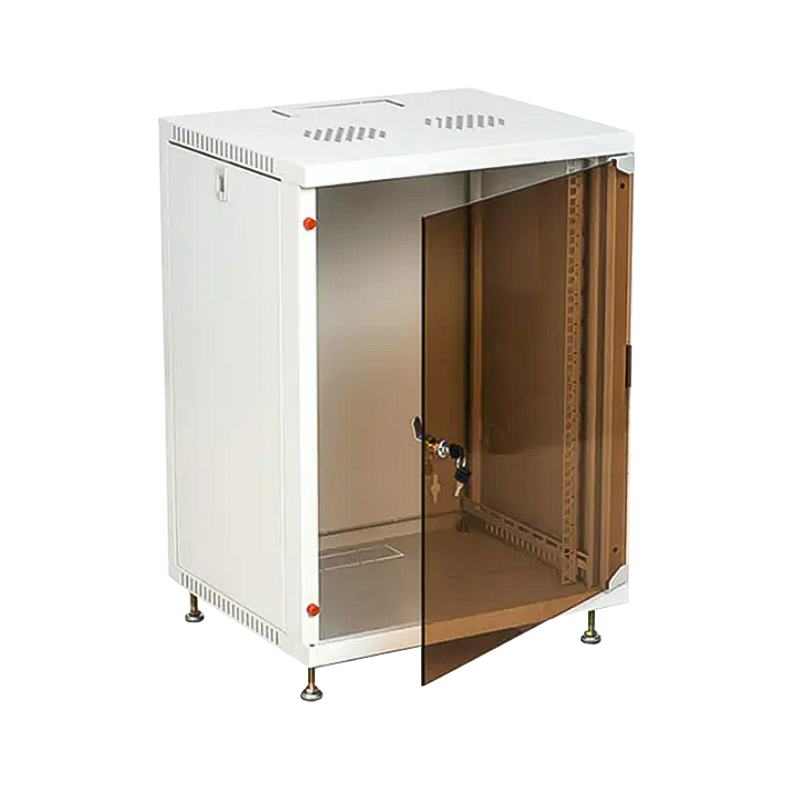
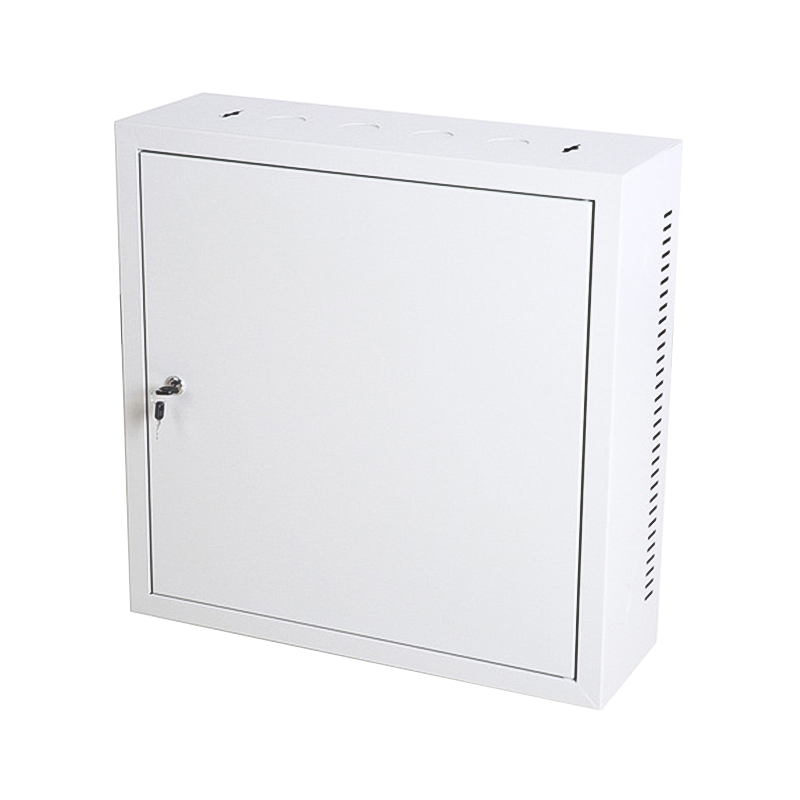
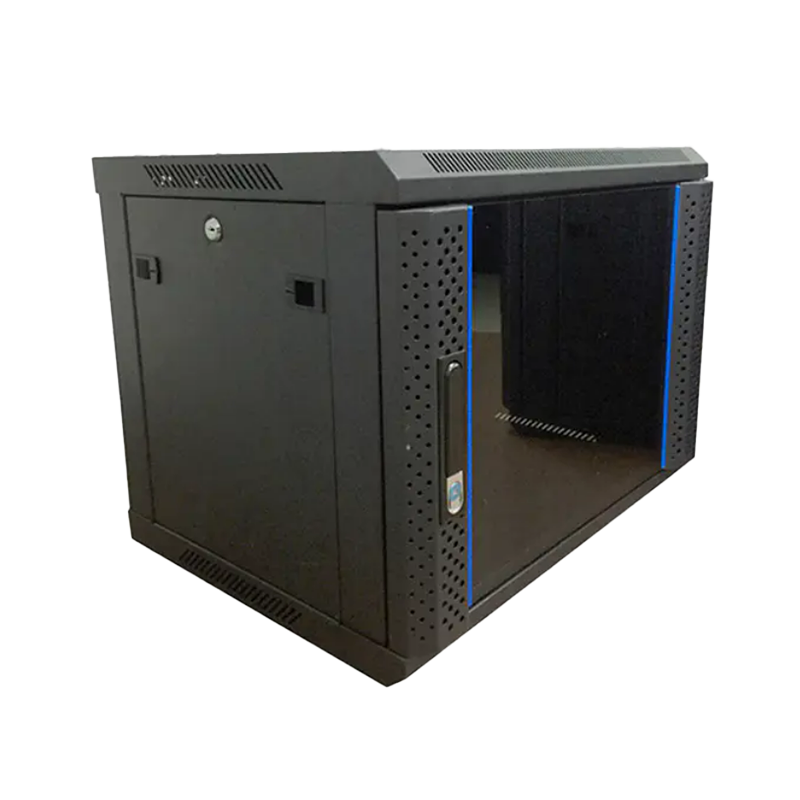 Wall-mounted network cabinet in 4U–27U sizesEconomical SPCC steel cabinet for small offices and home network centers, available assembled or disassembled with 4U–27U capacity.View Product →
The types are not ranks on a quality ladder; they describe different test regimes. The chart below orders the common types by the harshest exposure written into their scope — not by how "good" they are.
Two practical consequences follow. A Type 12 enclosure is not "better" than a Type 3R for outdoor work — it is simply never evaluated for rain. And there is no such thing as a higher number meaning more of everything: 4X outranks 4 only in corrosion resistance, not in water protection.
IP codes come from IEC 60529. Two digits, two questions — solids in the first digit, liquids in the second. NEMA 250 asks a broader set: corrosion, ice formation, oil and coolant seepage, and (through UL 50E) mechanical robustness. That is why "NEMA 4 equals IP66" survives as shorthand but collapses under scrutiny. A Type 4X stainless cabinet and an IP66 powder-coated cabinet may both pass a hose test, yet only one carries a corrosion claim.
When a datasheet offers a single number, treat the equivalence tables published by manufacturers as a starting point for discussion rather than proof. Dual marking is common and genuinely useful — provided both claims are backed by separate evidence.
Racks themselves are built to EIA-310 / IEC 60297 dimensions, and a data hall is a controlled environment — a Type 1 claim is largely decoration there. The rating starts doing real work at the edges of the building.
Type 12 is the sensible default: dust-tight against settling dust, drip-tight against condensation from chilled pipes. Check the gasket material (polyurethane or EPDM rather than foam), and confirm that any fan cut-out is fitted with a filter rather than left as an open louvre — an unfiltered vent quietly converts a Type 12 cabinet into a Type 1 one.
Type 3R is the minimum for rain and ice, Type 4 where a pressure washer may come near, and Type 4X anywhere salt or chemical mist is present. For a coastal site, 316 stainless or a documented multi-coat powder finish is the difference between a ten-year cabinet and a four-year one.
The features that actually earn a Type 4X claim are visible on the outside: a formed-in drip edge or rain hood, a continuous gasket in a channel rather than a surface strip, hardware that still opens when iced, and cable entries closed with glands rather than open knockouts.
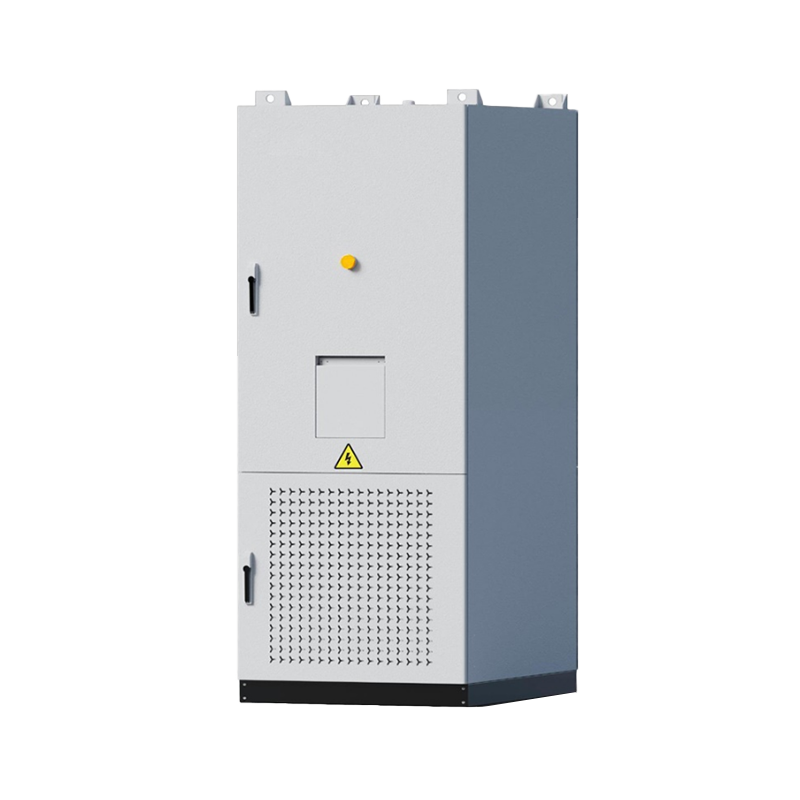 All-in-one outdoor energy storage cabinetCombines battery, BMS, EMS and PCS for peak shaving, backup and remote-site use, with outdoor protection and liquid cooling.View Product →
For projects that mix sheltered and exposed positions, it helps to compare the outdoor network cabinet range against the indoor wall-mount options before locking a single type number across the whole site.
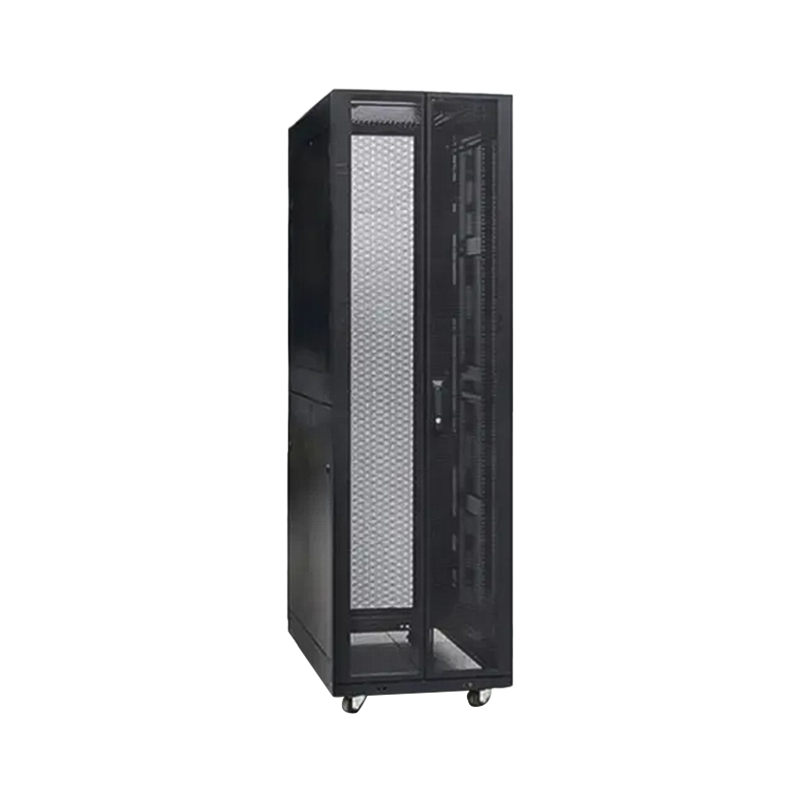
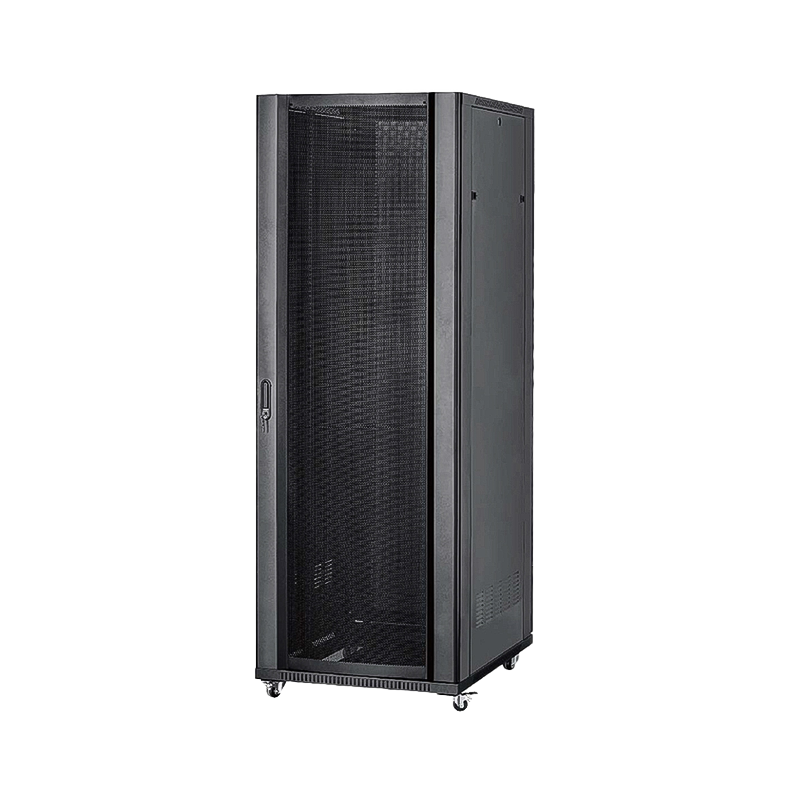
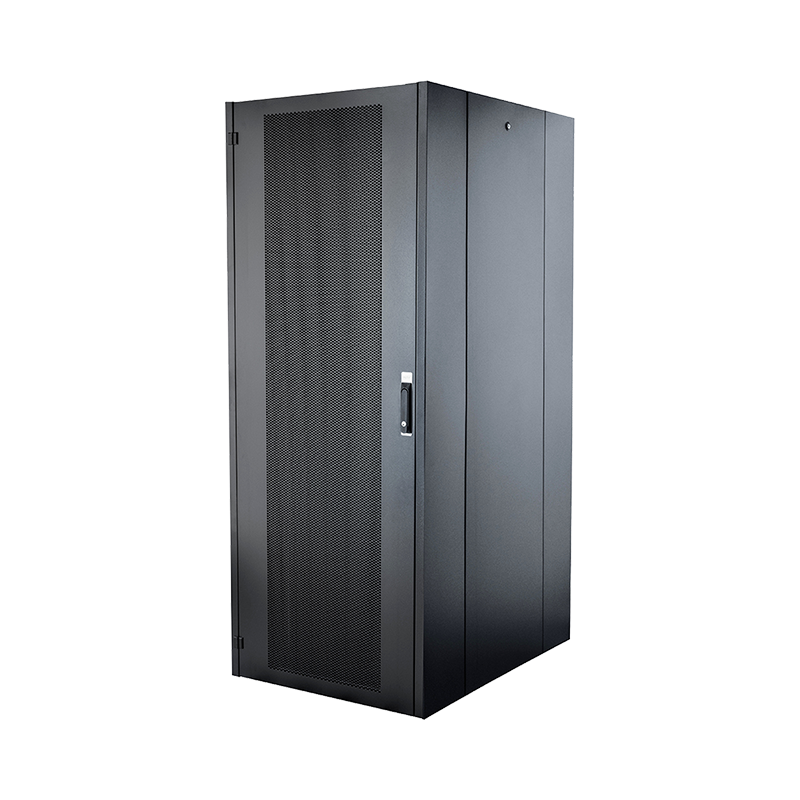 42U free-standing network cabinet with optional fansFloor-standing SPCC steel server rack available from 12U to 47U, with lockable doors, cable organization and optional 2–6 fans.View Product →
Q1. What does NEMA stand for?
The National Electrical Manufacturers Association, a US standards body founded in 1926. In equipment specs it usually points to a NEMA 250 enclosure type such as Type 12 or 4X.
Q2. Is NEMA 4 the same as IP66?
No. They overlap on hose-directed water testing, but NEMA 4X adds a corrosion claim and NEMA 250 also covers icing and oil. Published IP equivalents are a starting point, not a substitution.
Q3. Does a network cabinet need a NEMA rating?
Indoors, rarely — a Type 1 or 12 label is mostly a purchasing formality. Outdoors, on a factory floor, or anywhere washdown happens, specify the type and back it with a UL 50E listing.
Q4. What is the difference between NEMA 12 and NEMA 4?
Both are dust-tight indoors; Type 4 adds a hose-directed water test and can be installed outdoors. Type 12 is never evaluated for rain or hose spray.
Q5. Can a NEMA 3R cabinet stay outdoors all year?
Yes, for rain, sleet and snow with ice resistance — but 3R carries no hose-down or windblown-dust rating, so avoid it near pressure washing or heavy dust.
Q6. Is NEMA the same as UL listed?
No. NEMA writes standards; UL and other NRTLs test and list products to UL 50 and 50E. A NEMA type claim on its own is a manufacturer declaration.
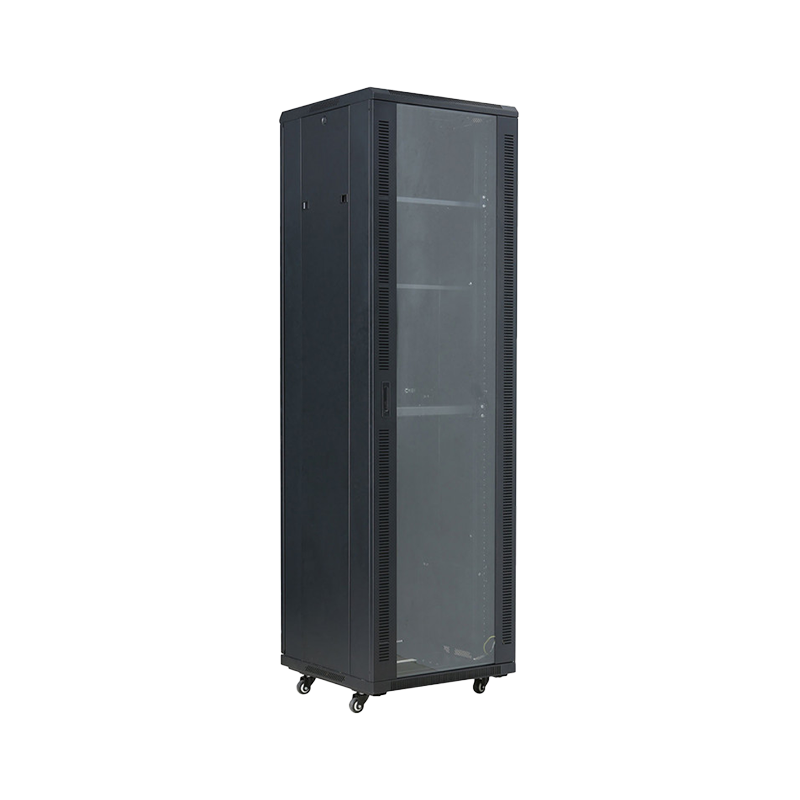

We are a company mainly engaged in the manufacturing of network cabinet , charging cart and other infrastructures.
Product Classification
Address
No.12 Fushan Road,Guanhaiwei Town,Cixi City,Ningbo,Zhejiang,China
PHONE
+86-17857397994