In modern enterprise network architecture, the centralized management of equipment such as servers, switches, and routers is crucial. Network cabinets, as the support and protection carriers for network equipment, directly affect the stability and lifespan of the equipment. With the limitations of office and data room space, wall-mounted network cabinets have become the choice of more and more businesses due to their space-saving and flexible installation features. However, many businesses still wonder: "Are wall-mounted network cabinets truly reliable for enterprise use?" This article will provide an in-depth analysis from five aspects: structural design, load-bearing capacity, heat dissipation, security, and practical application cases, to help businesses make informed decisions.
1. Design Features of Wall-Mounted Network Cabinets
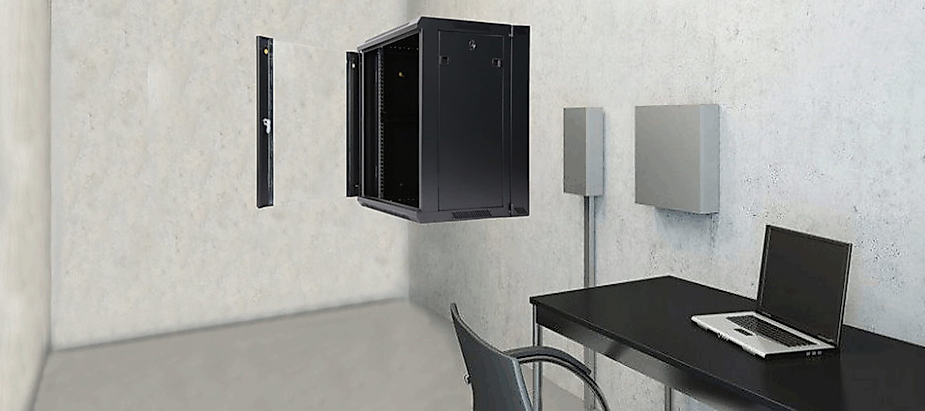
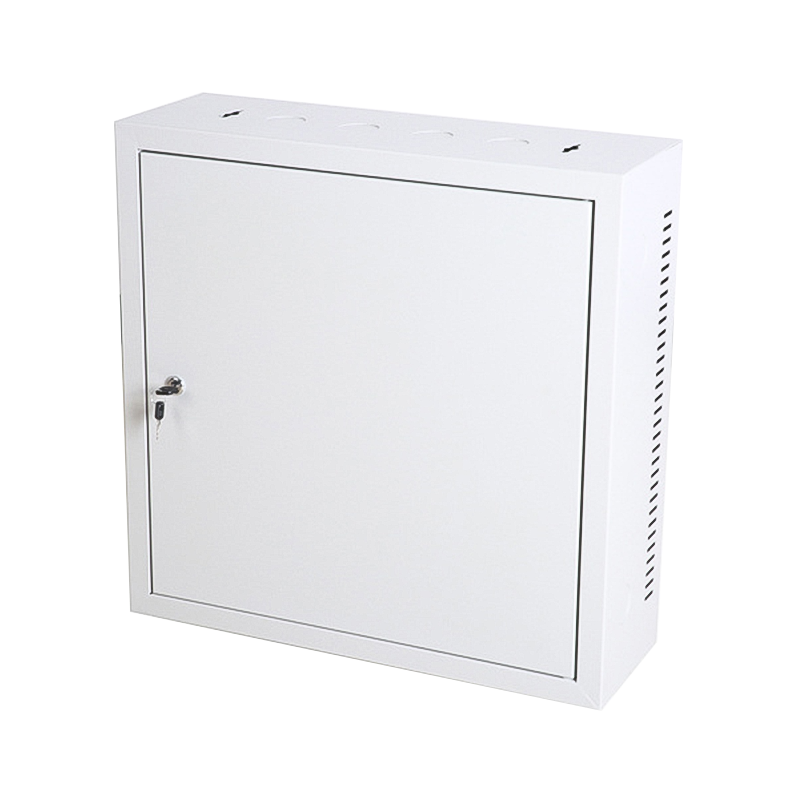
A wall-mounted network cabinet is a network equipment cabinet that can be fixed to a wall. It usually has the following design features:
Compact Structure
Compared to traditional floor-standing cabinets, wall-mounted cabinets are relatively smaller in height and depth, occupying less space, making them suitable for offices, distribution rooms, or small network rooms.
Open and Closed Designs
Open wall-mounted cabinets: convenient for wiring and good heat dissipation, but poor dust protection.
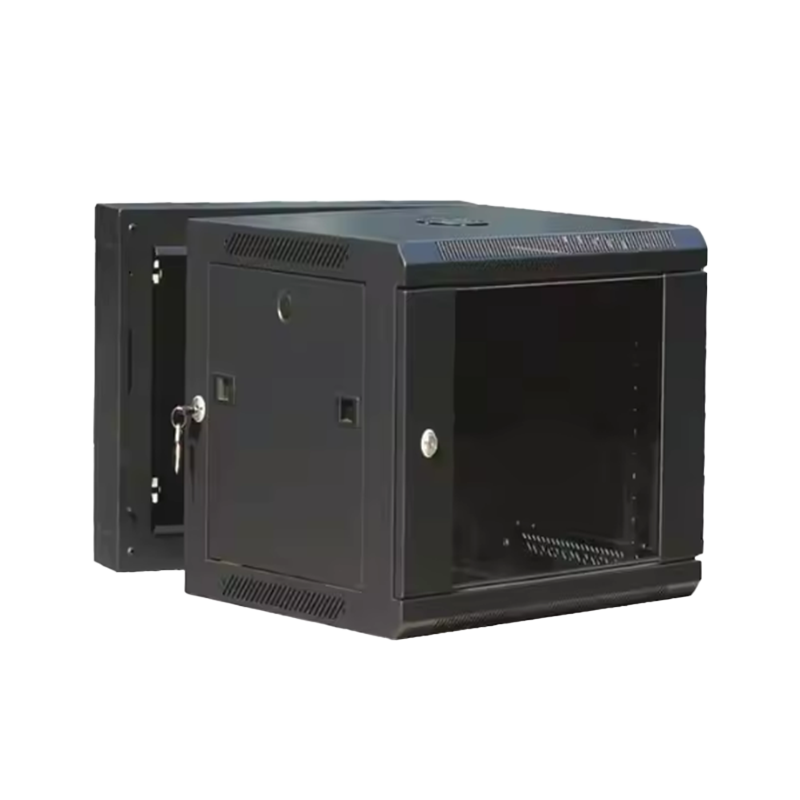
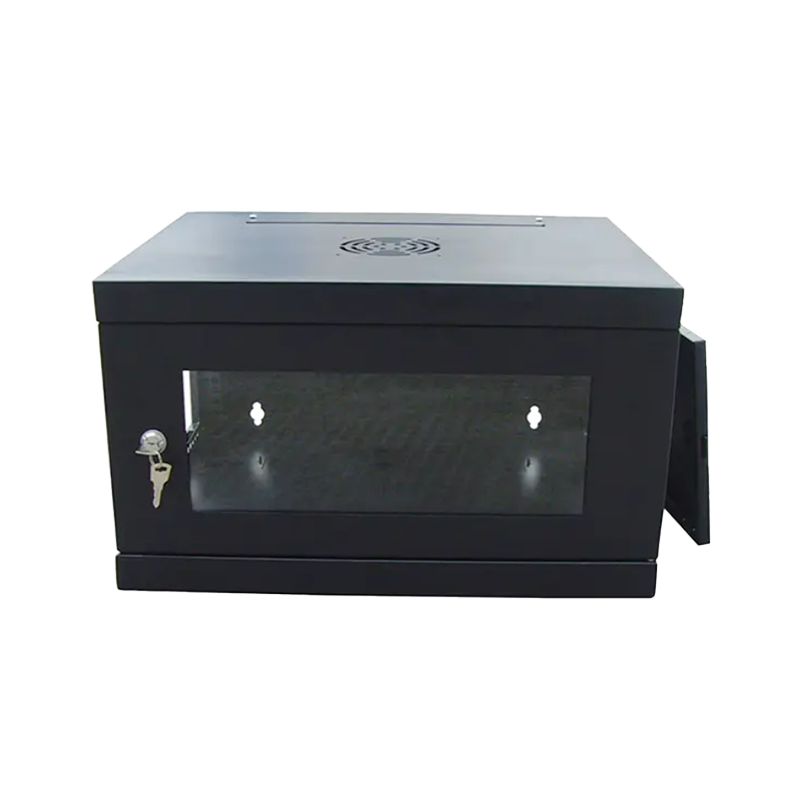
Closed wall-mounted cabinets: strong dust protection, collision protection, and protection against unauthorized access, suitable for storing critical network equipment.
Modular Accessories
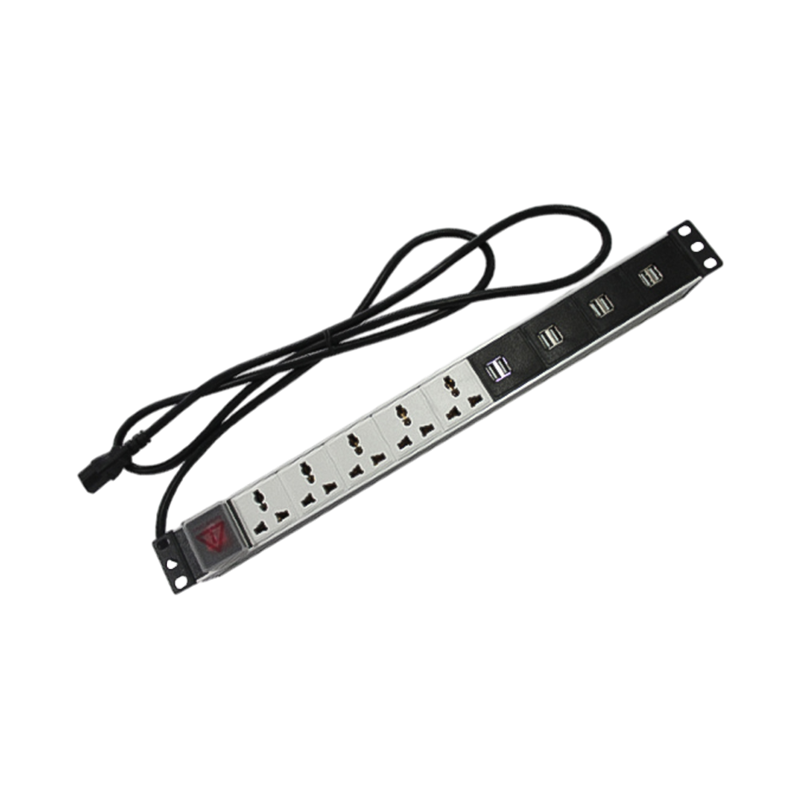
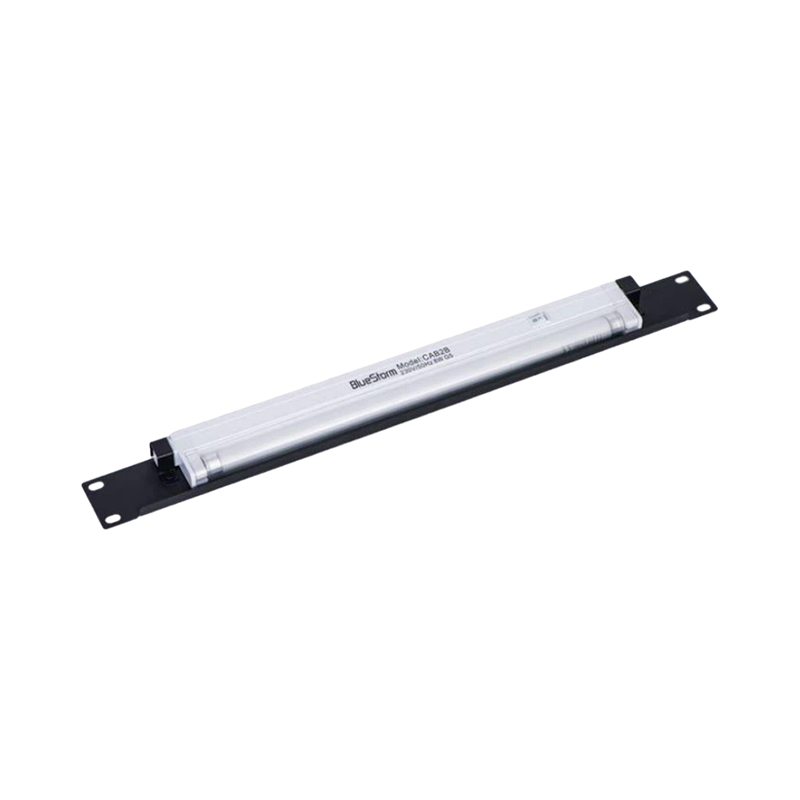
Supports the installation of various trays, brackets, cable management trays, and power sockets, allowing businesses to flexibly configure according to the actual number and layout requirements of their equipment.
These design advantages of wall-mounted network cabinets make them highly practical in space-constrained enterprise environments.
2. Load-Bearing Capacity and Reliability
Many businesses worry whether wall-mounted network cabinets are strong enough to support multiple network devices. The actual situation is as follows:
Load-Bearing Design
High-quality wall-mounted cabinets usually use cold-rolled steel or aluminum alloy materials, with a load capacity of 50-100 kg, which can fully meet the installation requirements of conventional switches, routers, and small servers.
Wall Mounting Method
Securely installed using expansion bolts, wall brackets, or embedded fasteners, ensuring long-term stable load-bearing capacity and preventing shaking or detachment. The internal brackets are rationally distributed.
The trays and mounting brackets have been mechanically calculated to ensure even weight distribution of the equipment, preventing excessive local pressure that could lead to deformation.
Overall, as long as you choose a wall-mounted rack from a reputable manufacturer and install it correctly according to the instructions, its load-bearing capacity can fully meet the daily network equipment needs of businesses.
3. Heat Dissipation and Ventilation Analysis
Network equipment generates a significant amount of heat during operation, and heat dissipation performance directly affects equipment stability. Wall-mounted network racks have unique advantages and potential problems in this regard:
Advantages
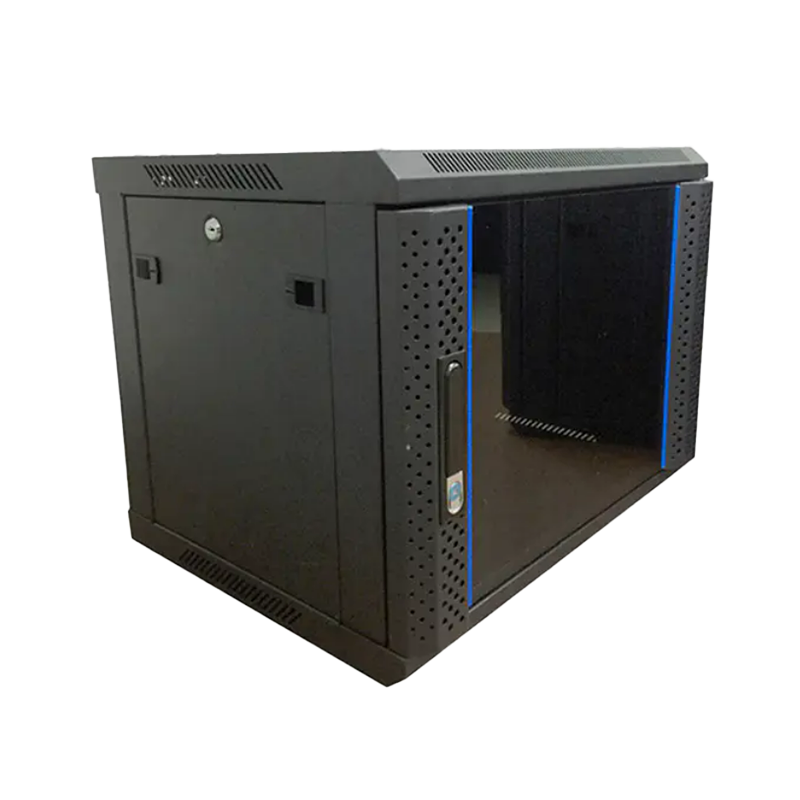
Wall-mounted racks are usually equipped with ventilation holes, removable side panels, and fan interfaces to ensure air circulation and good heat dissipation. For small and medium-sized enterprise network environments, this is sufficient to ensure that the equipment operates within a safe temperature range.
Precautions
Avoid stacking too many high-power devices to prevent localized heat accumulation.
For sealed racks, additional fans or air conditioning can be used for auxiliary cooling.
Maintain a certain distance between the rack and the wall to facilitate air convection.
Proper heat dissipation design can ensure the long-term reliable operation of wall-mounted network racks and prevent equipment failure due to overheating.
4. Security and Protection Capabilities
Enterprise network equipment involves core business data, and the performance of wall-mounted racks in terms of security is as follows:
Physical Protection
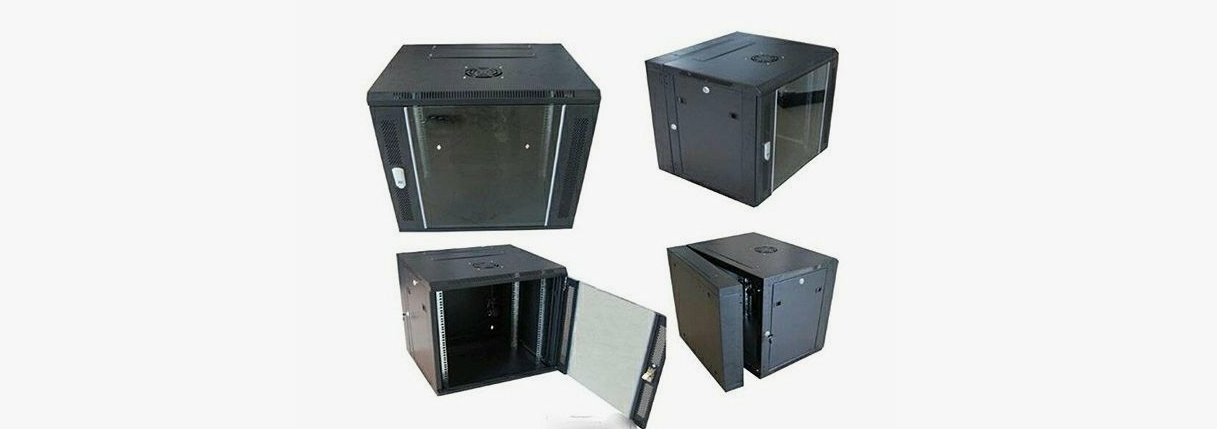
Enclosed wall-mounted racks are equipped with locks and anti-pry doors to prevent unauthorized access and protect network equipment security.
Dust and Moisture Protection
High-quality racks use tempered glass panels and sealing strips, which can effectively prevent dust and moisture, extending the life of the equipment.
Cable Management and Power Protection
Wall-mounted racks have built-in cable management channels and power management systems to prevent cable clutter from causing short circuits or interference, improving overall network security.
Wall-mounted network racks are not only safe and reliable but also provide businesses with additional physical security and equipment protection.
5. Practical Applications and Cases
Small and Medium-Sized Offices
In office environments with limited space, wall-mounted network racks have a small footprint, making it convenient to install multiple switches, routers, and wireless controllers on the wall, ensuring a neat and easy-to-maintain network.
Educational and Research Institutions
Laboratory and classroom spaces are limited, and using wall-mounted racks allows for centralized management of network equipment, while also facilitating daily monitoring by teachers or technicians. Retail and Chain Stores
Retail stores and chain stores have a small number of network devices, but require a stable connection to the backend server. Wall-mounted cabinets save space and facilitate unified wiring and secure management.
These practical examples demonstrate that, with proper selection and installation, wall-mounted network cabinets are fully capable of meeting the daily network operation and maintenance needs of businesses.
6. Suggestions for Purchasing Wall-Mounted Network Cabinets
Choose a reputable brand to ensure that the materials, craftsmanship, and load-bearing capacity meet the standards.
Select the cabinet specifications based on the number and size of the equipment to avoid insufficient space or wasted space due to oversized cabinets.
Pay attention to the heat dissipation design; sealed cabinets can be equipped with fans or air conditioning for assistance.
Check the safety performance, such as locks, dustproof strips, and moisture resistance.
Ensure proper installation, making sure the wall is sturdy and using standard wall-mounting methods.
Using wall-mounted network cabinets is reliable for businesses. They offer multiple advantages, including stable load-bearing capacity, good heat dissipation, flexible installation, and security protection, making them especially suitable for small and medium-sized enterprises or environments with limited space. Through scientific selection and standardized installation, wall-mounted network cabinets can not only protect the security of enterprise network equipment but also improve network management efficiency, becoming an indispensable tool in enterprise information technology construction.
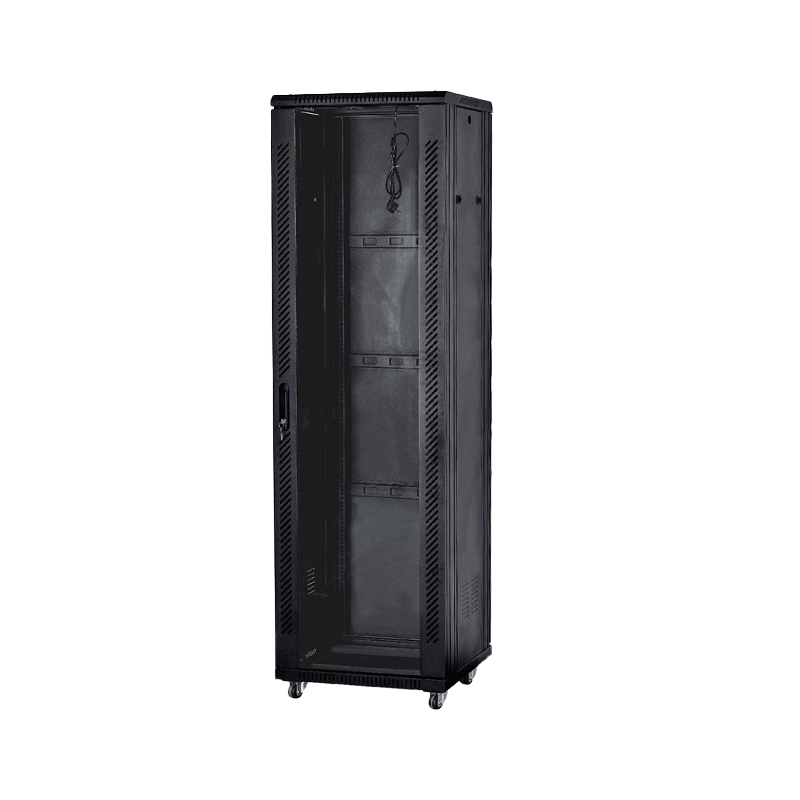
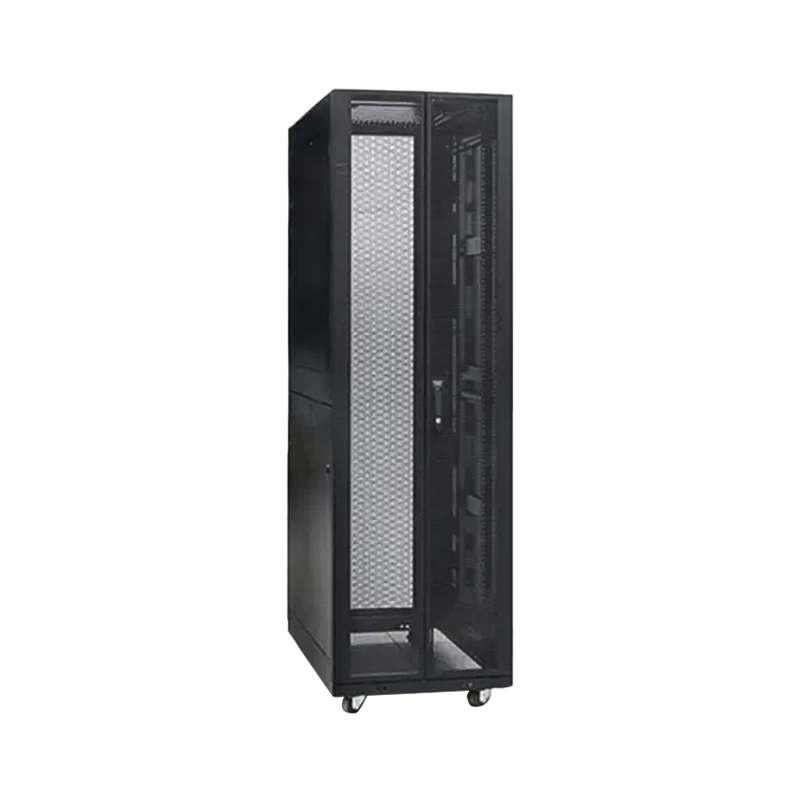
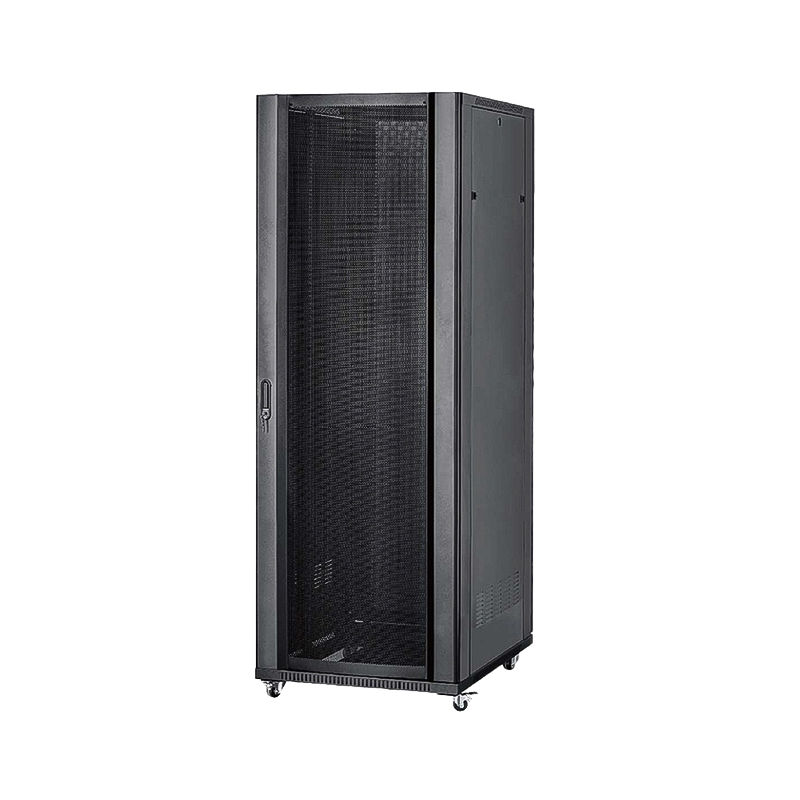
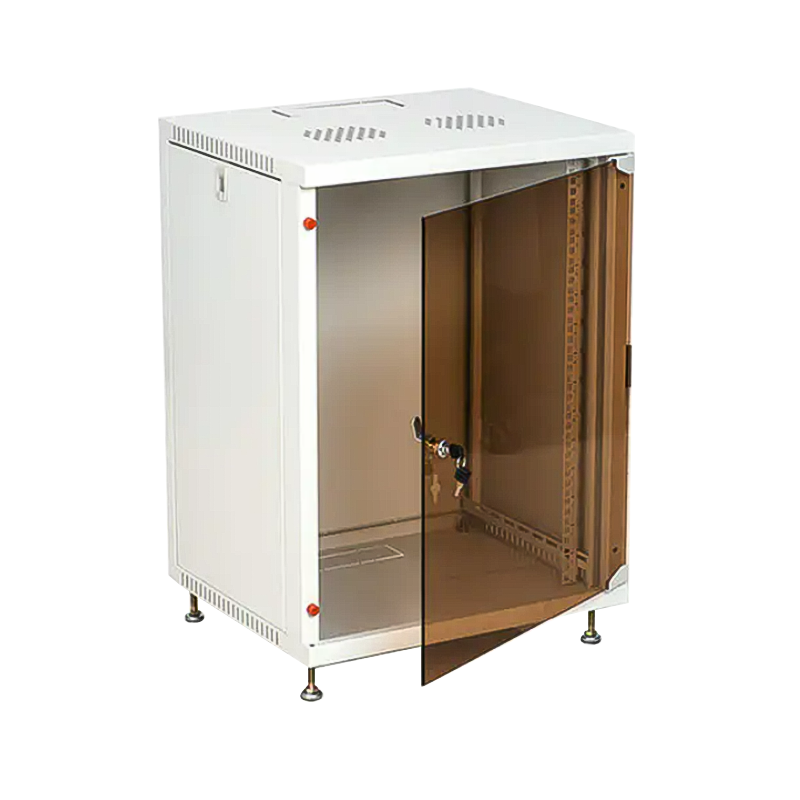

We are a company mainly engaged in the manufacturing of network cabinet , charging cart and other infrastructures.
Product Classification
Address
No.12 Fushan Road,Guanhaiwei Town,Cixi City,Ningbo,Zhejiang,China
PHONE
+86-17857397994

 English
 عربى
عربى
 Español
 русский