A wall mount network cabinet can improve space efficiency by up to 40% compared to traditional floor-standing racks — this is not a vague estimate but a measurable outcome documented across office deployments, retail back-rooms, and distributed wiring closets. By anchoring network equipment directly to walls, organizations recover 100% of the rack's floor footprint, reduce cable run lengths, and eliminate the standing clearance zones that floor racks require. The sections below explain exactly how this efficiency is achieved, which environments benefit most, and what to look for when selecting the right solution.
Content
Standard floor-standing network racks typically occupy between 0.5 and 1.2 square meters of usable floor area, including the ventilation clearance and technician access zones required on all sides. In small server rooms, wiring closets, and open-plan offices, that footprint competes directly with workstations, storage, and circulation paths — all areas that carry real occupancy costs.
Consider a practical example: a 12U floor rack with standard side clearance and front-rear access requires roughly 1.0 m² of dedicated floor area. That same equipment, installed in a wall mounted server network cabinet, occupies zero floor space. The footprint moves entirely to vertical wall surface that was previously unused. In urban offices where every square meter carries a lease cost, this shift delivers immediate operational value.
The 40% figure reflects the combined impact of three measurable improvements that wall-mount installations deliver simultaneously:
The chart below compares the floor area consumed by floor racks versus wall mount cabinets across three common deployment environments:
Wall-mount solutions deliver the highest return in environments where floor space is constrained or where equipment security and access control are priorities. The table below maps environment types to their primary benefit drivers and recommended cabinet sizing:
| Environment | Primary Benefit | Typical Cabinet Size | Floor Space Recovered |
|---|---|---|---|
| Small / Home Office | Floor area recovery | 6U – 9U | 0.5 – 0.8 m² |
| Enterprise Office | Distributed wiring closets | 12U – 18U | 1.0 – 1.5 m² |
| Retail / Commercial | Secure, concealed mounting | 6U – 12U | 0.8 – 1.2 m² |
| Transportation Hubs | High-mount security | 9U – 15U | 1.0 – 1.8 m² |
| Educational Facilities | Out-of-reach equipment protection | 6U – 12U | 0.6 – 1.0 m² |
Not every wall-mount enclosure performs equally. These specifications directly affect long-term reliability and maintenance efficiency:
A reliable wall mounted server network cabinet should support a static load of at least 60–100 kg when fully populated with switches, patch panels, and UPS equipment. Mounting brackets should be rated for stud or concrete wall anchoring, with a safety factor of at least 3:1 over the stated load limit.
Wall-mounted enclosures are more thermally constrained than open floor racks. Look for perforated steel side panels with a perforation ratio of 60% or higher, vented top plates, and provisions for optional fan tray installation. Fan modules rated at 150–300 CFM are recommended for equipment operating in ambient temperatures above 35°C.
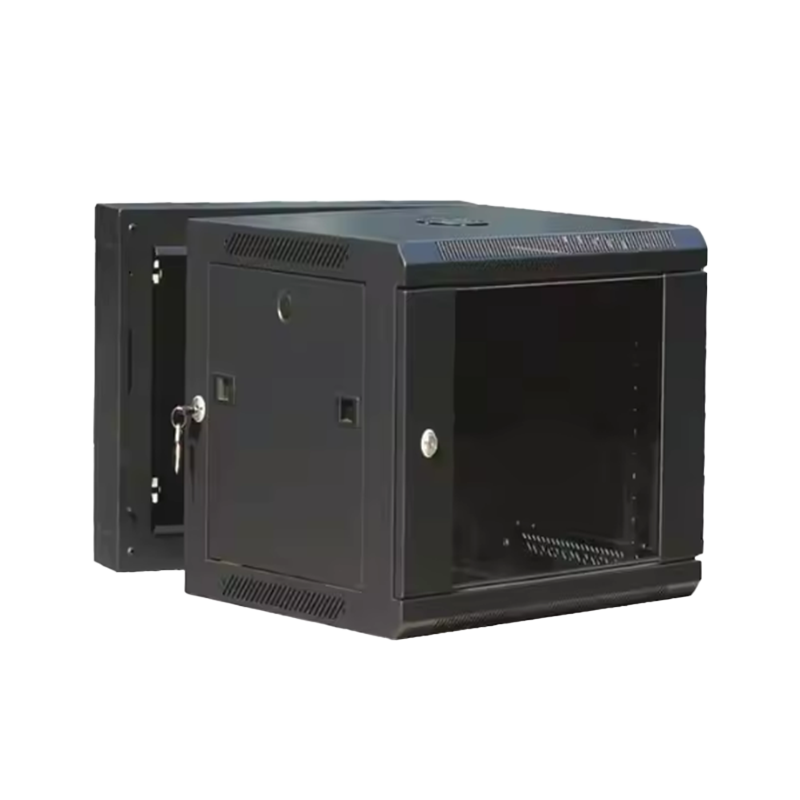
A swing-out frame allows the entire equipment assembly to pivot away from the wall, giving full rear access without disassembly. This single feature reduces service time by up to 50% compared to fixed-frame designs where rear cable access requires partial equipment removal.
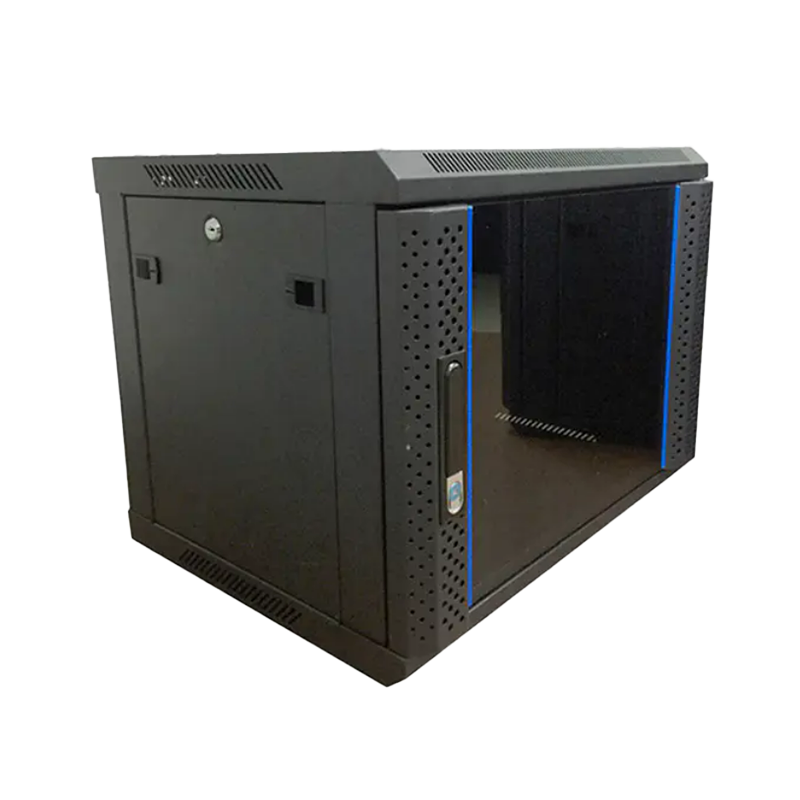
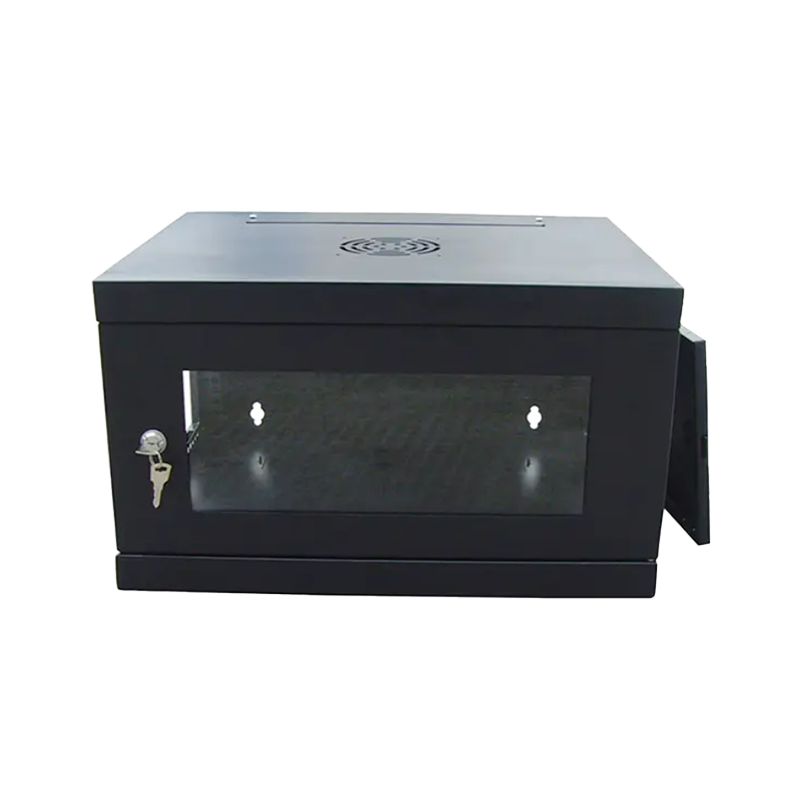
Most commercial wall mount network cabinets include a lockable glass or vented steel door. For higher-security environments, a three-point locking mechanism provides additional tamper resistance. Transparent or smoked glass doors allow LED status indicator visibility without opening the cabinet — useful in shared workspaces.
Side cable entry knockouts, internal vertical cable managers, and anchor points for cable ties are standard in well-designed units. A small network equipment wall cabinet with proper internal routing reduces patch cable congestion and significantly speeds up IMAC work (installation, moves, additions, changes).
Even a well-specified wall mount network cabinet underperforms if installation is poorly planned. The following guidelines protect the efficiency gains from day one:
The space savings from switching to a wall mounted server network cabinet are immediate, but additional operational efficiency continues to accumulate over the product's service life. The chart below illustrates how cumulative gains — from reduced maintenance time, shorter cable runs, and recovered floor area — grow over a five-year period for a typical small office deployment.
Standard wall mount cabinets meet the needs of most installations, but larger enterprises, system integrators, and infrastructure contractors often benefit from custom configurations. OEM and ODM services allow buyers to specify:
Working with a manufacturer that offers both OEM and ODM services ensures that the finished wall mount network cabinet is engineered to exact load, thermal, and form-factor requirements — rather than adapted from a standard product that only partially fits the installation.
Ningbo Cixi Communication Technology Co., Ltd., established on February 2, 2024 and located in Ningbo City, Zhejiang Province, China, is a company focusing on the design, research and development, production, and trade of network cabinets and charging cabinets. We are committed to providing reliable services and products by leveraging advanced equipment and manufacturing technology.
We offer comprehensive solutions for communication equipment infrastructure, providing one-stop services for the installation of network communication equipment and charging needs. We continuously pursue transformation and upgrading, not only emphasizing product safety but also focusing on product intelligence, striving to provide customers with smarter, more convenient, and efficient solutions.
As a professional OEM Wall Mount Network Cabinet Manufacturer and ODM Wall Mount Network Cabinet Company, our products feature safety, reliability, intelligence, efficiency, and ease of operation. With our in-house design team, we provide professional OEM/ODM services to meet various needs across network data centers, enterprise offices, public transportation hubs, commercial premises, and personal residences.
As a startup company, we prioritize technological innovation and quality management. With a passionate and creative team, we are dedicated to integrating the latest technology into our products to create greater value for customers. Whether you are an enterprise customer or an individual user, Ningbo Cixi Communication Technology Co., Ltd. will wholeheartedly provide you with quality products and services, collaborating with you to build a better future together.
Q1: How much weight can a wall mount network cabinet safely hold?
Most standard wall mount network cabinets are rated for static loads of 60 to 100 kg, depending on the unit size and frame construction. Always verify the rated load capacity against the total weight of all intended equipment, and confirm that the wall structure — studs, concrete, or masonry — is anchored appropriately for the specified load.
Q2: What is the difference between a wall mounted server network cabinet and a standard wall enclosure?
A wall mounted server network cabinet is specifically engineered for active network and server equipment — it includes vented panels, fan tray provisions, cable management guides, and EIA-standard 19-inch rack rails. A basic enclosure may lack proper thermal management or rack rail support, making it unsuitable for heat-generating active equipment over sustained periods.
Q3: What size small network equipment wall cabinet is right for a small office?
For small offices and home networks, a 6U to 9U small network equipment wall cabinet is typically sufficient. This size accommodates a patch panel, a managed switch, a Wi-Fi controller, and a small UPS — the core equipment of most small network deployments — while keeping the cabinet compact and unobtrusive on the wall.
Q4: Can wall mount network cabinets be used in harsh or outdoor environments?
Specialized outdoor wall mount cabinets are rated to IP54 or IP65 standards, providing protection against dust ingress and water splashing. Standard indoor cabinets are not designed for outdoor use. For installations in environments with high humidity, dust, or temperature extremes, specify a cabinet with the appropriate ingress protection (IP) rating for the specific conditions.
Q5: Is OEM or ODM customization available for wall mount network cabinets?
Yes. Manufacturers offering OEM and ODM services can customize cabinet dimensions, panel configurations, color finishes, integrated power options, and smart monitoring features to match specific project requirements. This is particularly valuable for system integrators and enterprises deploying network infrastructure across multiple sites with consistent technical or branding specifications.
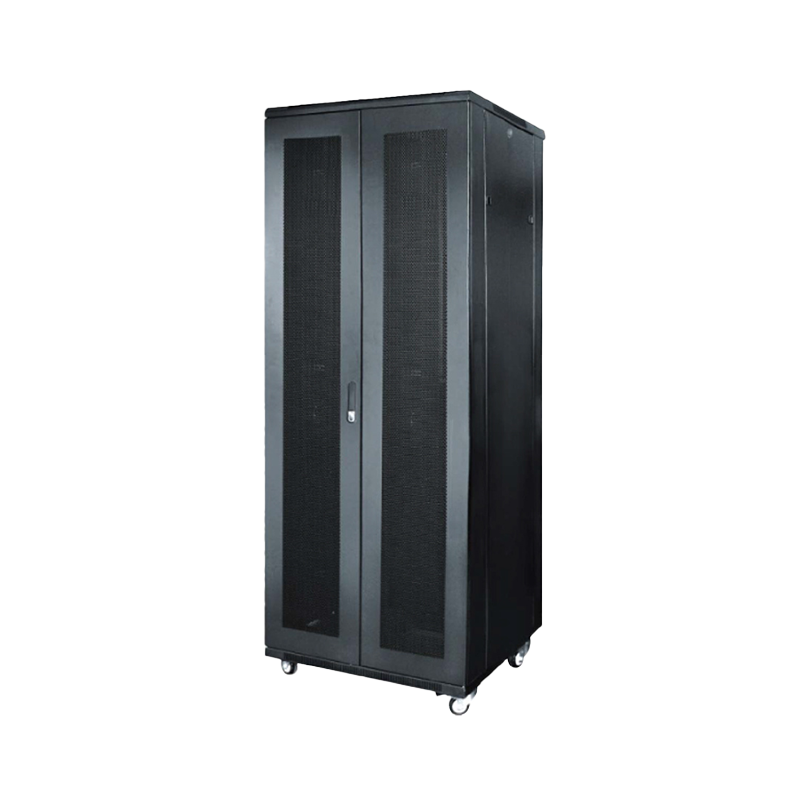
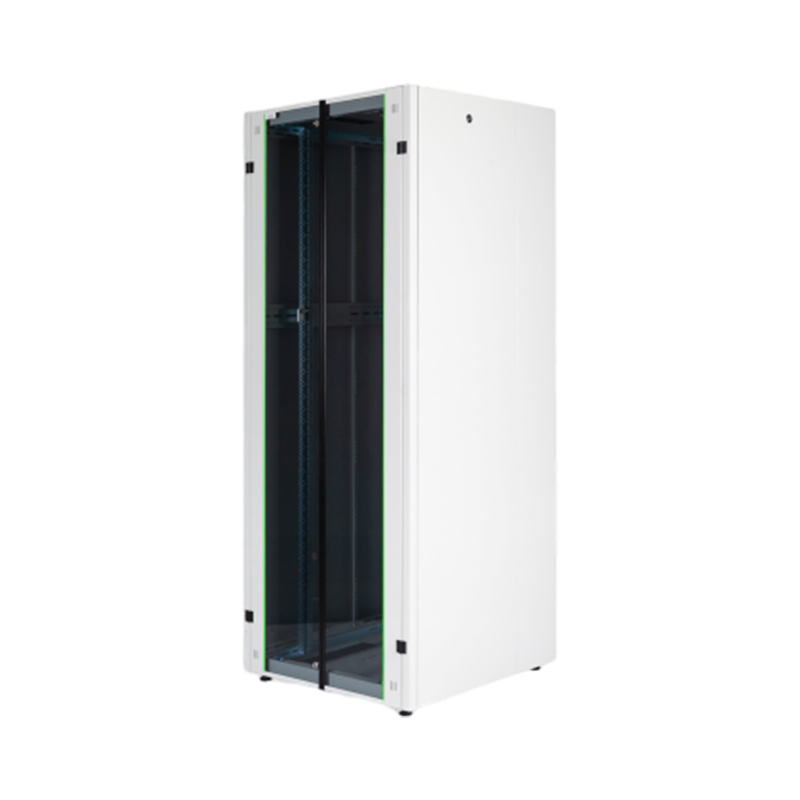
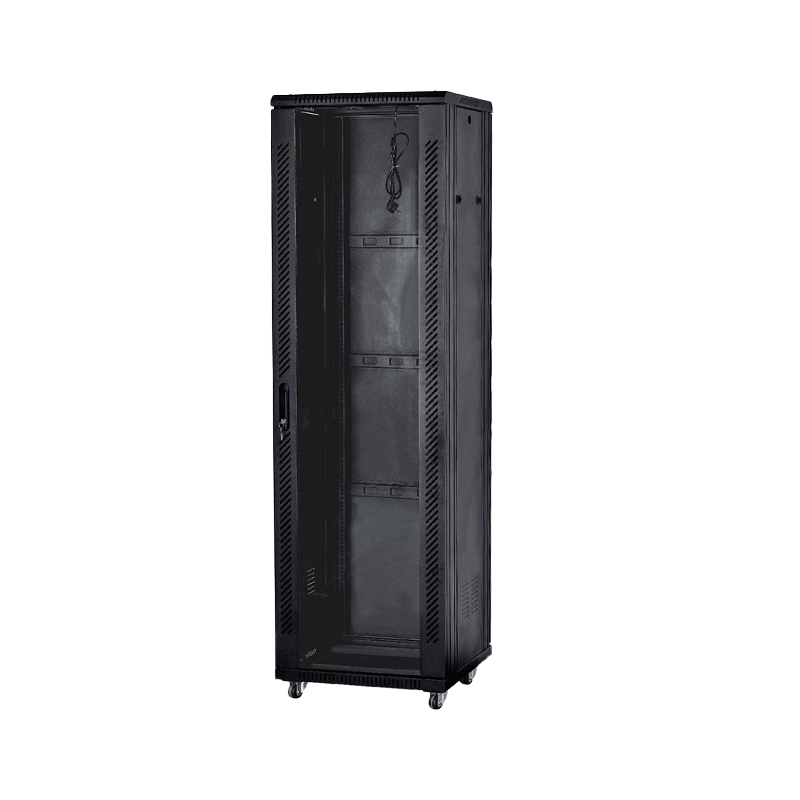
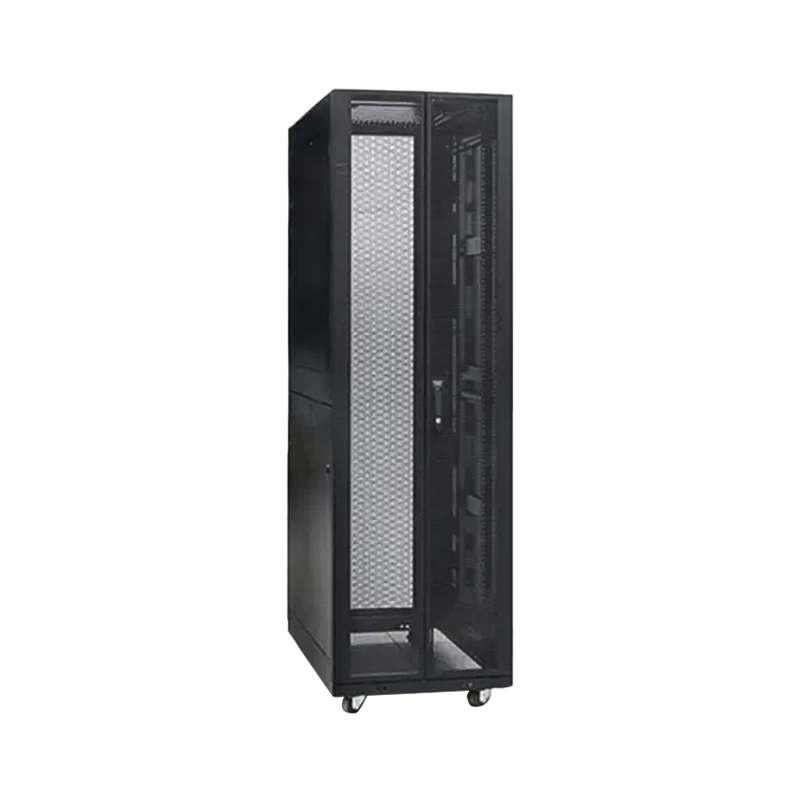
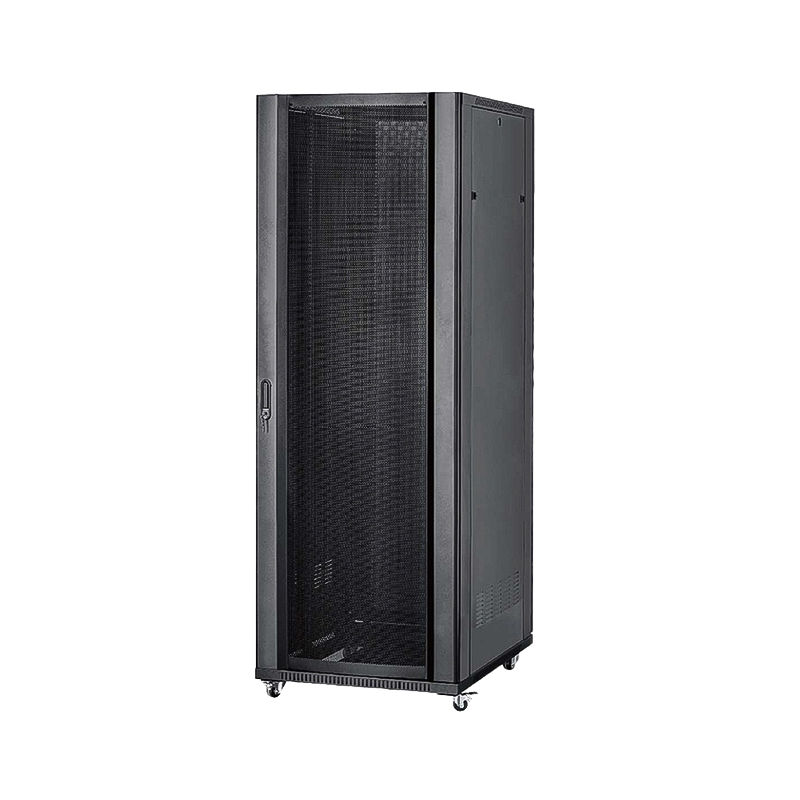
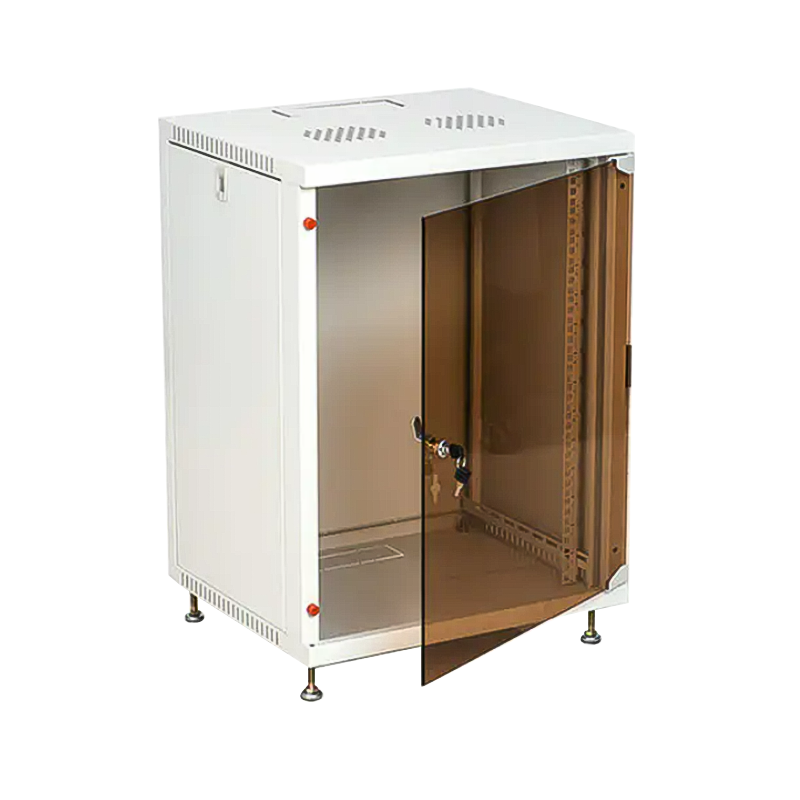
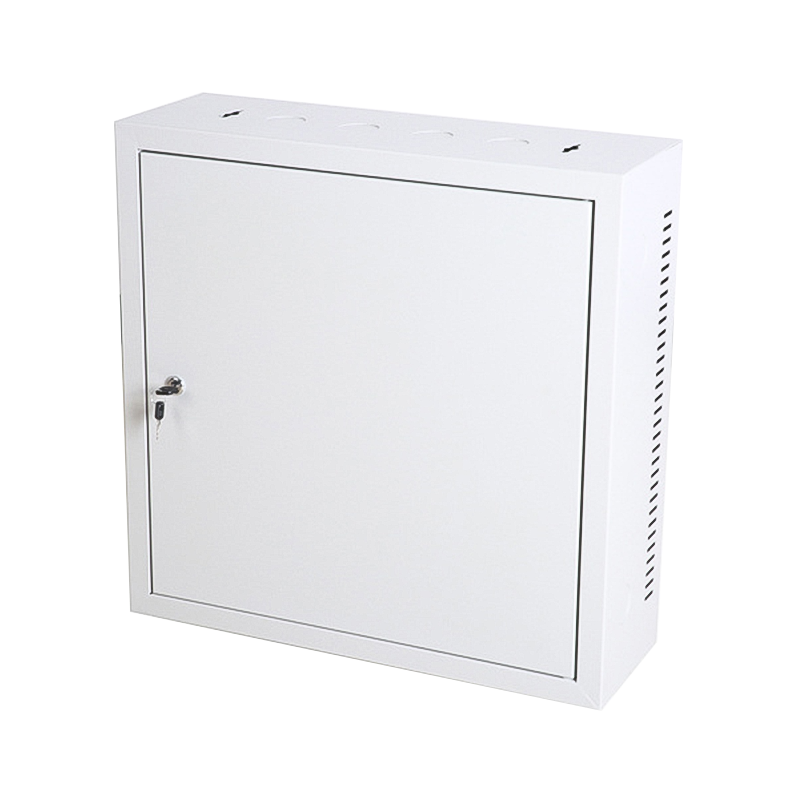
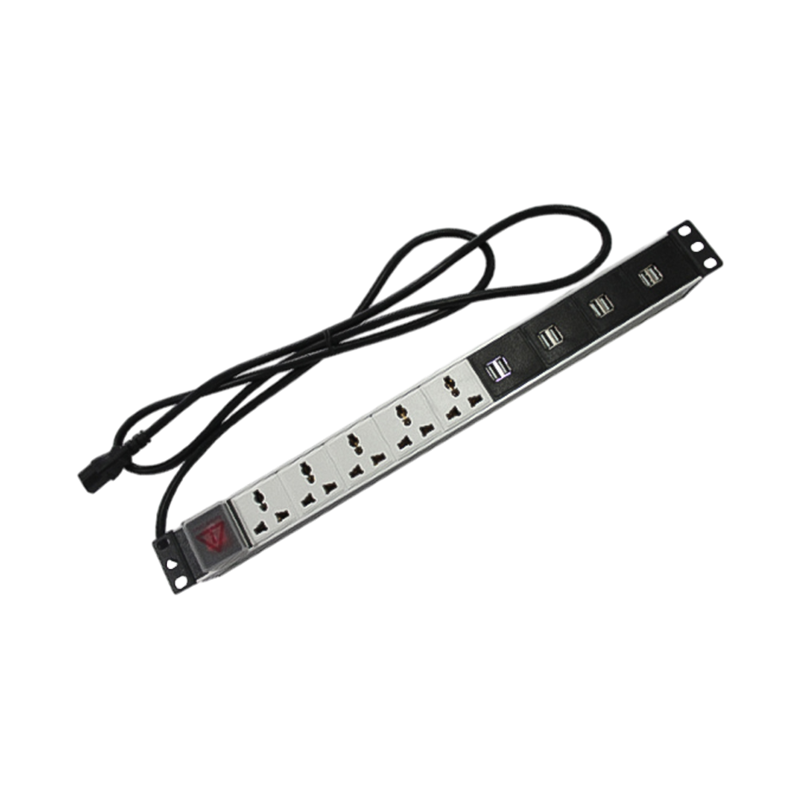

We are a company mainly engaged in the manufacturing of network cabinet , charging cart and other infrastructures.
Product Classification
Address
No.12 Fushan Road,Guanhaiwei Town,Cixi City,Ningbo,Zhejiang,China
PHONE
+86-17857397994

 English
 عربى
عربى
 Español
 русский