As businesses and homes rely more on stable internet and network systems, proper equipment organization has become more important than ever. A network cabinet is not just a storage box for hardware. It plays a key role in protecting devices, improving airflow, and keeping network installations clean and secure. In this article, we explain what a network cabinet is and why it matters.
Content
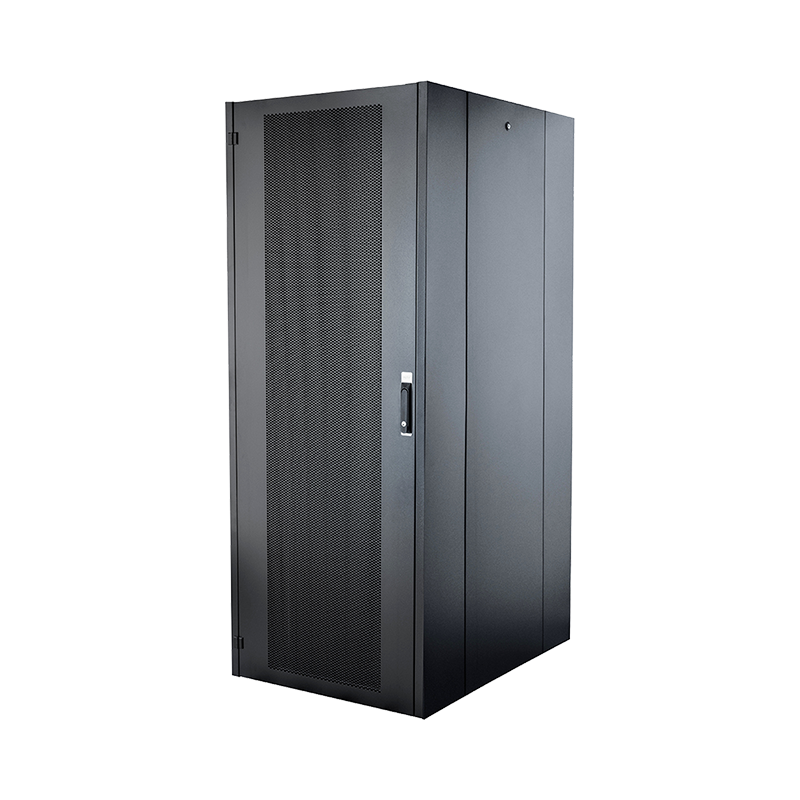
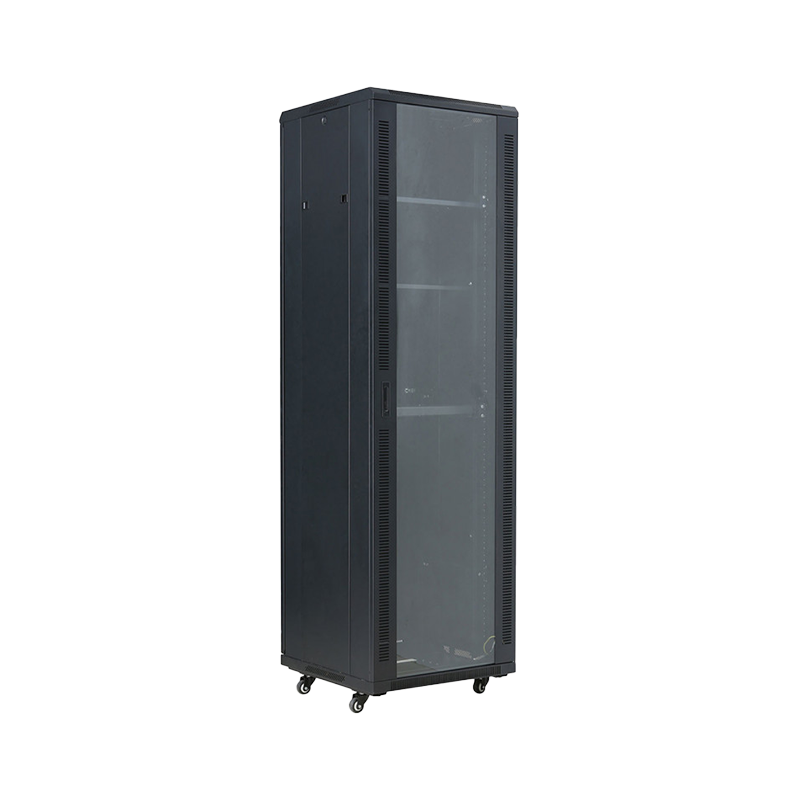
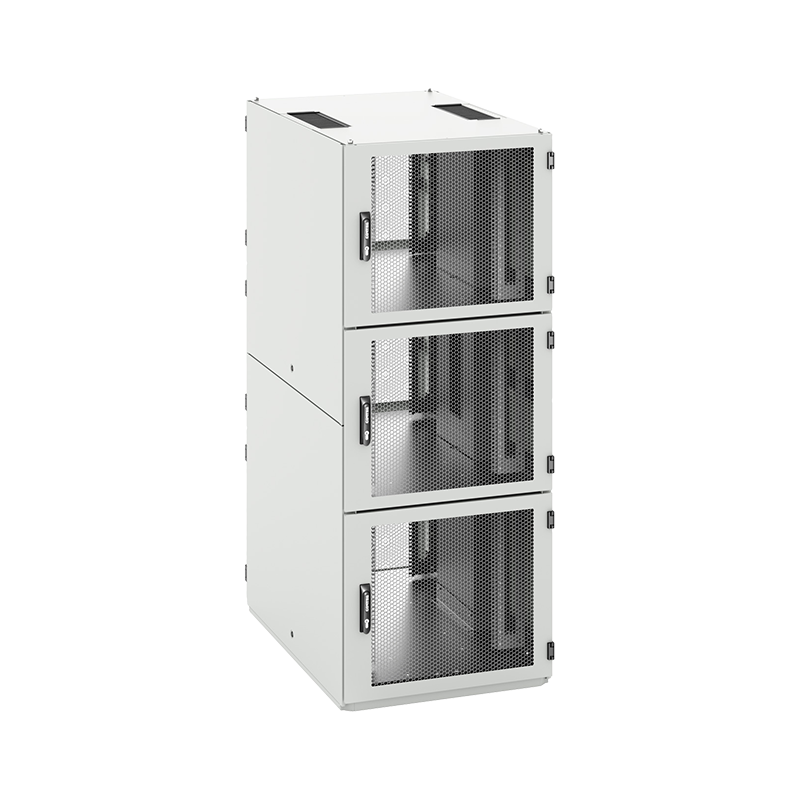
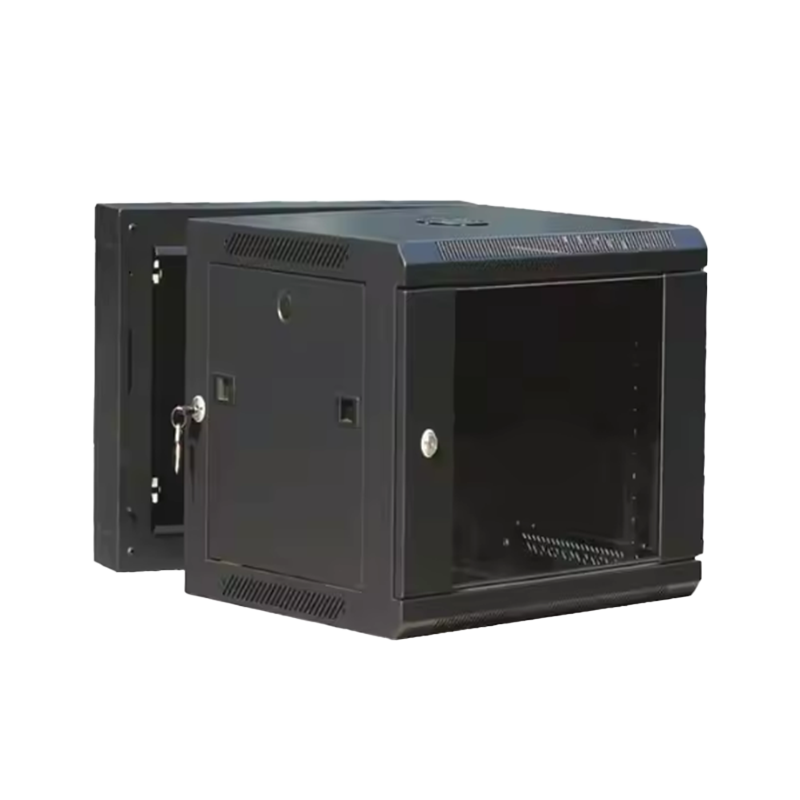
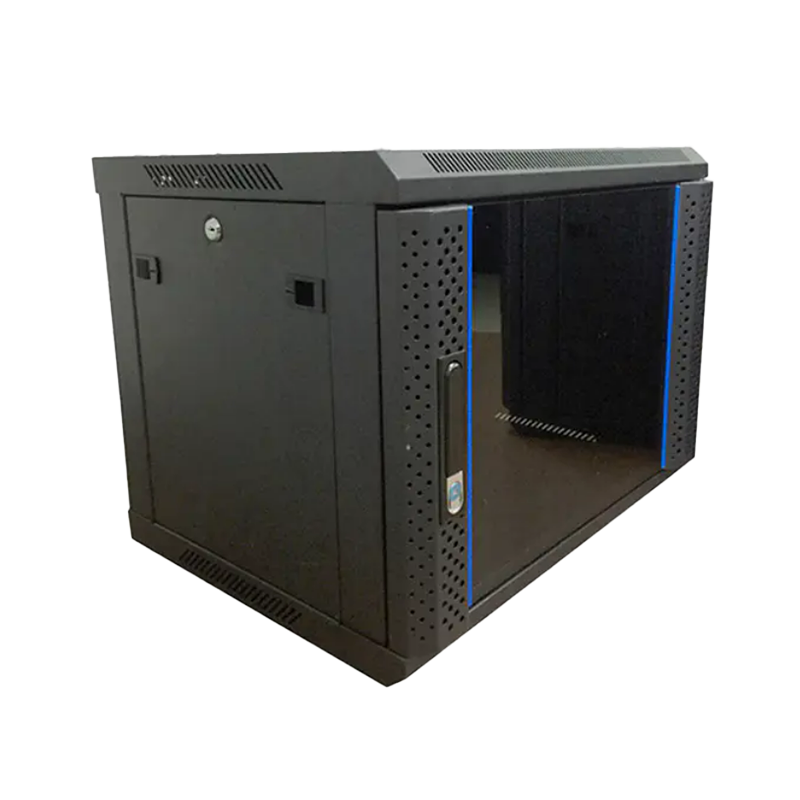
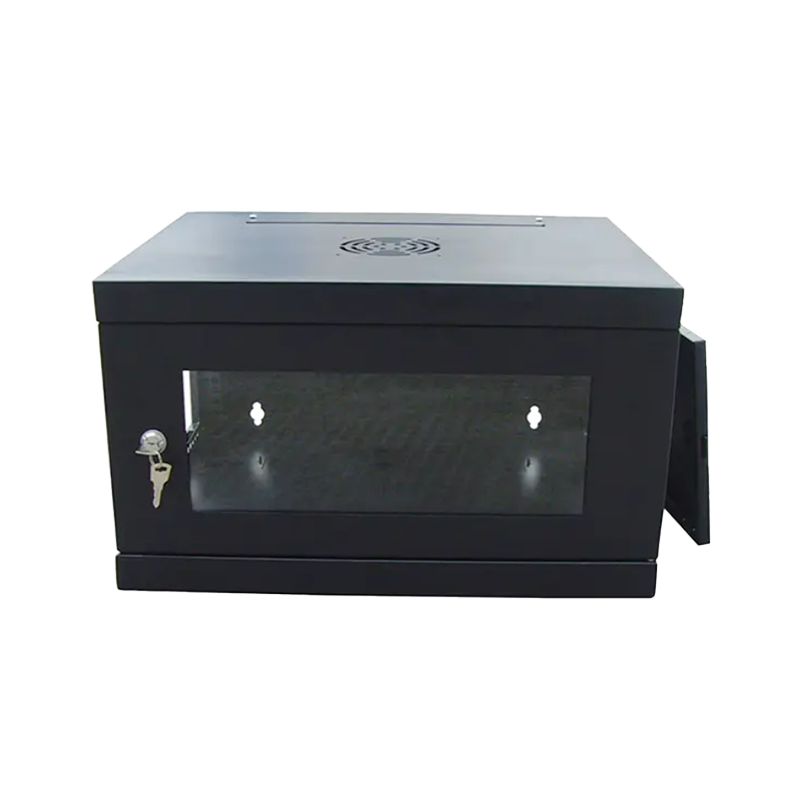
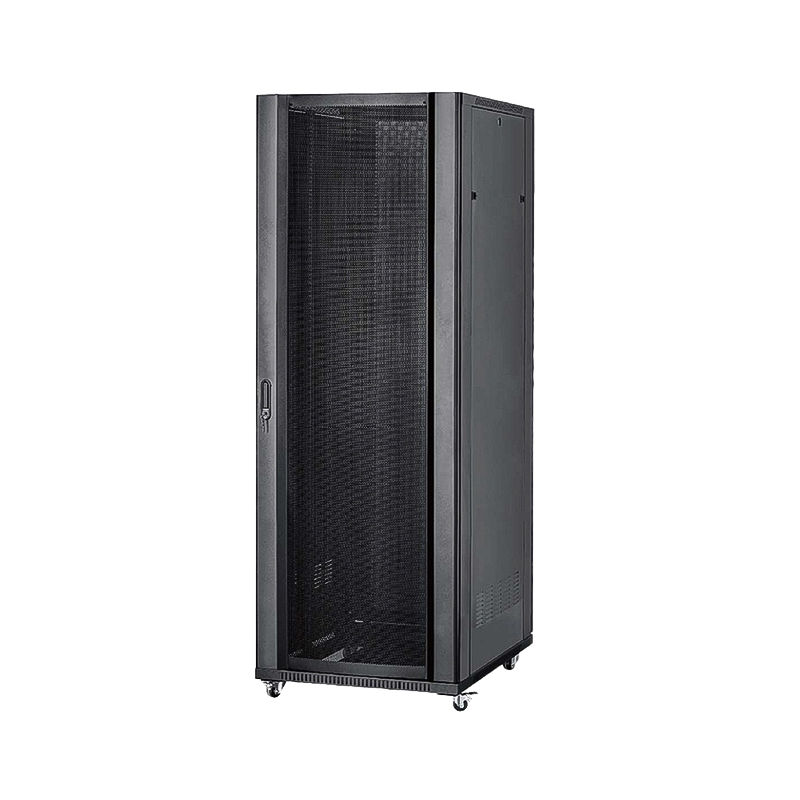
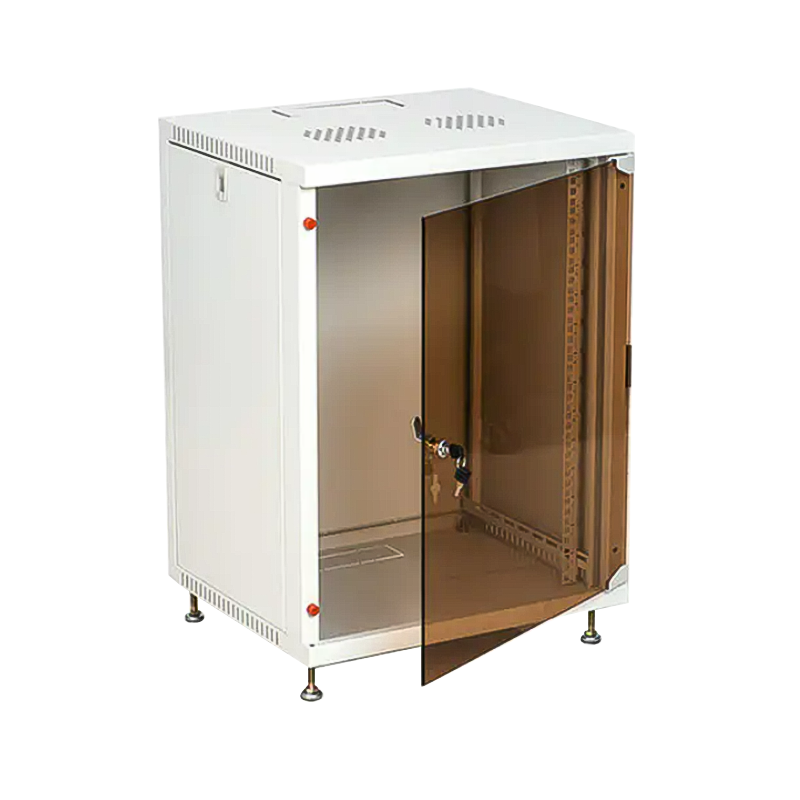
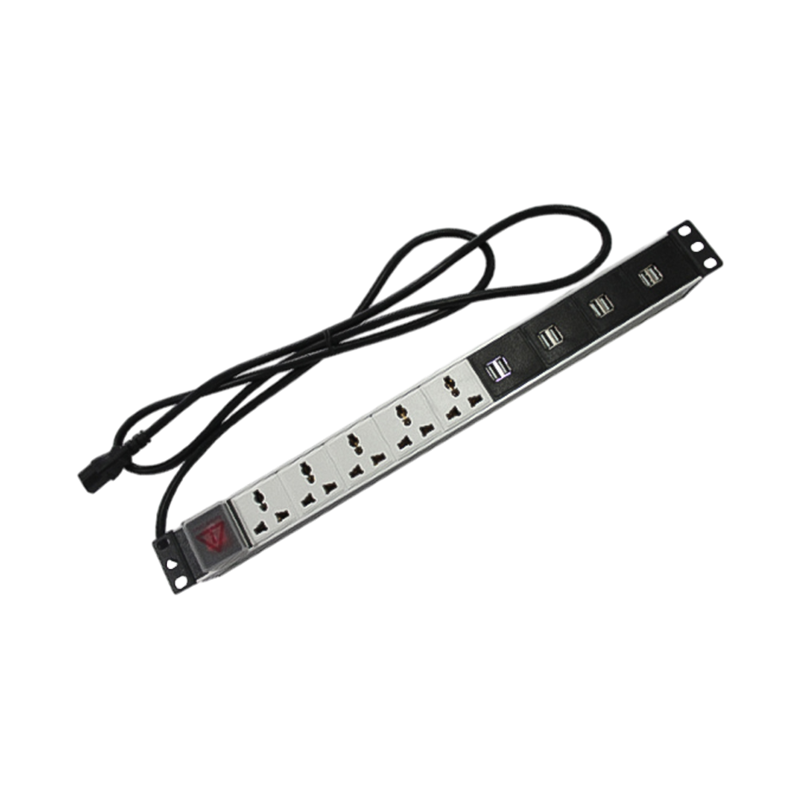
A network cabinet is a metal enclosure designed to store and organize network equipment such as servers, switches, routers, patch panels, and power distribution units. It helps keep all devices in one secure and structured space.
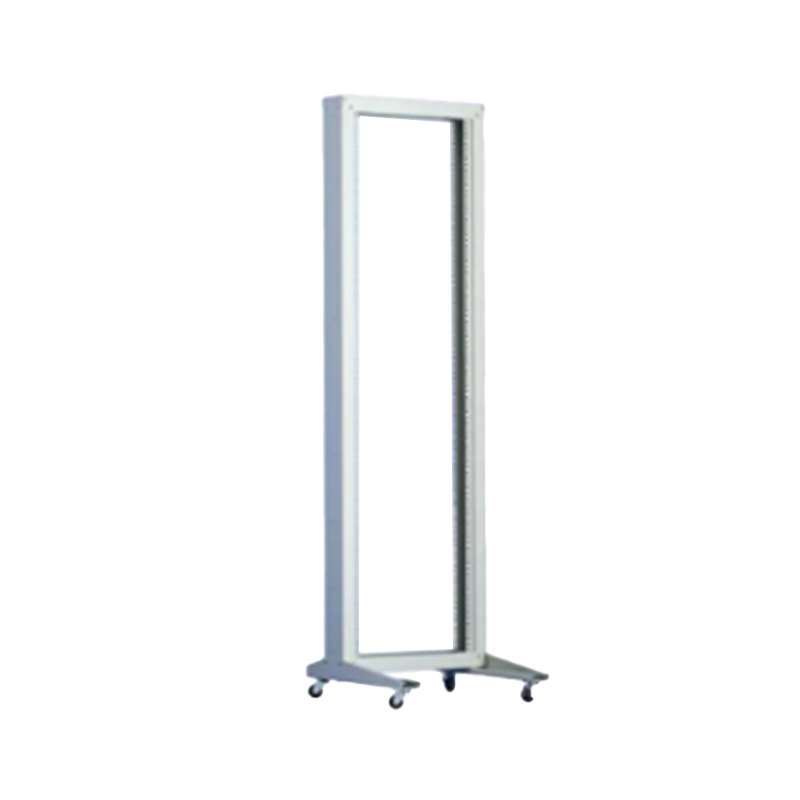
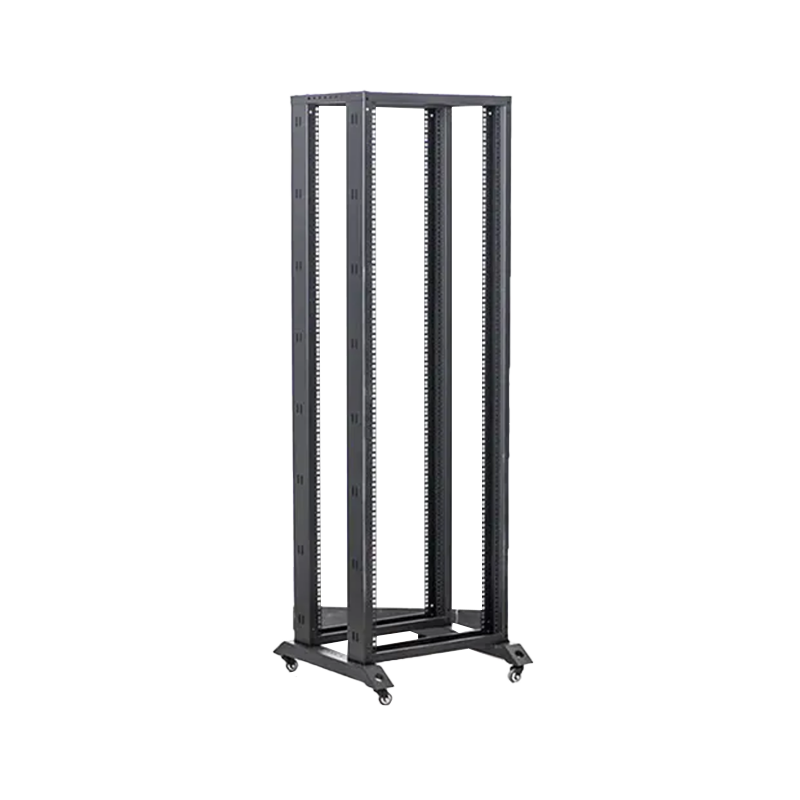
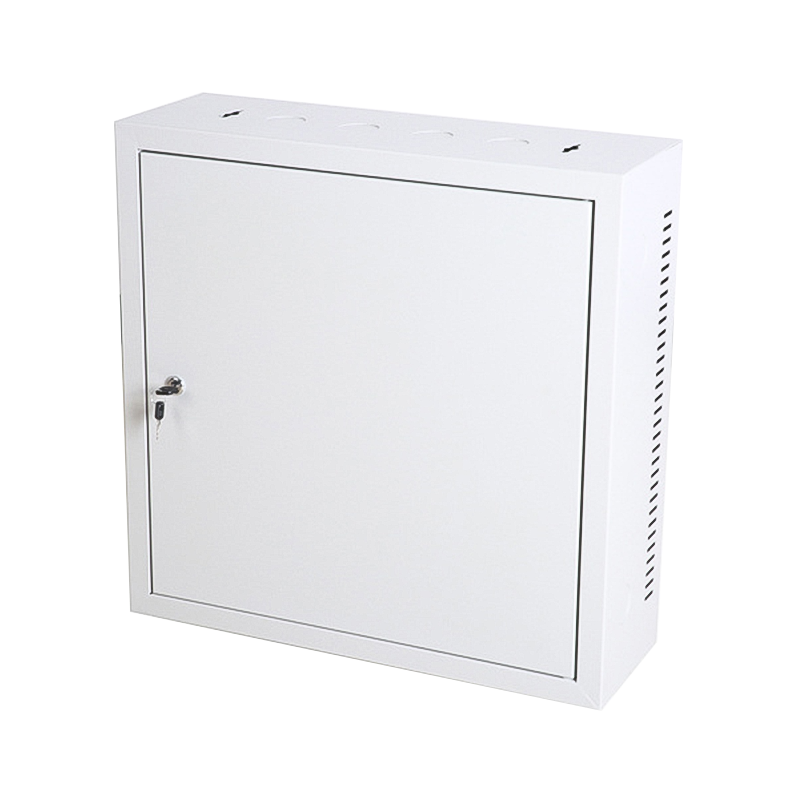
Unlike open racks, cabinets usually include doors, side panels, and locking systems. This provides better protection against dust, physical damage, and unauthorized access.
One major benefit is equipment protection. Network hardware is sensitive to dust, moisture, and accidental contact. A cabinet creates a controlled environment that reduces these risks.
Another advantage is better cable management. With built-in rails and routing paths, a network cabinet helps organize cables neatly. This makes maintenance easier and improves airflow inside the cabinet.
Security is also a key factor. Lockable doors prevent unauthorized access and help protect valuable IT assets in offices, data rooms, and public spaces.
Network cabinets are widely used in offices, data centers, schools, hospitals, retail stores, and industrial control rooms. They are also popular in smart homes and small server rooms where space is limited.
Wall-mounted cabinets are often used for smaller installations, while floor-standing cabinets are suitable for larger network systems with multiple devices.
Size and capacity are the first factors to check. The cabinet should have enough space to support current equipment and future expansion.
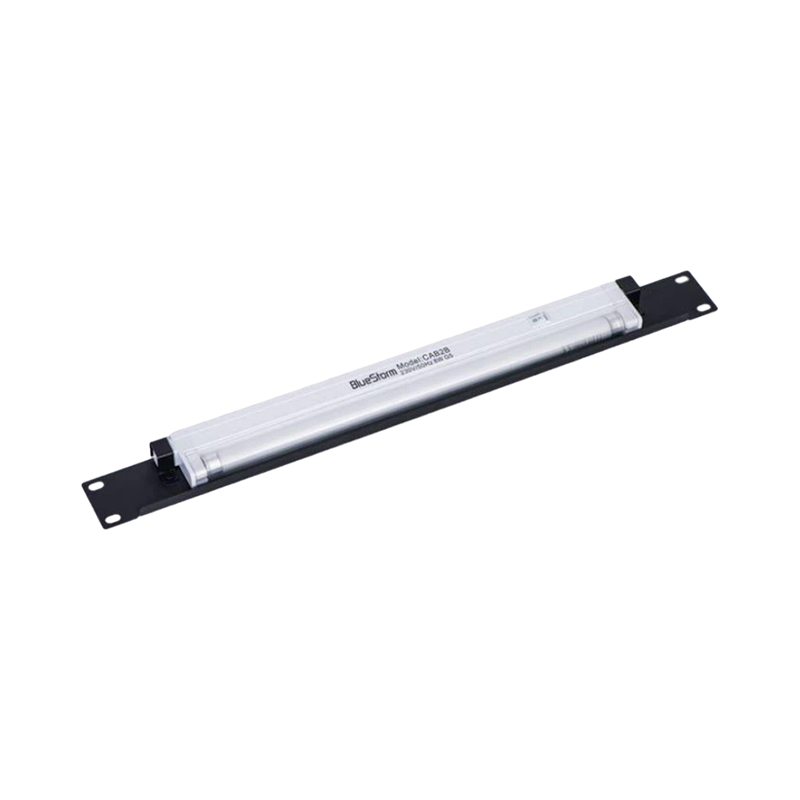
Ventilation and cooling options are also important. Look for cabinets with fan mounting positions or perforated doors to improve airflow.
Load capacity, door type, and accessibility should match your installation requirements and maintenance needs.
For most IT environments, the answer is yes. A network cabinet improves organization, safety, and system reliability. It also helps reduce downtime caused by overheating or cable issues.
If you want a cleaner, safer, and more professional network setup, investing in a quality network cabinet is a smart and practical decision.
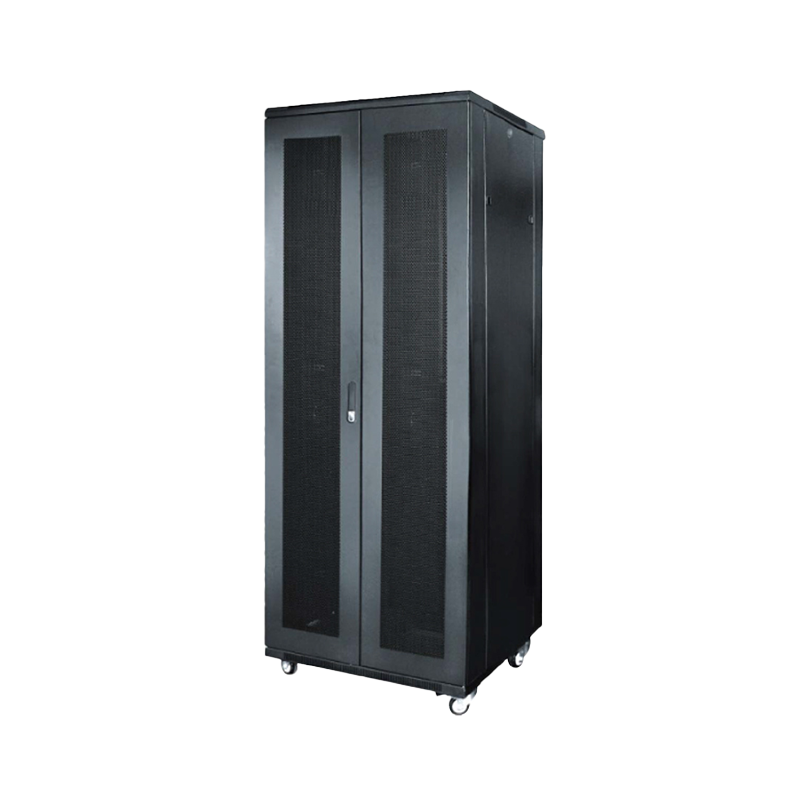
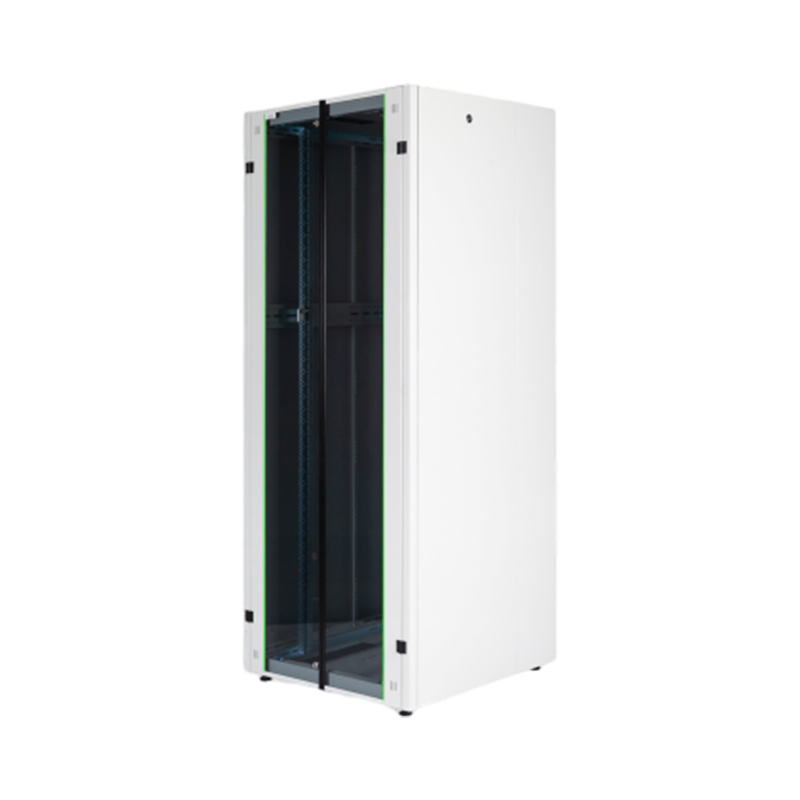
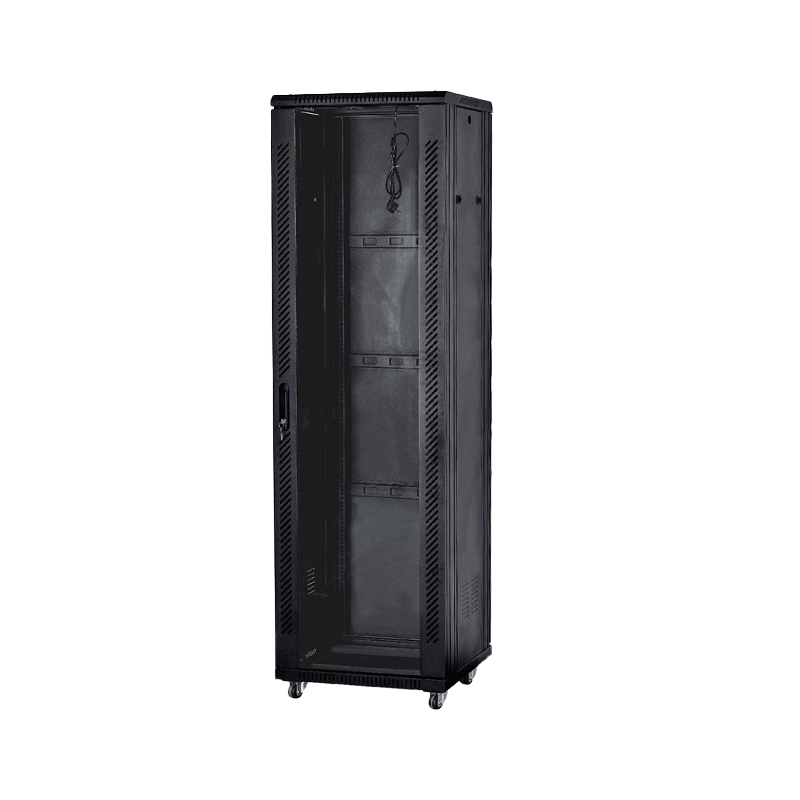
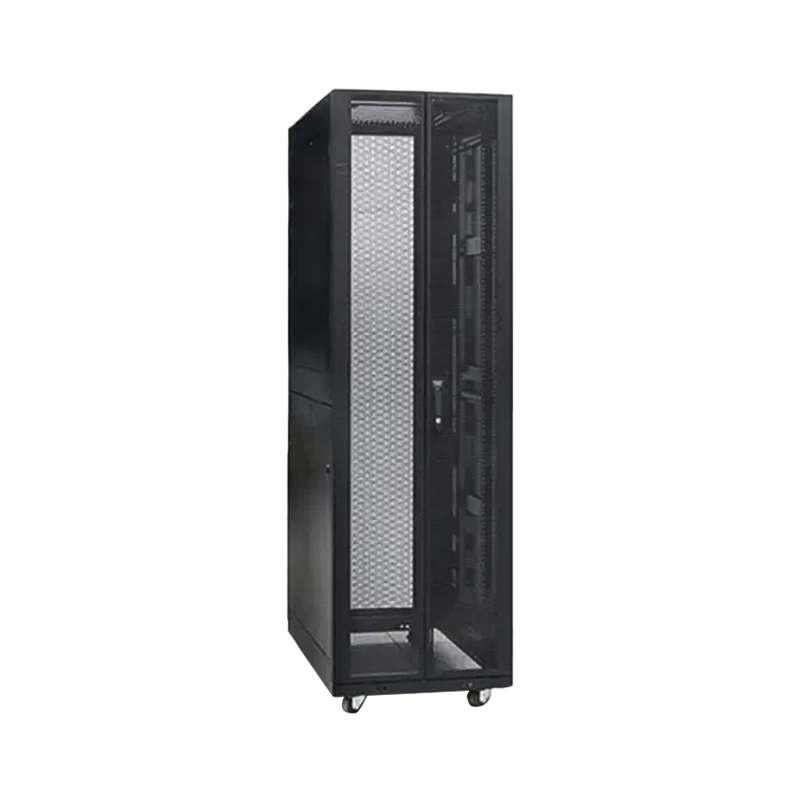


We are a company mainly engaged in the manufacturing of network cabinet , charging cart and other infrastructures.
Product Classification
Address
No.12 Fushan Road,Guanhaiwei Town,Cixi City,Ningbo,Zhejiang,China
PHONE
+86-17857397994

 English
 عربى
عربى
 Español
 русский