In the IT infrastructure of modern businesses, the management and protection of network equipment are crucial. As businesses expand, data traffic increases, and technology equipment is constantly upgraded, ensuring the secure and stable operation of this network equipment has become a critical task. So, how can you better manage and protect your network equipment? The answer is: a network cabinet.
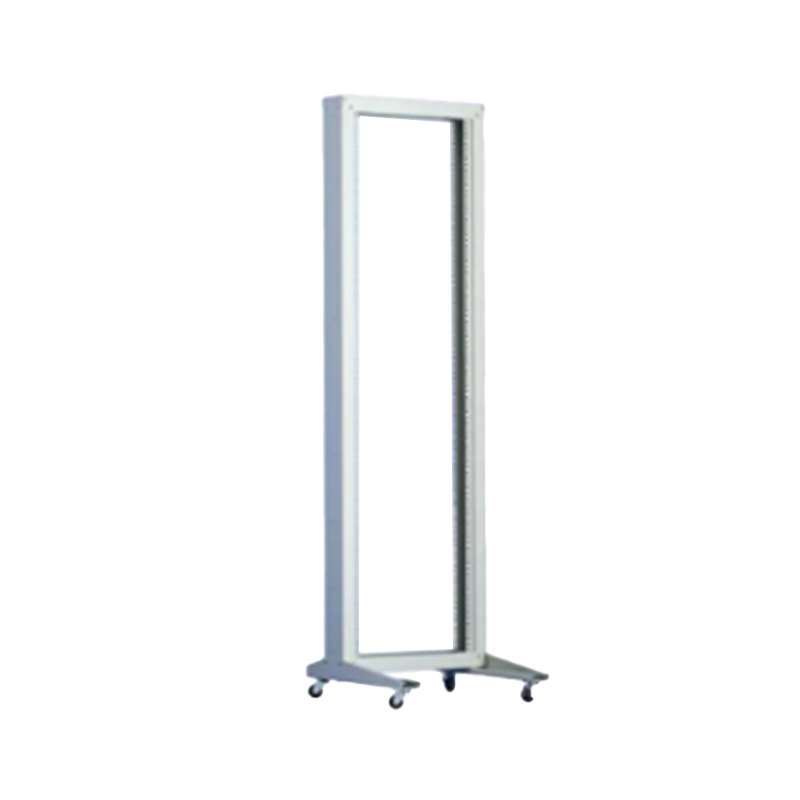
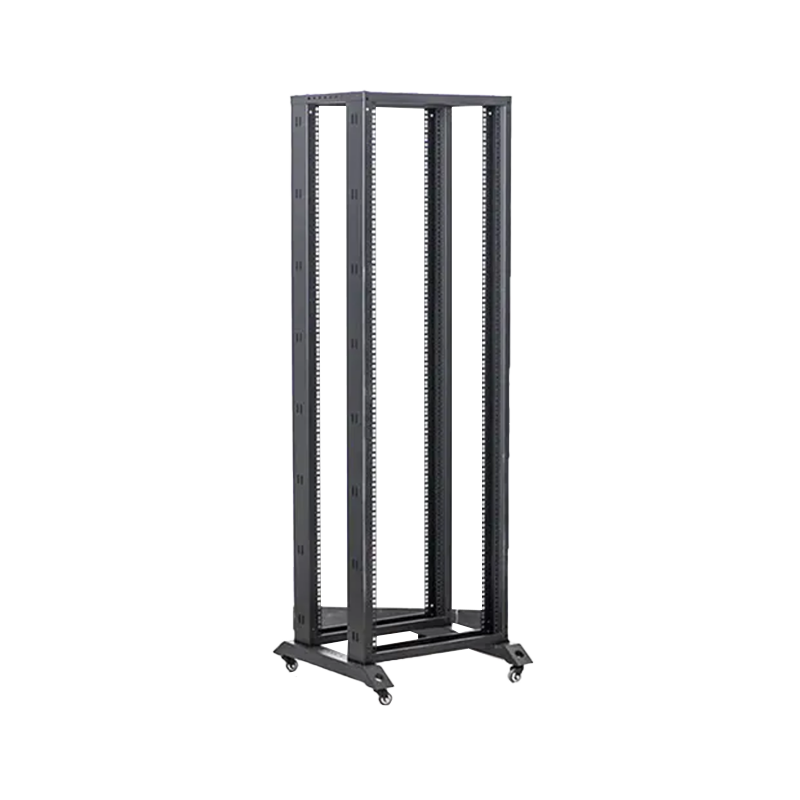
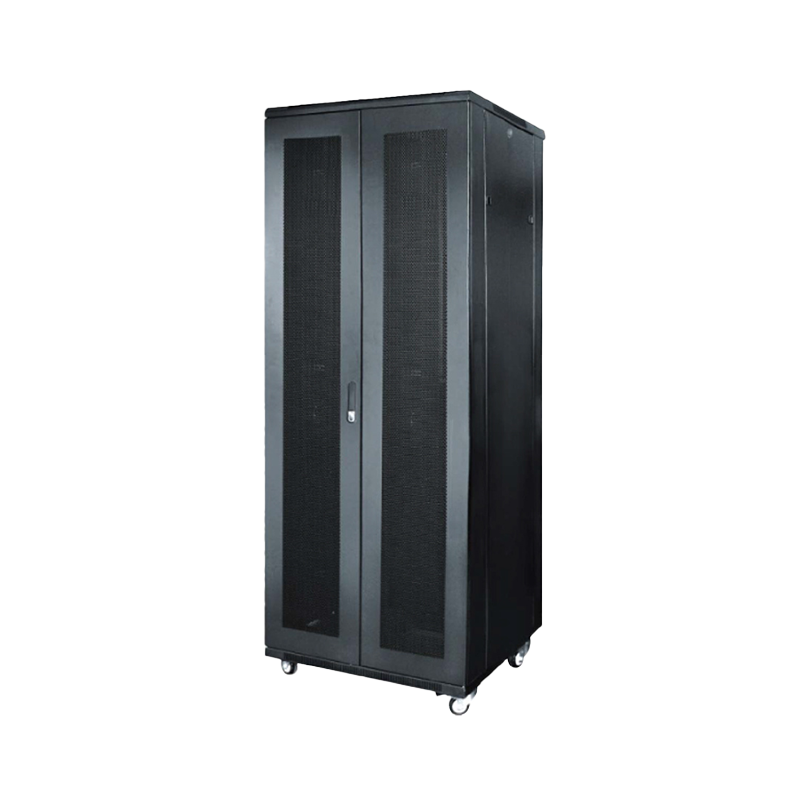
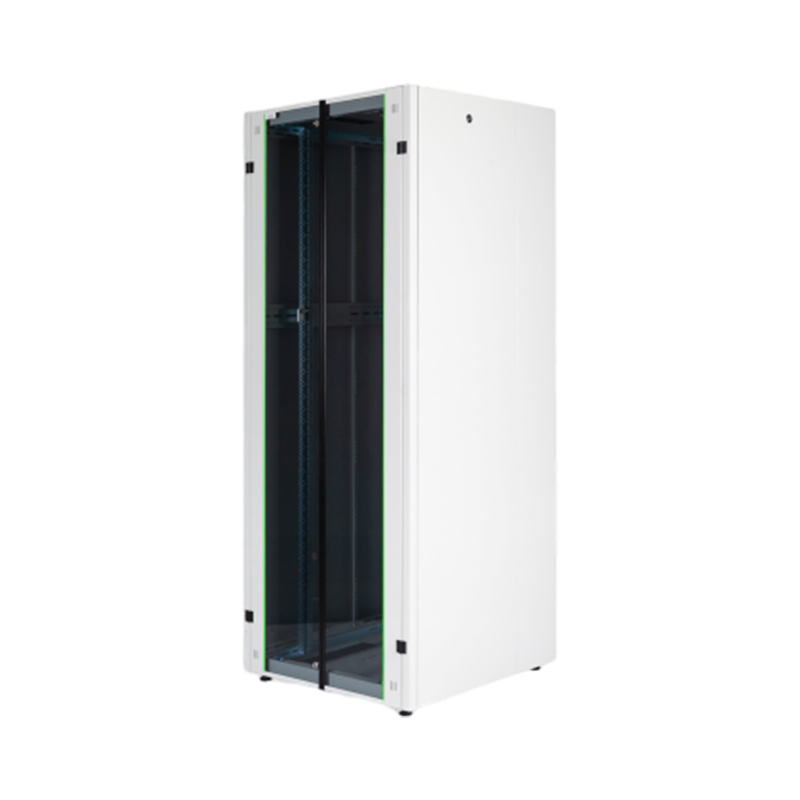
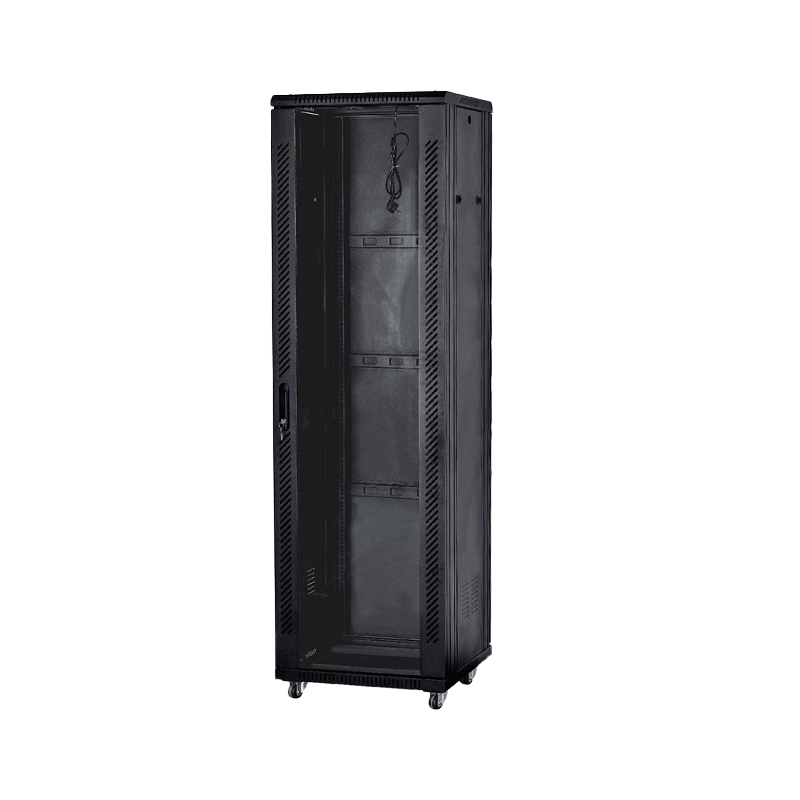
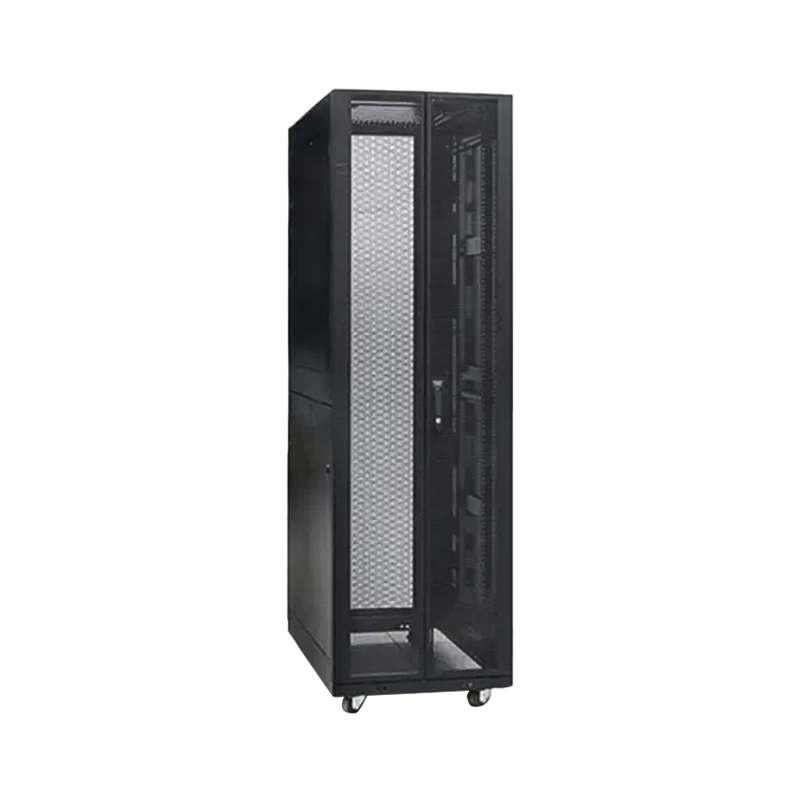
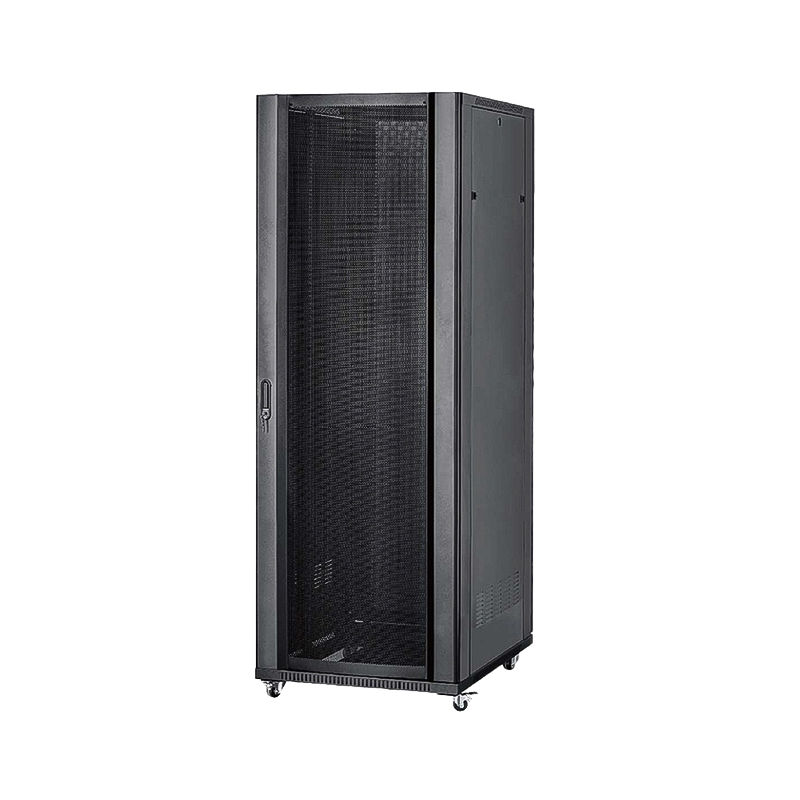
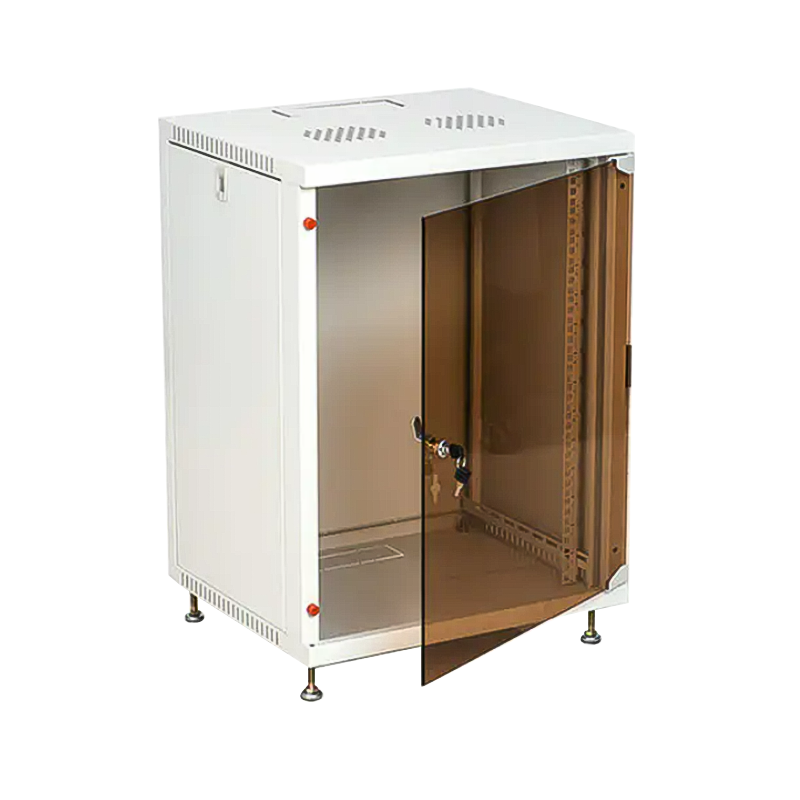
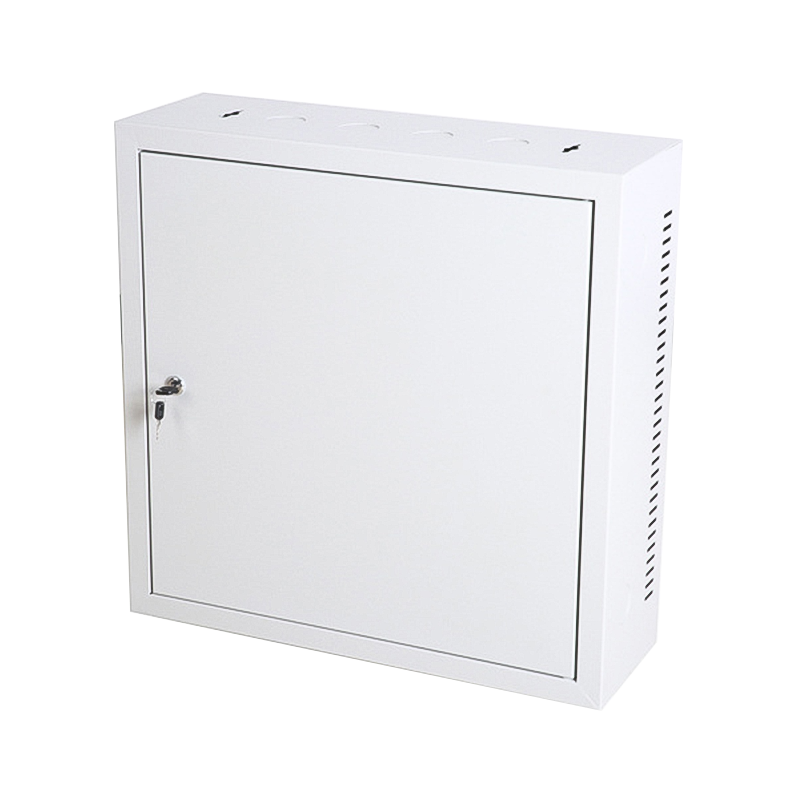
A network cabinet is an enclosed storage unit specifically designed to house network equipment (such as switches, routers, servers, etc.). It not only provides physical protection for the equipment but also helps improve network security, organization, and maintainability. So, why do you need a network cabinet?
1. Protects equipment from physical damage
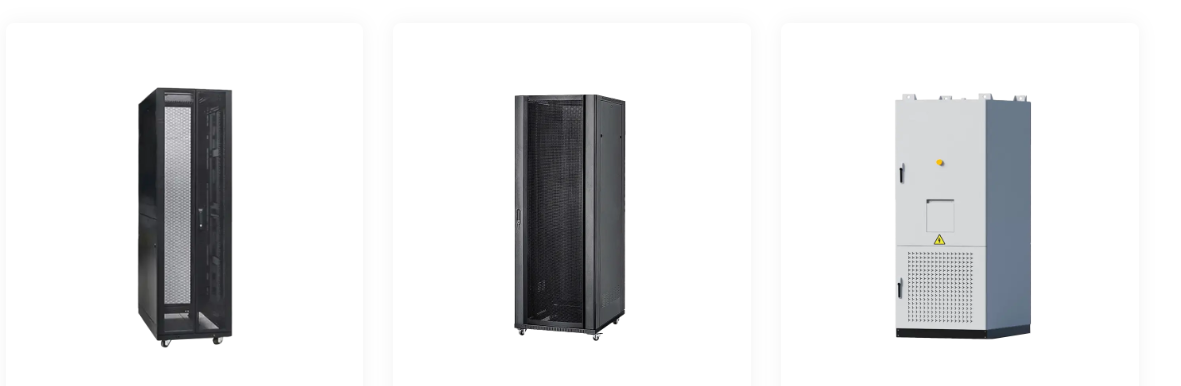
Network equipment typically contains many important hardware components that are very sensitive to the external environment. Dust, moisture, or accidental collisions can all lead to equipment failure. A network cabinet provides physical protection for this equipment, preventing interference from the external environment and reducing the risk of hardware damage.
By using a network cabinet, you can ensure that your equipment is protected from external physical threats, extending its lifespan. Especially in data centers or office environments, the role of a network cabinet is crucial, effectively preventing damage to equipment due to negligence during operation.
2. Enhances network security
In addition to physical protection, network cabinets can also effectively improve network security. Many network cabinets are designed with lockable doors, allowing only authorized personnel to access the equipment inside. This significantly reduces the risk of unauthorized access or theft of equipment.
Furthermore, network cabinets can help prevent equipment overheating. Modern network cabinets are usually equipped with good ventilation and cooling systems, ensuring that the equipment operates within the ideal temperature range, thereby improving network security and equipment performance.
3. Improves equipment management efficiency
A clean and organized cabinet environment can significantly improve equipment management efficiency. When network equipment is centrally stored in a network cabinet, cabling and maintenance become much easier. You can easily identify the location of each device and quickly troubleshoot and replace equipment.
In addition, good cable management can reduce signal interference or failures caused by messy cables. Network cabinets are usually equipped with dedicated cable management systems, allowing each cable to have its own fixed path, thereby improving network stability.
4. Saves space and improves aesthetics
For some small businesses or offices, space resources may be limited. Using network cabinets can help maximize space utilization. Cabinets allow equipment to be arranged compactly, preventing network devices from occupying multiple desks or rooms. Furthermore, neat equipment storage enhances the overall aesthetics of the office or data center, leaving a more professional impression on clients or employees.
5. Compliance with Standards and Regulations
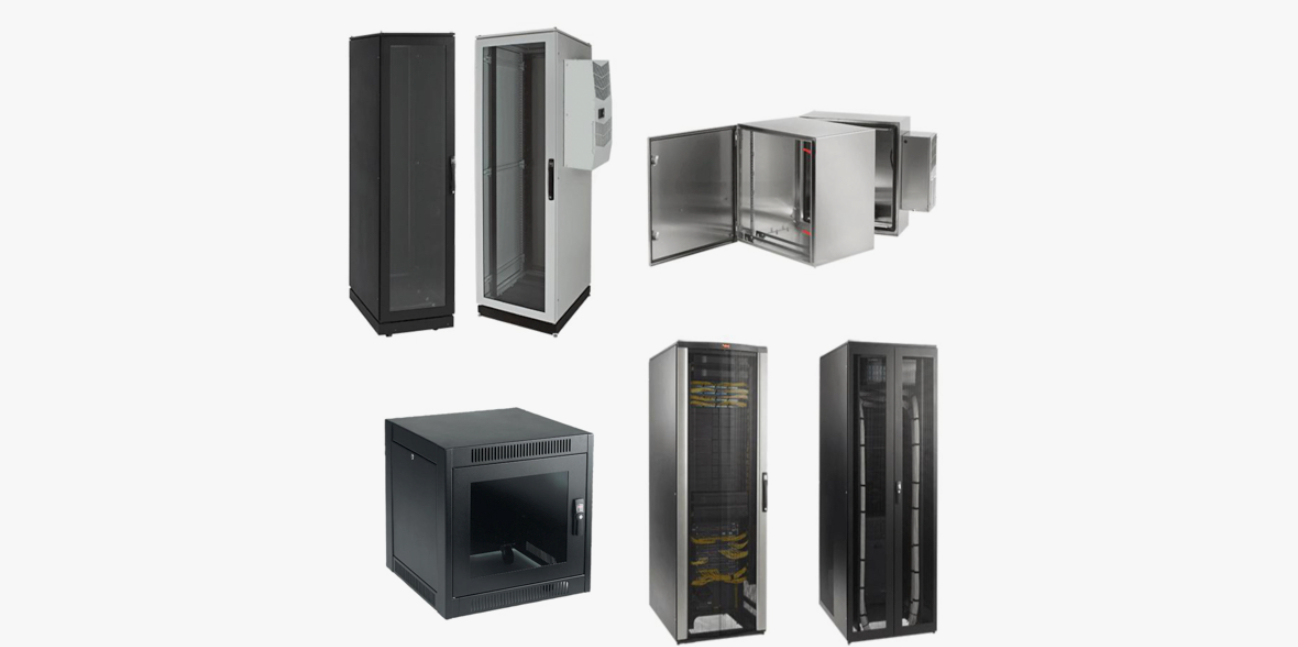
For some industries and businesses, the storage and management of network equipment is not only for convenience and aesthetics, but often also needs to comply with specific industry standards or legal regulations. Network cabinets not only help businesses meet these standards but also provide additional compliance support. For example, some network cabinets are designed to meet fire safety regulations and seismic design requirements, ensuring that equipment remains operational even in emergency situations.
6. Scalability and Flexibility of Network Cabinets
As businesses expand, their IT infrastructure also needs to grow and upgrade. Network cabinets offer excellent scalability, easily accommodating more network equipment. When you need to add more switches, servers, or storage devices, you can easily expand the existing cabinet space by adding extra racks or modules without having to rearrange the entire network environment.
This makes network cabinets an ideal choice for the long-term development of enterprise IT facilities. Whether it's a small office or a large data center, network cabinets provide flexible solutions to meet varying sizes and needs.
7. Energy Efficiency of Network Cabinets
Modern network cabinets are usually equipped with intelligent cooling systems that automatically adjust fan speed based on equipment temperature, thus saving energy. When high-load cooling is not required, the fans in the cabinet can reduce operating noise while reducing energy consumption, helping businesses lower operating costs.
With continuous technological advancements and increasing demands from businesses for network security, stability, and efficiency, network cabinets are playing an increasingly important role in modern IT infrastructure. They not only provide physical protection for equipment and enhance network security, but also improve equipment management efficiency, save space, meet compliance requirements, and offer excellent scalability.
If you are not yet using network cabinets, or your current equipment storage environment is not ideal, then it's time to consider equipping your network equipment with a high-quality network cabinet. Whether you are a small business, an office, or a large data center, a network cabinet is an essential choice for ensuring equipment safety and improving work efficiency.
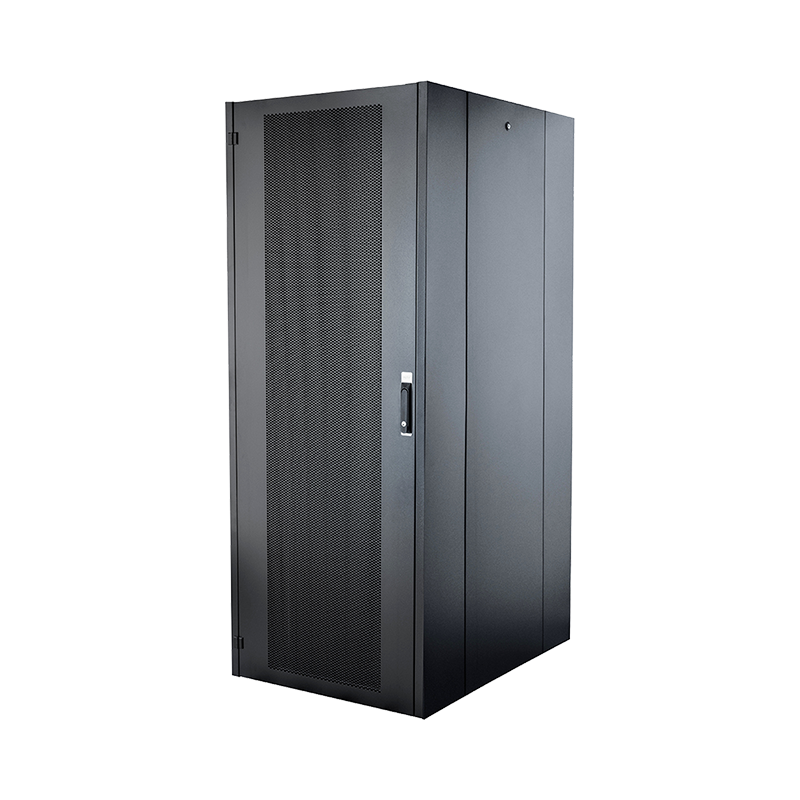
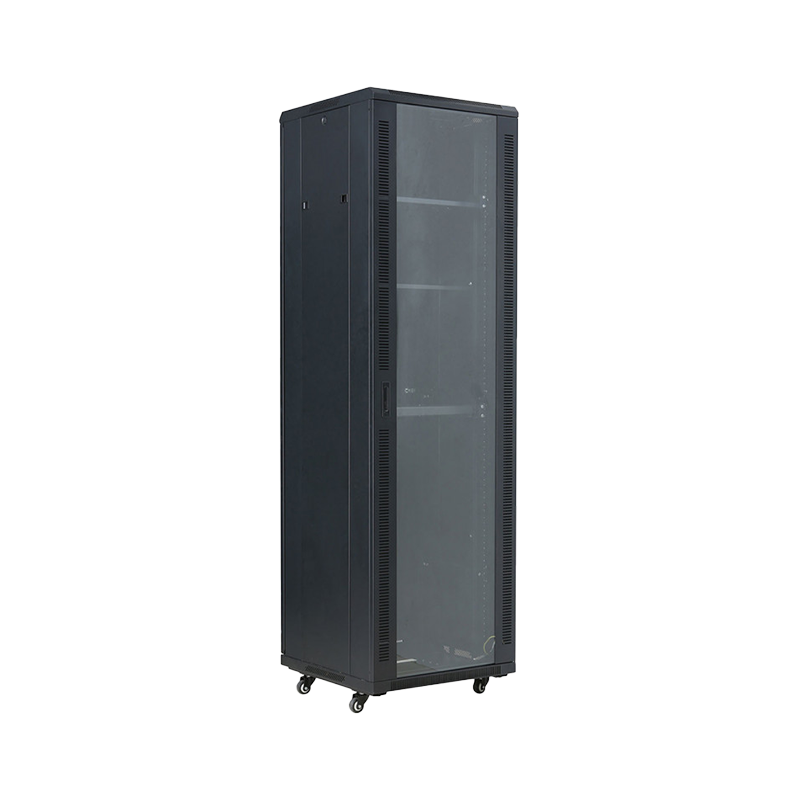
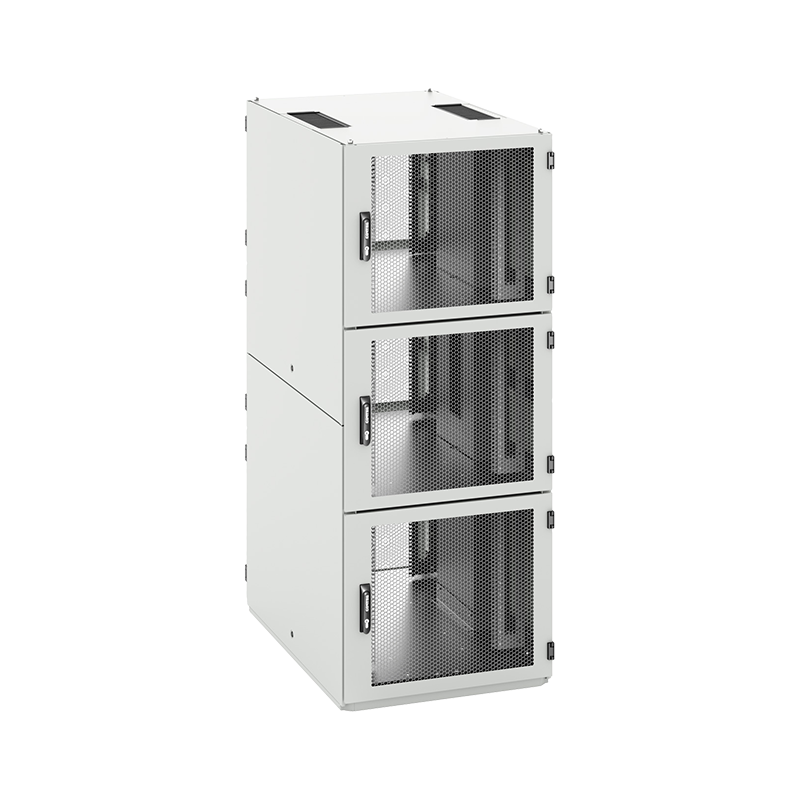
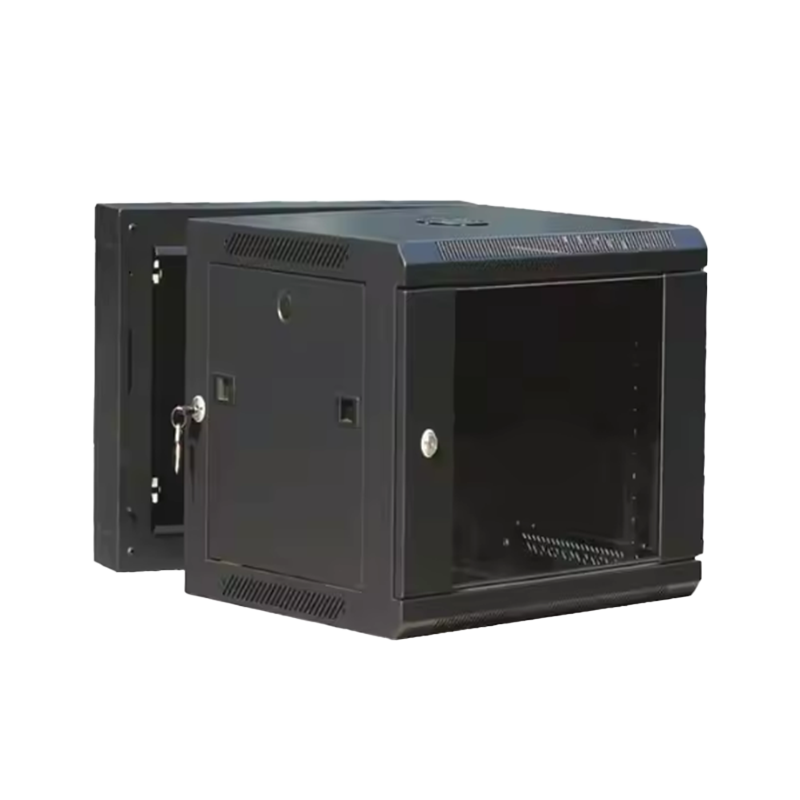
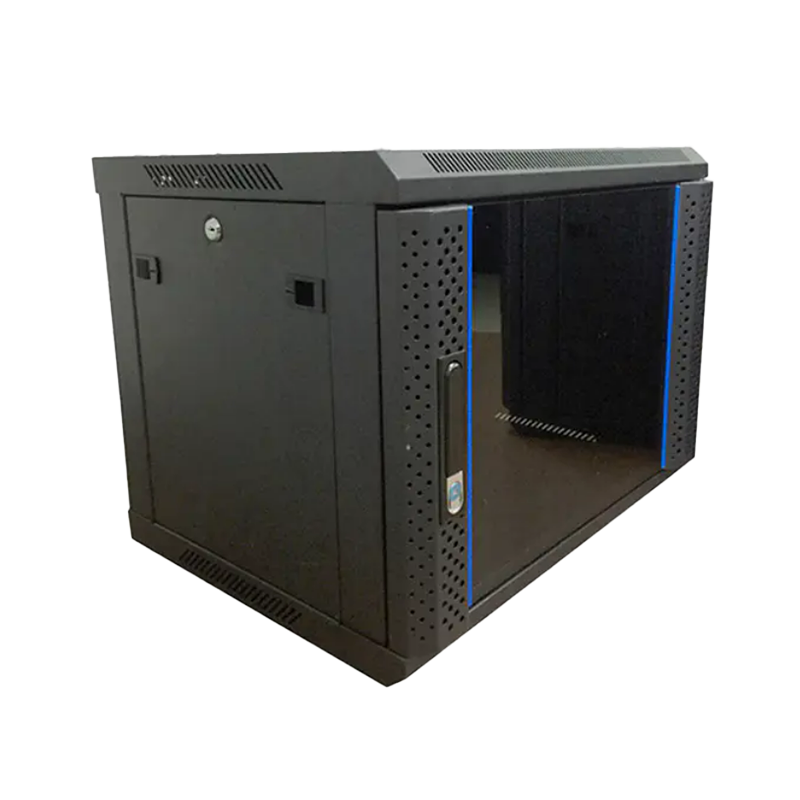
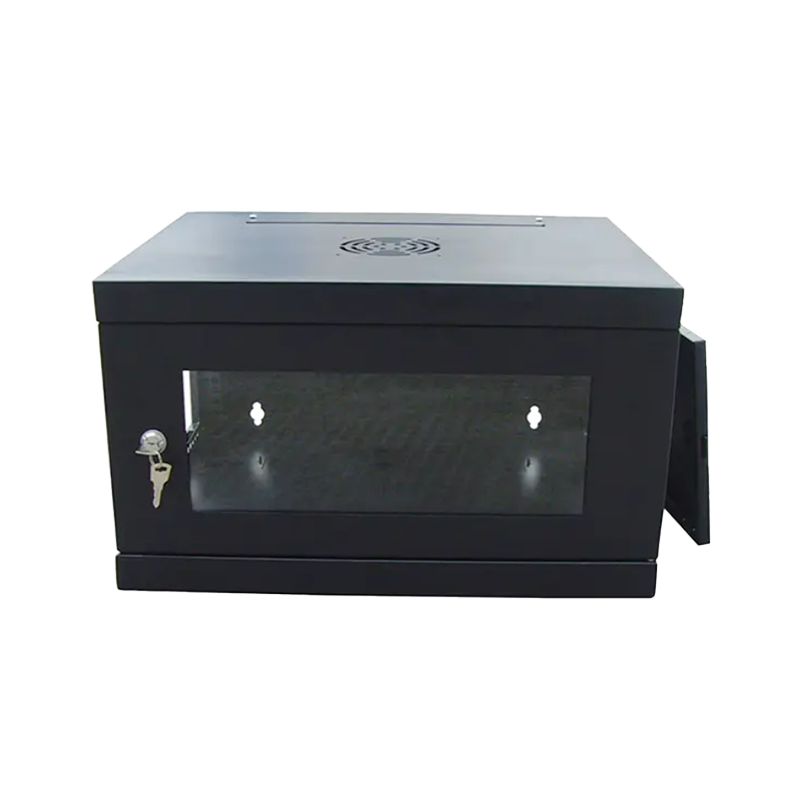

We are a company mainly engaged in the manufacturing of network cabinet , charging cart and other infrastructures.
Product Classification
Address
No.12 Fushan Road,Guanhaiwei Town,Cixi City,Ningbo,Zhejiang,China
PHONE
+86-17857397994

 English
 عربى
عربى
 Español
 русский