English
 عربى
عربى
 Español
 русский

News
Home / News / Industry News / PDU vs Power Strip: What Is the Difference and Which One Should You Choose?
You just populated your first server rack with a switch, a patch panel, and a small UPS. Now you need to plug everything in. The natural reflex is to reach for a power strip—the same one you use for your desk lamp and phone charger. But if you are building a rack for a business, a homelab that stays on 24/7, or any environment where uptime matters, that consumer power strip may be the weakest link in your chain.
Here is the short answer: a PDU (Power Distribution Unit) is a purpose-built power distribution device designed for rack-mount environments, higher loads, and longer continuous operation. A power strip is a low-cost consumer product for light, intermittent use. The right choice depends on your load, your environment, and how much you value monitoring and safety. In most IT racks, a PDU is the correct tool; a power strip only makes sense for temporary or very light setups.
Content
A power strip is simply a block of sockets that plugs into a wall outlet, giving you more places to connect equipment. Most power strips are built for household or office use, with a short cord, a plastic housing, and perhaps a switch or a basic circuit breaker. They are inexpensive, easy to install, and perfectly fine for a lamp, a computer, or a TV.
However, a typical power strip is not designed for continuous high-current loads. The thin copper busbars inside may overheat under sustained load, and the plastic case offers limited fire resistance. Some models include surge protection, but not all do—and the protection components are often basic. For equipment like switches, servers, or routers that run 24/7, a power strip is a compromise you should not make.
A PDU performs the same basic job—splitting one high-current input into several outlets—but it does so at a professional level. PDUs are available in horizontal (1U / 2U) or vertical (zero-U) form factors, designed to mount directly into a network rack. They use metal housings, higher-grade connectors, and thicker internal conductors. Many PDUs include an input circuit breaker, and higher-tier models add metering, remote switching, and environmental monitoring.
Most importantly, PDUs are built to run at high loads continuously. They are rated for industrial and IT environments, with UL / CE certification, and they often support three-phase input for extreme power density. For a server cabinet, the PDU is the backbone of the power chain.
For a well-designed rack, vertical PDUs mount on the rear rails, keeping cables tidy and out of the airflow path. If you are currently planning or upgrading a cabinet, a rack PDU designed for server cabinets is a smart investment.
Our rack PDU series offers horizontal and vertical configurations with rated currents from 16A to 63A, optional surge protection, and a rugged metal housing to match the lifespan of your network infrastructure.
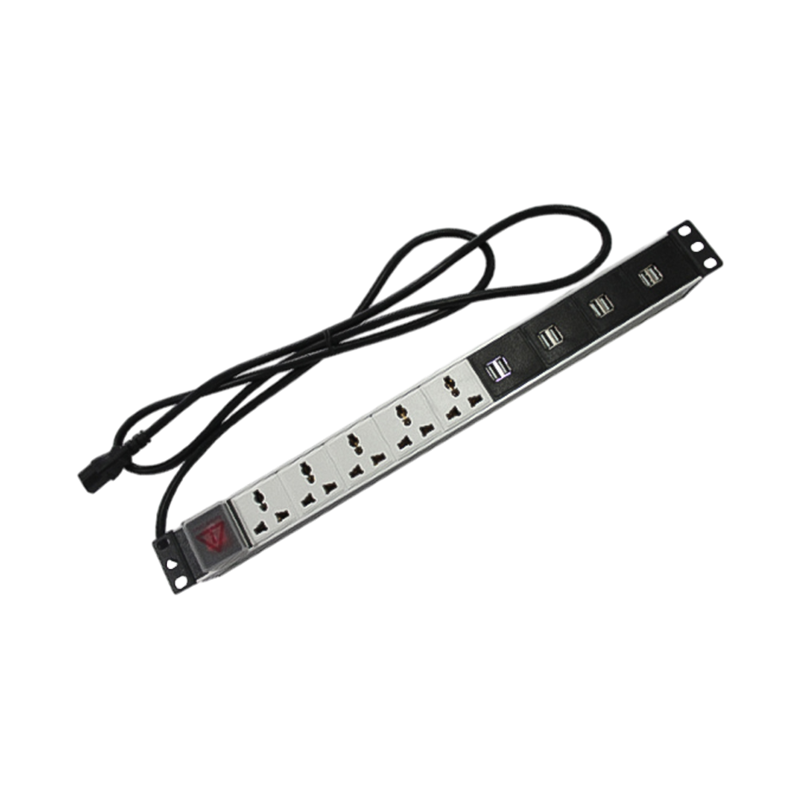 Custom Power Distribution Unit Manufacturers, OEM ODM FactoryCixi Communication Technology Co., Ltd is a China OEM ODM power distribution unit manufacturers andpower distribution unit factory, We sp...View Product →
The table below summarizes the most important differences you need to keep in mind when deciding between the two.
| Aspect | Power Strip | PDU |
|---|---|---|
| Intended environment | Home, office, consumer electronics | Data center, server room, industrial rack |
| Rated current (typical) | 10–15 A | 15–63 A (up to 3-phase) |
| Mounting options | None / free standing | Vertical (zero-U) or horizontal (1U / 2U) in racks |
| Enclosure material | Plastic, sometimes flame-retardant | Steel or aluminum, powder-coated |
| Circuit protection | Optional basic fuse or breaker | Integral circuit breaker, often per-bank |
| Monitoring & management | None | Optional metering, remote switching, alarms |
| Typical price range | $10 – $40 | $80 – $800+ |
The graph below illustrates the rated current difference—the single most critical safety factor when you have high-power equipment.
A basic PDU already handles 33% more current than a typical power strip. The higher-rated versions open up possibilities for load balancing across multiple phases, which is why PDUs are the standard in any serious IT environment.
Another major difference is monitoring. A power strip will never tell you how much power the connected devices are drawing. A metered PDU displays current and voltage, and a switched PDU goes further by letting you reboot a locked-up device remotely. This feature alone can save you hours of physical travel to a remote site.
Use a power strip only in these limited cases:
Choose a PDU for any of these scenarios:
If you are still on the fence, consider the cost of downtime. A cheap power strip can be the source of intermittent resets, data corruption, or even a fire hazard. A PDU is a one-time purchase that gives you reliability, monitoring, and safety for the lifetime of your rack. When you also factor in the ability to integrate with a UPS, a PDU makes the power path complete—see how PDUs work with UPS systems to understand the synergy.
Also, think about space. A vertical PDU mounts on the rear zero-U rail, consuming no horizontal unit (U) space. You can install it on either side of the rack, while a power strip would lie on top of equipment or hang loosely, obstructing airflow and making maintenance messy.
PDU stands for Power Distribution Unit. It is a device designed to distribute electric power to multiple devices, especially in server racks and data centers.
Yes. Many homelab enthusiasts use a basic PDU in their racks because it provides more robust power handling than a power strip and sometimes includes breaker protection.
Not always. Basic and metered PDUs often lack surge protection. If you need surge suppression, look for a PDU explicitly labeled "surge protected" or add a separate surge protector upstream.
No. A PDU only distributes power; it does not generate backup power. You must pair a PDU with a UPS to ensure uptime during an outage.
Because PDUs use higher-gauge conductors, metal housings, circuit breakers, and optional smart features like metering and remote management. Materials and certifications cost more.
A switched PDU allows you to remotely turn each outlet on or off. This is useful for rebooting hung devices or scheduling power cycles without being physically present.
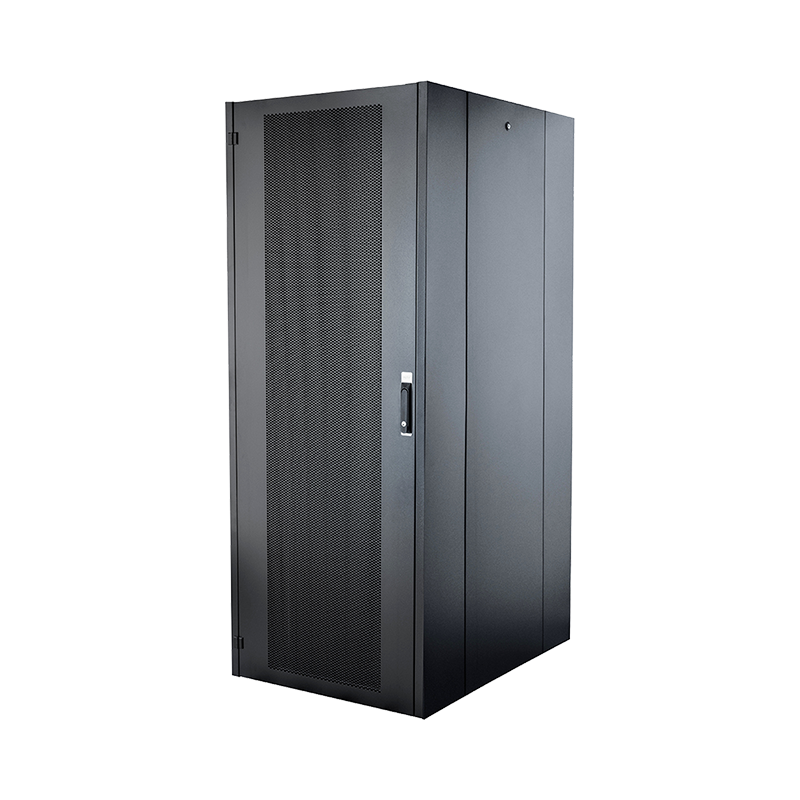
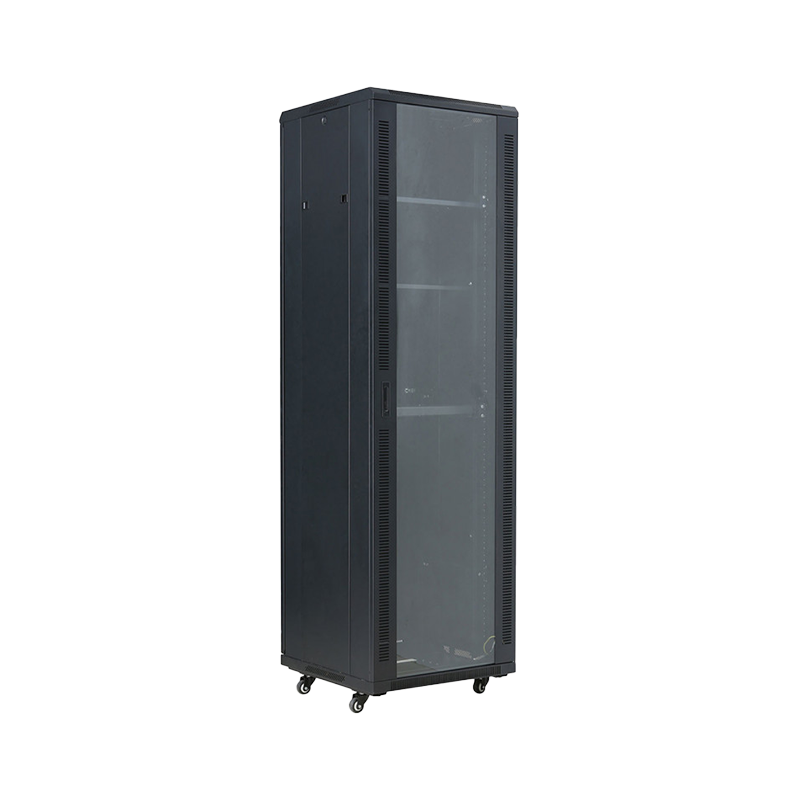
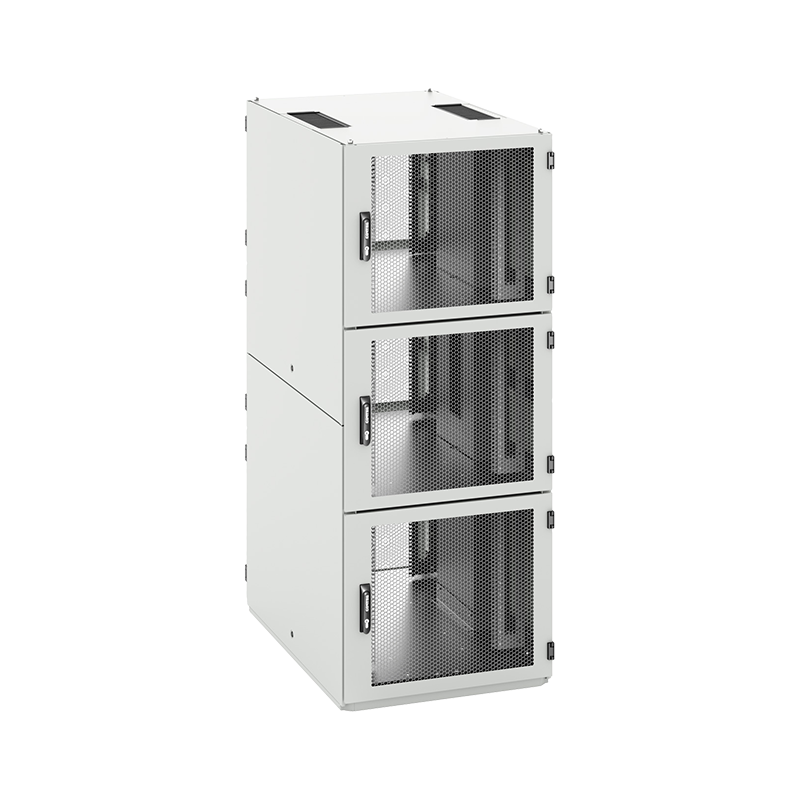
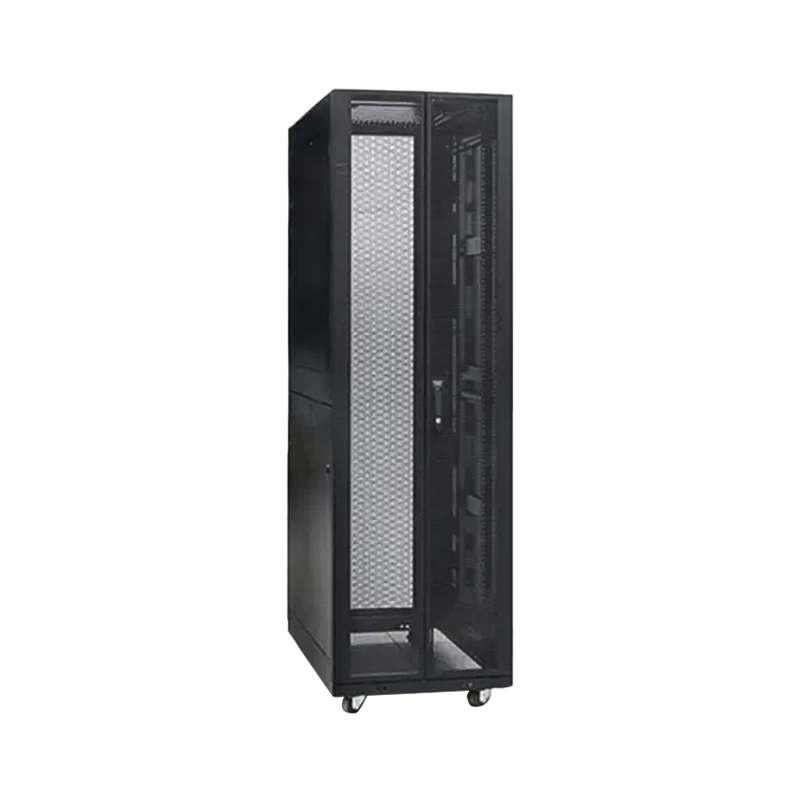
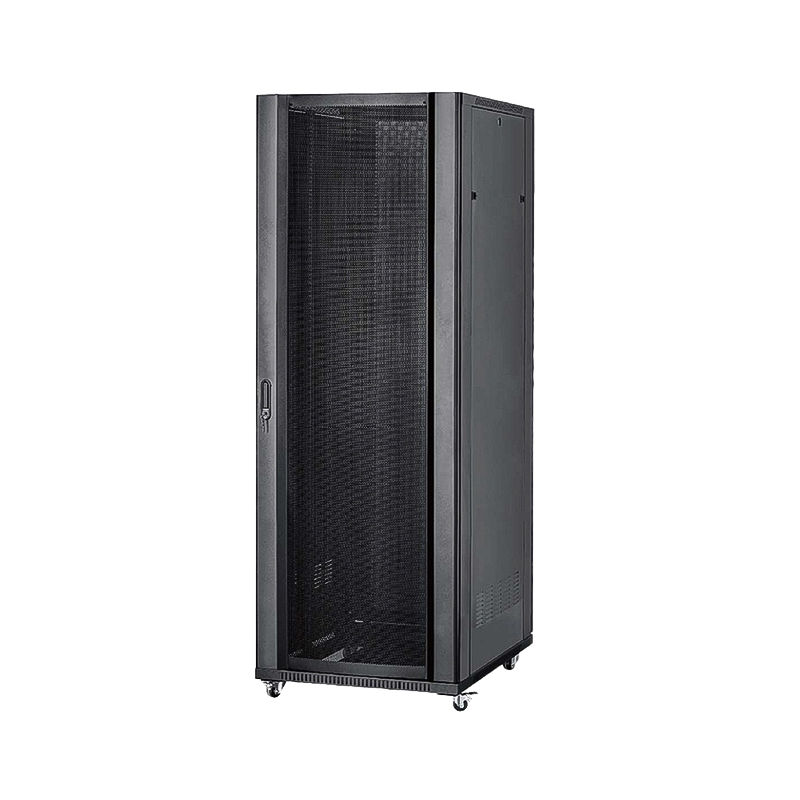
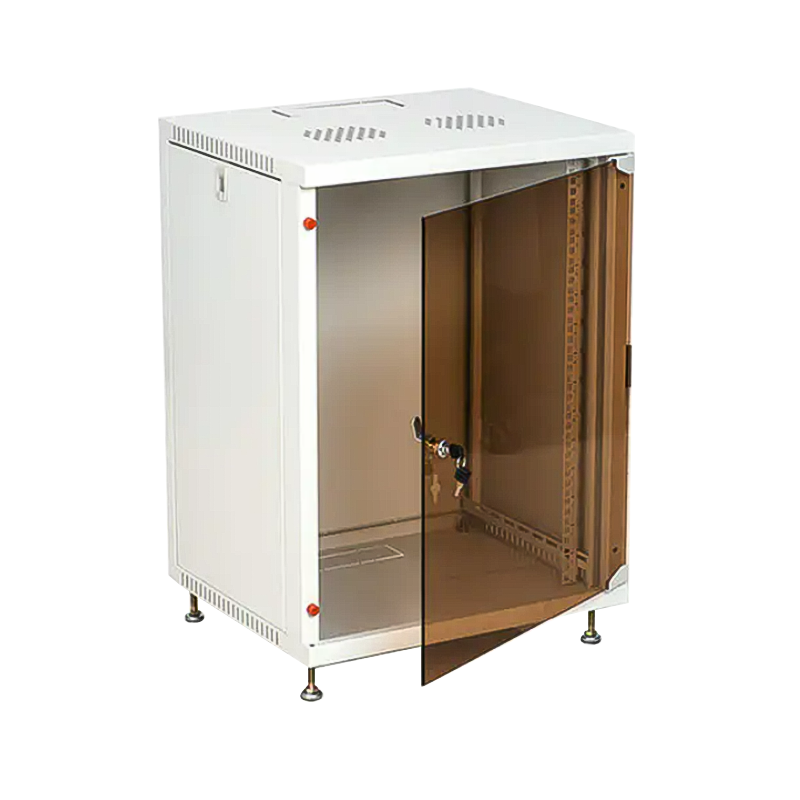
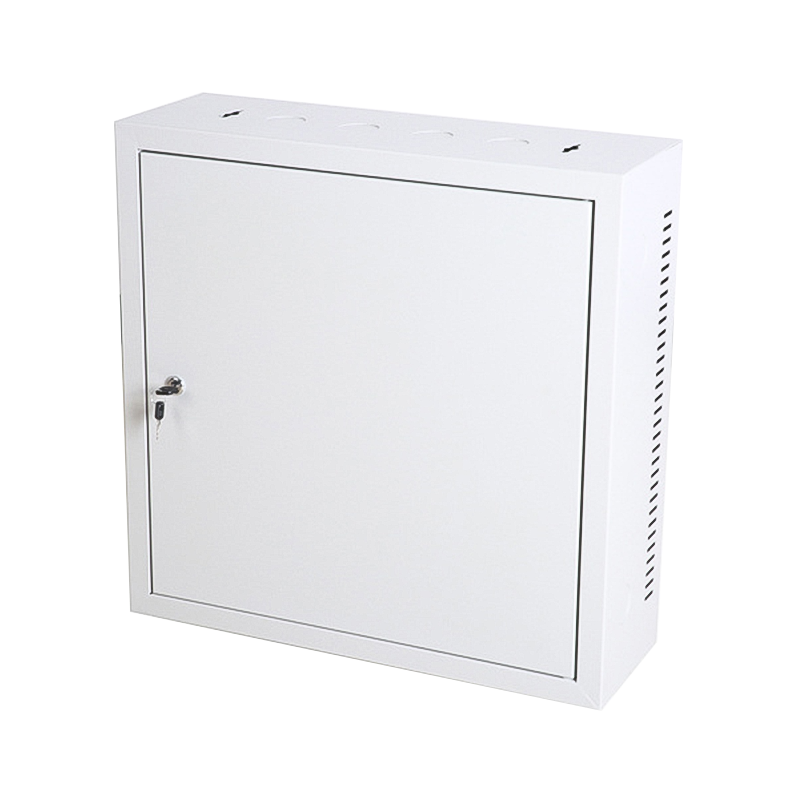


We are a company mainly engaged in the manufacturing of network cabinet , charging cart and other infrastructures.
Product Classification
Address
No.12 Fushan Road,Guanhaiwei Town,Cixi City,Ningbo,Zhejiang,China
PHONE
+86-17857397994