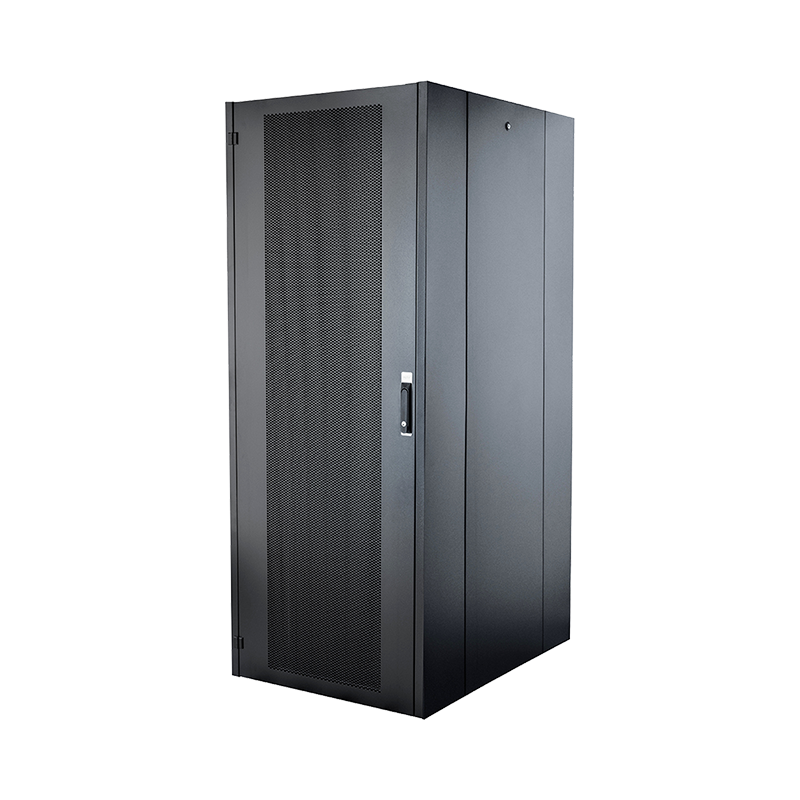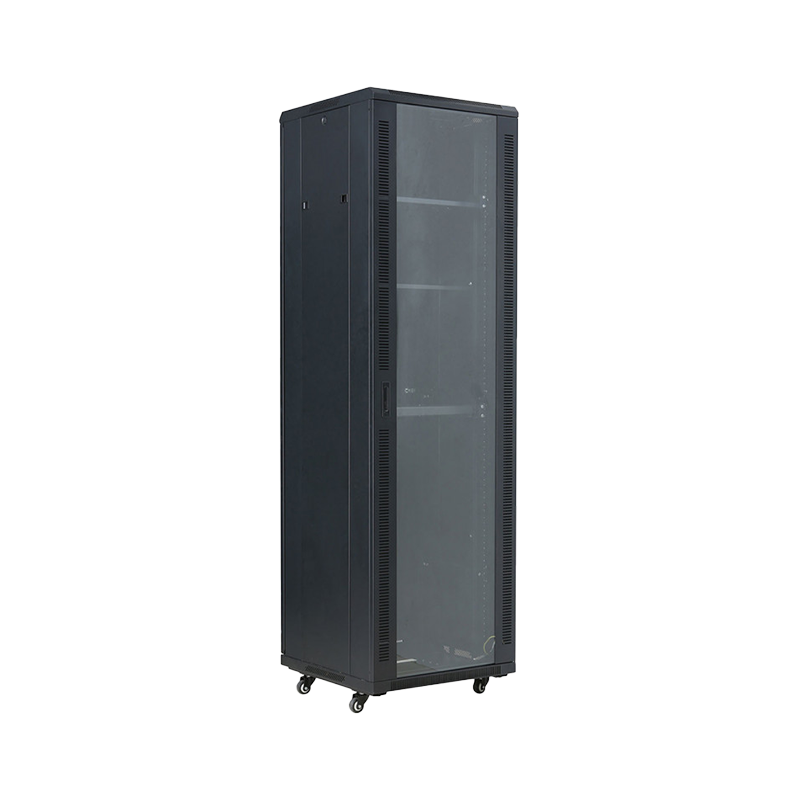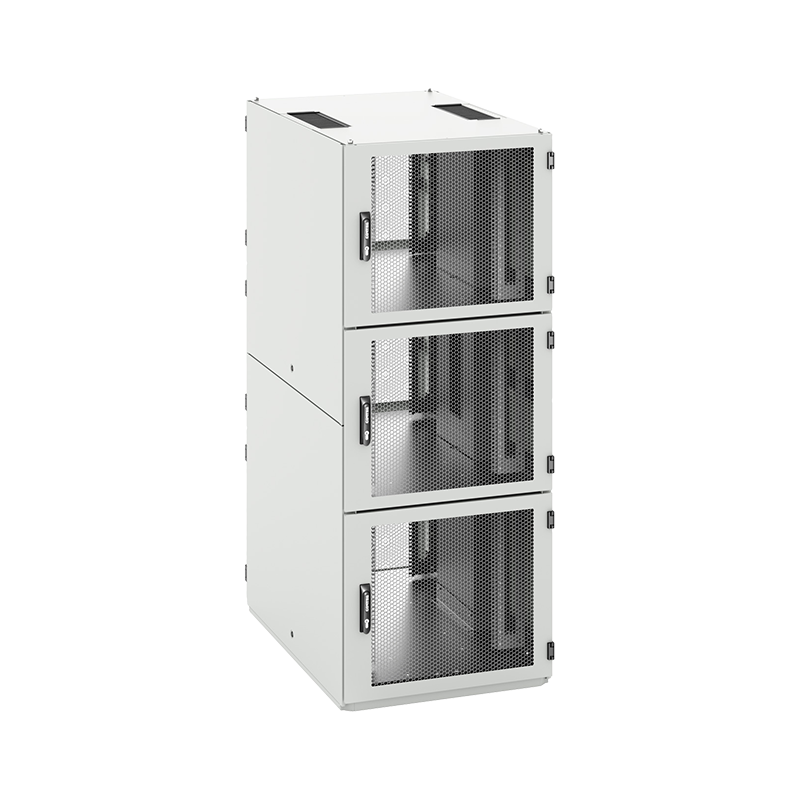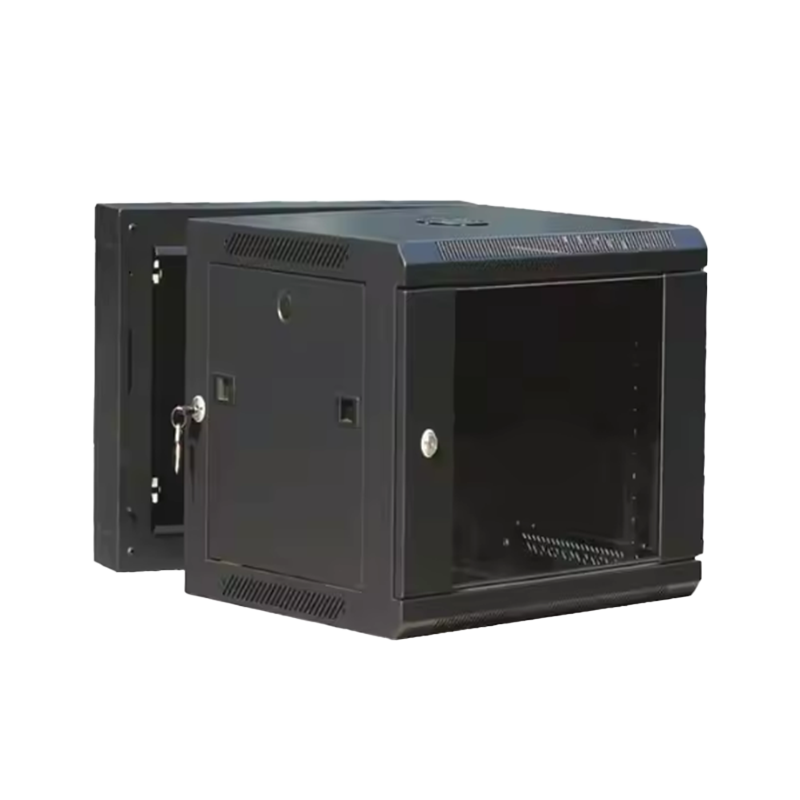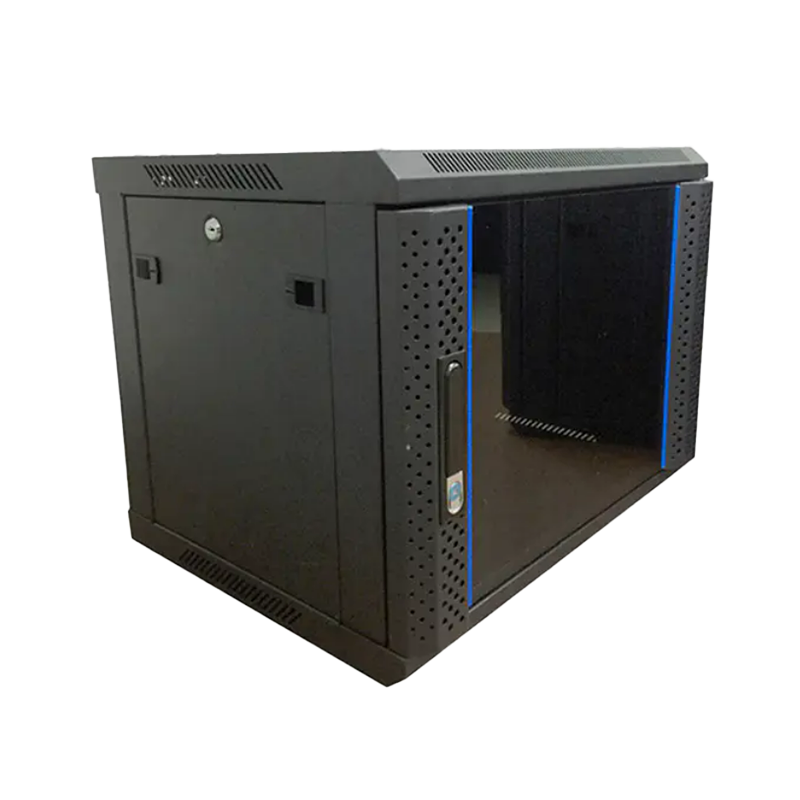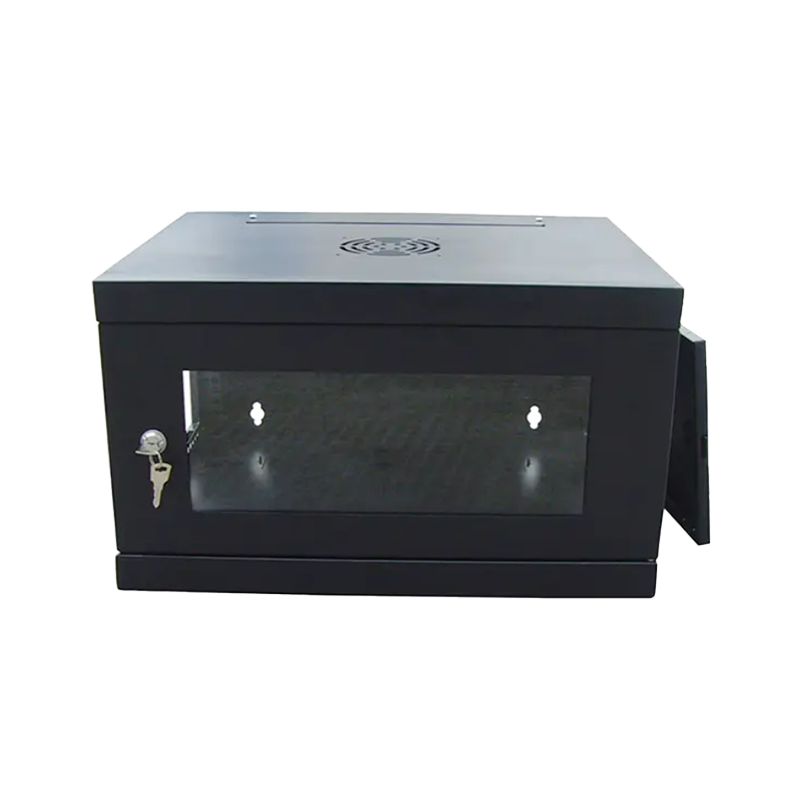
Usage: Network cabinet accessories
Certification: CE, RoHS, GS
Material: Cold rolled steel
Trademark: TNE, OEM, ODM
Specification: CE, RoHS
HS Code:8517709000
Condition: New
Logo: Silk Print, Aluminum Sticker, Rubber Sticker
Shipping: Sea, Air, Train, Truck
Certificate: Ce.RoHS
Transport Package: Carton
Origin: Ningbo ChinaFeatures
1) Keep the un-used "U" occupied
2) Allows for more focused airflow introduction through active equipment
3) Dustproof in some way
4) Materials: SPCC cold rolled steel
5) Surface: powder coating
6) Color:RAL7035(grey);RAL9005(Black);
7) Customized: Screwed type
Spec sheets for network cabinets and electrical enclosures often list a NEMA rating such as "NEMA 4X" or "NEMA 12." These two letters and a number may look insignificant, but they can make the differ...
READ MOREAt 2 a.m., a branch office phone system goes down. The server room is locked, and the only fix is rebooting a switch that has stopped responding. With a switched PDU, that reboot takes less than a mi...
READ MOREEvery desk setup eventually ends up with the same problem: the power strip sliding around on the floor, several sockets blocked by adapter bricks, and a cable snagged by the first person who walks pa...
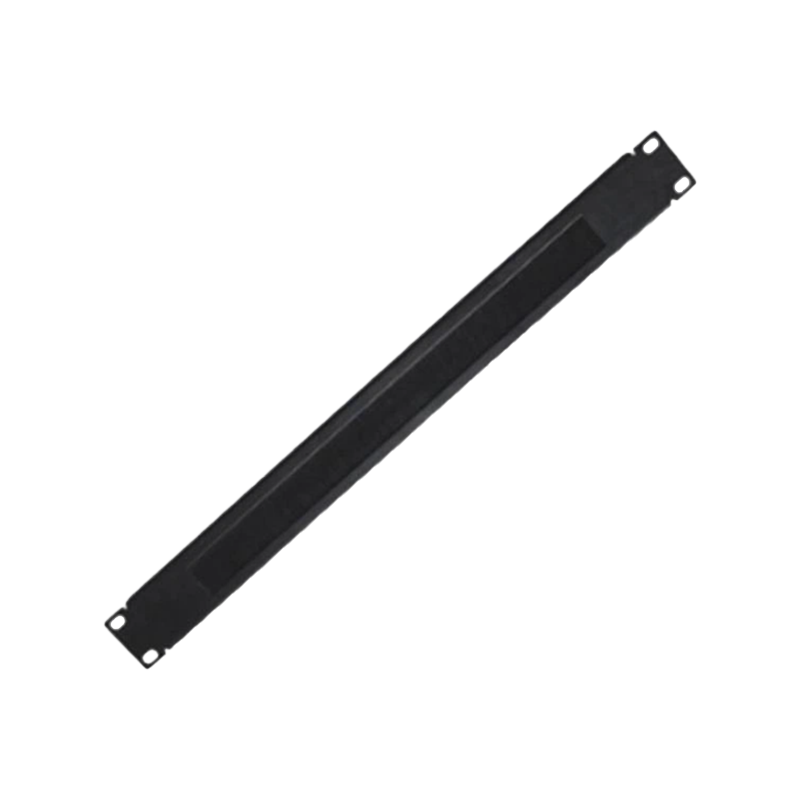
READ MORE19" Installed panel for cabinet with brush How to introduce more concentrated airflow through active devices to improve the cooling efficiency of the network cabinet?
19" Installed panel for cabinet with brush In the network cabinet, through specific design and configuration, it is possible to effectively use active devices to introduce more concentrated airflow to improve the cooling efficiency of the network cabinet. The brushes on this cabinet panel are an innovative ventilation design that can block large dust particles from entering the cabinet to a certain extent while allowing air to circulate. The gaps between the brushes can be carefully designed to ensure dust protection without hindering the smooth passage of airflow. The panel may have special openings or vents, and the layout and size of these holes are optimized to ensure that the airflow can pass evenly and concentratedly, directly acting on the active devices in the cabinet.
In the network cabinet, active devices such as fans or heat sinks are usually configured to actively dissipate heat. The cabinet panel is designed to work in conjunction with these devices, and through the precise location and size of the openings, the airflow is directed to the components that need to be cooled, such as servers, switches, etc. The design on the panel may include airflow guiding structures, such as air ducts or air guides, which can effectively guide the airflow from the fan or the external environment to the key heat dissipation area in the cabinet, forming a concentrated and efficient airflow circulation.
By optimizing the design of the panel's vents and coordinating with devices such as fans, the airflow velocity inside the cabinet can be increased, allowing heat to be removed faster. The brush design and other ventilation structures on the panel should minimize the resistance to the airflow to ensure that the airflow can pass smoothly, thereby improving the heat dissipation efficiency. Through the design of the panel, the airflow can be concentrated and guided to the heat-generating areas in the cabinet, such as the processor, power supply and other parts of the equipment, to achieve more precise heat dissipation.
When designing the cabinet panel, it is necessary to comprehensively consider the needs of dust prevention and heat dissipation to ensure that while introducing concentrated airflow, there will be no excessive dust accumulation inside the cabinet due to improper dust prevention measures. In order to ensure the ventilation effect and dust prevention performance of the cabinet panel, it is necessary to regularly inspect and maintain it, such as cleaning the dust on the brush and checking whether the vents are blocked.
The 19-inch mounted cabinet panel (with brush) can effectively introduce more concentrated airflow and improve the heat dissipation efficiency of the network cabinet through its unique design and synergy with active equipment. This design ensures the cleanliness of the interior of the cabinet while ensuring the stable operation and long life of the equipment.

We are a company mainly engaged in the manufacturing of network cabinet , charging cart and other infrastructures.
Product Classification
Address
No.12 Fushan Road,Guanhaiwei Town,Cixi City,Ningbo,Zhejiang,China
PHONE
+86-17857397994

 English
 عربى
عربى
 Español
 русский